

“Beware of a hot autumn”, said Onno Seroo, Director of the International Relations Degree Programme at Blanquerna – Ramon Lull University, in the first faculty meeting of 2019-2020. He was referring to the likelihood of “strikes and protests” following the Spanish Supreme Court decision on the jailed leaders of the Catalan independentist movement.
And hot it was! As soon as the news of the final verdict which sentenced nine Catalan politicians and activists to between 9 and 13 years of prison on charges of sedition and misuse of public funds hit the headlines, hundreds of thousands of protesters poured onto the sun-drenched streets of Barcelona, waving the estelada, the lone star flag of Catalan independence, and shouting “Llibertat presos polítics!” (Free political prisoners). It didn’t take long for peaceful protests to degenerate into violent clashes with the police, leaving behind hundreds of people and some 300 police officers injured, including four people who lost their eyes from the impact of rubber bullets, more than 1000 trash containers torched, and a deeply fractured society.
How did a country, often held up as a success story of multiculturalism, fall prey to such metastatic nationalism on both sides?
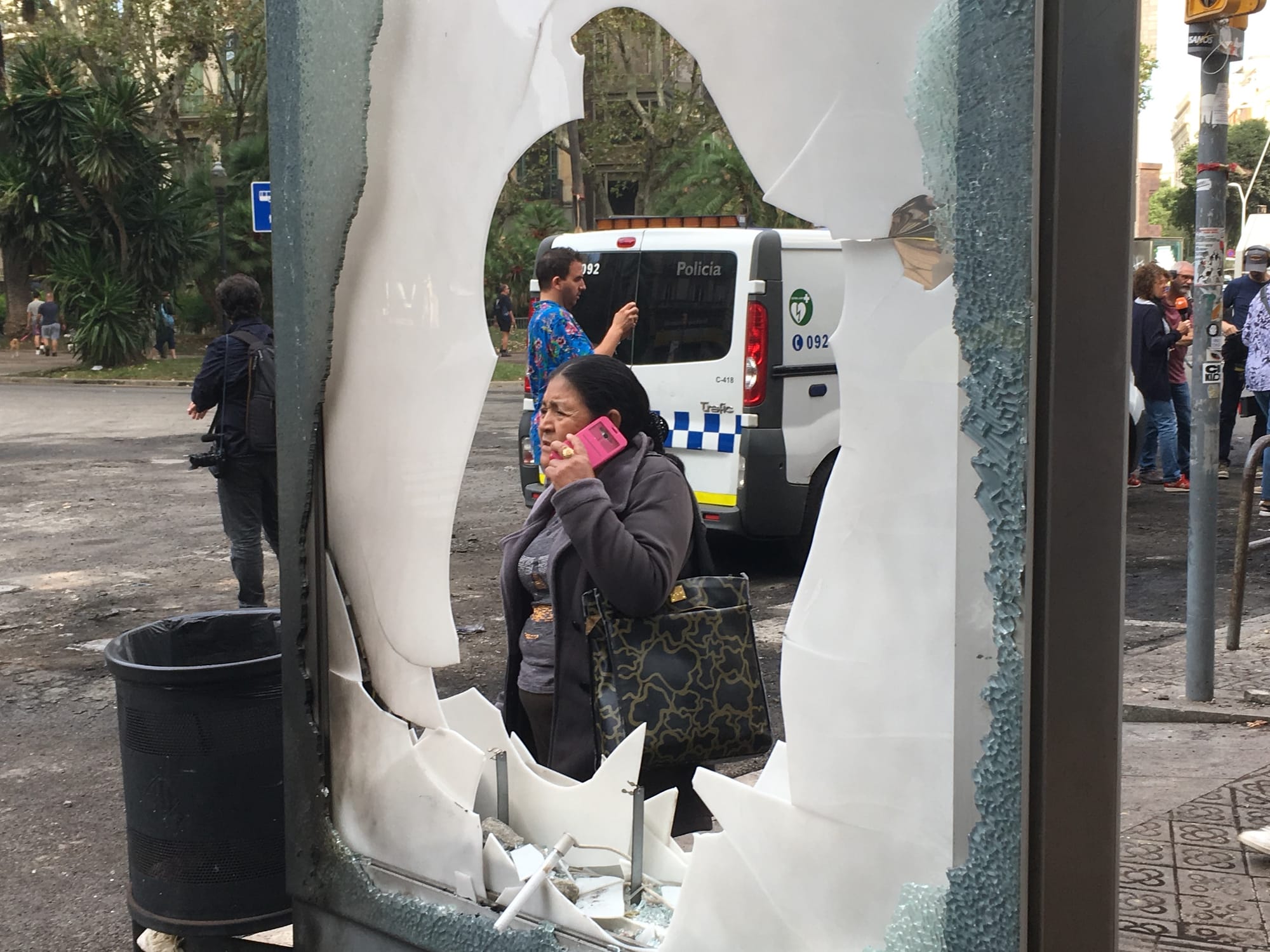
This was a far cry from my Barcelona, the city that I fell in love with back in the early 2000s. Surely, something had changed. Something that had transformed this laid-back, convivial city into a hotbed of frustration, anger and mutual loathing. But what was it? How did a city, in fact a country, often held up as a success story of multiculturalism, fall prey to such metastatic nationalism on both sides?
