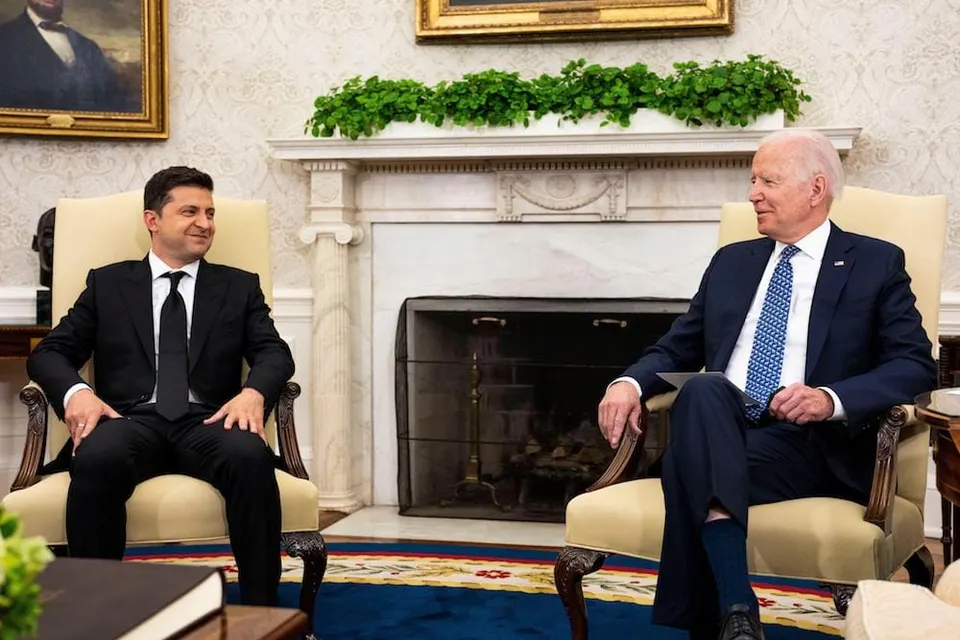
CEP gathers

Anthony Barnett (London, OK): I am at the annual conference of the Campaign for an English Parliament gathered in Conway Hall in London. There are less people than I expected, around a hundred and fifty- but it is at last a beautiful spring day. We are just listening at the moment to canon Kenyon Wright who was a key player in the Scottish convention that led to its parliament. You won't succeed if you try to build your case on "grievances" he warns it has to be done on constitutional principles. He noted that Scotland is not hostile to the EU as the previous speaker showed the hall down here most certainly is. Simon Lee spoke earlier and I'll blog about what he said later. Over and above the hall is the ethical principle held by the Conway Hall society: "To thine own self be true".

This article is published by , and openDemocracy.net under a Creative Commons licence. You may republish it without needing further permission, with attribution for non-commercial purposes following these guidelines. These rules apply to one-off or infrequent use. For all re-print, syndication and educational use please see read our republishing guidelines or contact us. Some articles on this site are published under different terms. No images on the site or in articles may be re-used without permission unless specifically licensed under Creative Commons.

Comments

Ray Bell (not verified)
28 April 2008 - 9:47am

"Nationalism is the politics of grievance."

It can be sometimes, but it can also be the politics of potential.

charliemarks (not verified)
26 April 2008 - 11:06pm

Erm, didn't the SNP used to be anti-EU? Back in the days when it was passing itself off as an Economic Community?

And being supportive of EU membership - which the SNP undoubtedly are - does not mean accepting greater integration...

Thomas (not verified)
26 April 2008 - 8:02pm

I am very interested to know what conclusions were drawn from this meeting.

Terry Heath (not verified)
27 April 2008 - 7:02am

"...Scotland is not hostile to the EU as the previous speaker showed the hall down here most certainly is"

I was in the audience, I'm a member of the CEP and favour the EU.

As the chair pointed out at the beginning, the CEP is a single issue pressure group. It has one opinion, namely the English deserve a Parliament like Scotland. Anything else was personal expression.

I was struck by what a broad church supported the concept of an EP. For example, the Canon that you mentioned and the fact a Lib Dem MP stood in when a Labour MP couldn't make it (get well soon Frank, you're one of too few MPs that are true Parliamentarians).

Toque (not verified)
27 April 2008 - 12:12pm

Clearly people in the hall were opposed to the EU, but that does not invalidate the claim that they make for England. Much of the hostility to the EU comes from the fact that most English nationalists - with good reason - believe that EU inspired regionalisation is a threat to the integrity of England. Scotland doesn't have to worry about that because it obtained devolution as a nation.

I don't think Scots are particularly pro-EU, but they are certainly less hostile. The pro-EU attitude of the SNP is a much a flag of convenience as anything else. They are pro one union and anti the other.

Ray Bell (not verified)
27 April 2008 - 1:34pm

Support for the EU is completely different from support for Scottish independence. Plenty support one, but not the other.

The problem with criticism of the EU in the British press is that it's often xenophobic. I think it is wrong to criticise the French, Germans, and Belgians etc etc for being foreigners trying to take over... perhaps a more honest criticism is that ordinary French, Germans, Wallons and Flemings suffer from exactly the same EU problems that people in the UK do. Instead of the tabloids using WWII imagery, and complaining about Johnny Foreigner, they should be criticising the institutions, the suited fat cats, the lack of democracy, the lack of time in such a large institution etc. This can be done without silly myths about straight bananas and cubic melons.

The Germans aren't all quite as Europhile as we're led to believe.

Simon (not verified)
27 April 2008 - 4:28pm

You won’t succeed if you try to build your case on “grievances” he warns it has to be done on constitutional principles.

In that case I'm afraid the good Canon is wrong. The Scottish nationalist movement was built entirely on "grievances" and the blame for Scotland's problems was laid at the door of the English and still is to an extent, even with a Scottish-dominated government at Westminster and an autonomous parliament in Edinburgh.

As for constitutional principles, exactly what would they be? It ought to be unconstitutional and it's certainly unprincipled to deny people cancer treatment simply because they have an English postcode, or to provide them with an inferior education or social services to people in other parts of the UK. It's surely unconstitutional and unprincipled to refuse the English the same rights that have been given to the Scots and Welsh.

No, I'm afraid the English won't get anything at all from Broon and Co unless they highlight their genuine grievances in a peaceful manner, just as the Scots did. And if that offends some people north of the border who are used to posing as victims and refuse see the injustice of the present situation, too bad.

Ray Bell (not verified)
27 April 2008 - 8:26pm

"The Scottish nationalist movement was built entirely on “grievances” and the blame for Scotland’s problems was laid at the door of the English and still is to an extent, even with a Scottish-dominated government at Westminster and an autonomous parliament in Edinburgh."

Or so the unionist cliche goes.

Scotland's real problem has been with the likes of Gordon Brown, Jack McConnell, Wendy Alexander, Michael Forsyth, Gladstone, Ramsay MacDonald, who never did enough for their home country.

As one of the mid 20th century Scottish nationalists, RB Cunningham Grahame said (my emphases), "Our real enemies ARE NOT the English... but those of us without imagination." That is the quote, more or less (from memory. I would suggest that the biggest threat to Scotland still consists of unimaginative careerist/opportunist Scots such as Gordon Brown.

"It’s surely unconstitutional and unprincipled to refuse the English the same rights that have been given to the Scots and Welsh."

What was that you were saying about not succeeding by building on grievances?

The Scots and the Welsh voted for these things. They didn't refuse the English them. Let's get that straight. England's parliament at Westminster refused the English them.

28 April 2008 - 7:05am

Nationalism is the politics of grievance.

The future may not be built on grievance, but the motivation for change most certainly will be.

Part of the job of nationalists, in the absence of any motivation for positive change from the political establshment, is to whip up grievance.

I make no apology for it. As I have said before on this blog the fastest way to change things is to undermine the Status Quo. They won't change by themselves, they need to to feel the ground slipping away from beneath them.

Robert (not verified)
28 April 2008 - 5:22pm

"Nationalism is the politics of grievance.”

I agree with Gareth, nationlism like other political ideologies, is indeed the politics of grievance.

Of course, it should be directed at the right target: politicians (not at the different peoples of England and Scotland).

Politicians have the power to change things if they want, and they have responsibility to their electorates to do so.

If they don't, then they should face the consequences of having the status quo undermined.

Simon (not verified)
28 April 2008 - 7:08pm

"England’s parliament at Westminster refused the English them."

Right - so you'd have no objection if Scottish and Welsh MPs were deprived of the right to vote on England-only issues at Wesminster? Like foundation hospitals and top-up fees?

29 April 2008 - 10:53am

How exactly does tribalising the UK help address the injustices talked about?

You are asking that question ten years to late. Devolution has happened. It's irreversible. Move on.

Robert (not verified)
29 April 2008 - 6:07am

"Right - so you’d have no objection if Scottish and Welsh MPs were deprived of the right to vote on England-only issues at Wesminster? Like foundation hospitals and top-up fees?"

I don't think it would make much difference, 529 English MPs hold the majority in the British Parliament. Isn't this similar to the Conservative plan of English votes for English matters. It won't work.

An English Parliament seems better.

Phill (not verified)
29 April 2008 - 10:31am

How exactly does tribalising the UK help address the injustices talked about ( health and education )? if it's equality of services people are asking for, then it's not a Parliament of Small Interests they need, but a unitary one. The injustices in the system exist because of the separate parliaments only.

Ray Bell (not verified)
1 May 2008 - 7:01pm

"Right - so you’d have no objection if Scottish and Welsh MPs were deprived of the right to vote on England-only issues at Wesminster? Like foundation hospitals and top-up fees?"

Why would I? I support Scottish and Welsh independence, not the failed Union.

Post new comment

  • Allowed HTML tags: <p> <h2> <h3> <div> <span> <blockquote> <!--break--> <a> <em> <strong> <cite> <code> <ul> <ol> <li> <dl> <dt> <dd> <hr> <br> <table> <td> <tr> <img> <map>
  • You may quote other posts using [quote] tags.

More information about formatting options