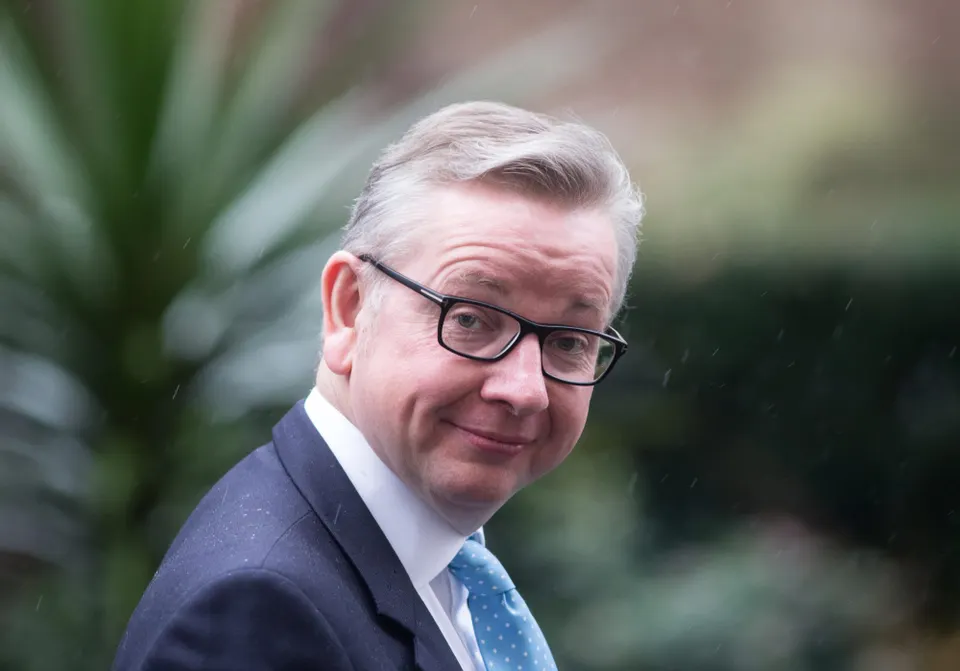
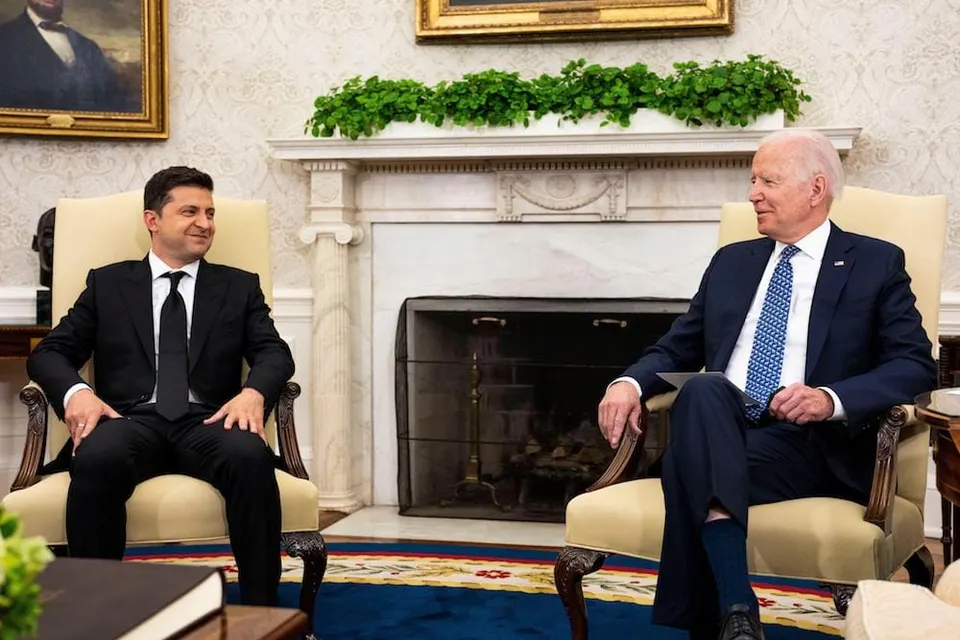
Anthony Barnett (London, OK): Good. As the battle for the Lib-Dem leadership between Nick Clegg and Chris Huhne enters the final round, with ballot papers now going out and the result announced in the 17th, the need to address the system itself moves to centre stage.
Not on Newsnight, of course, where last night Jeremy Paxman, who seems to loathe questions about how we are ruled (is he part of the problem?) failed to probe what the future of the Lib Dems might be, insisting instead that his questioning of the two candidates was "a game".
As I've blogged before, both candidates want to go full throttle on the constitution but seem to fear that it will turn the public off. (I am told this is the dire influence of 'Lord' Rennard.) Anyway, Chris Huhne opens his election manifesto with a call to 'Change the system, not just the government' and its opens words are,
Britain's political system is broken. First past the post elections entrench a confrontational style of politics in which the Labour and Conservative parties compete for the votes of 800,000 swing voters in marginal constituencies dominated by the concerns of Middle England.
Nick Clegg has not issued a formal manifesto but in today's Independent he lays out a refreshing case, his opening words,
Our political system is broken. Go to the Houses of Parliament and you'll see what I mean. Far from being the "mother of all parliaments" as the official tour guides will tell you, it is fast becoming a museum piece – a 19th-century home for our 21st-century political elite.
More significant he then goes on to insist on the need for,
a wholesale commitment to constitutional reform. A written constitution. A fully elected House of Lords. Fewer MPs. And, crucially, electoral reform.
It is not that there is disagreement between the two. If Clegg wins, as seems likely, he would do well to ask Huhne to lead as spokesman on the constitutional problem, cutting across the way its issues have been dispersed across the Ministry of Justice, the Home Office and No 10, and dealing with both Britishness and civil liberties. Or, of course, it could be the other way round. What is shifting is that they are both starting to see that a full-bloodied call for a popular constitutional convention on how Britain is run can appeal to voters not turn them off.