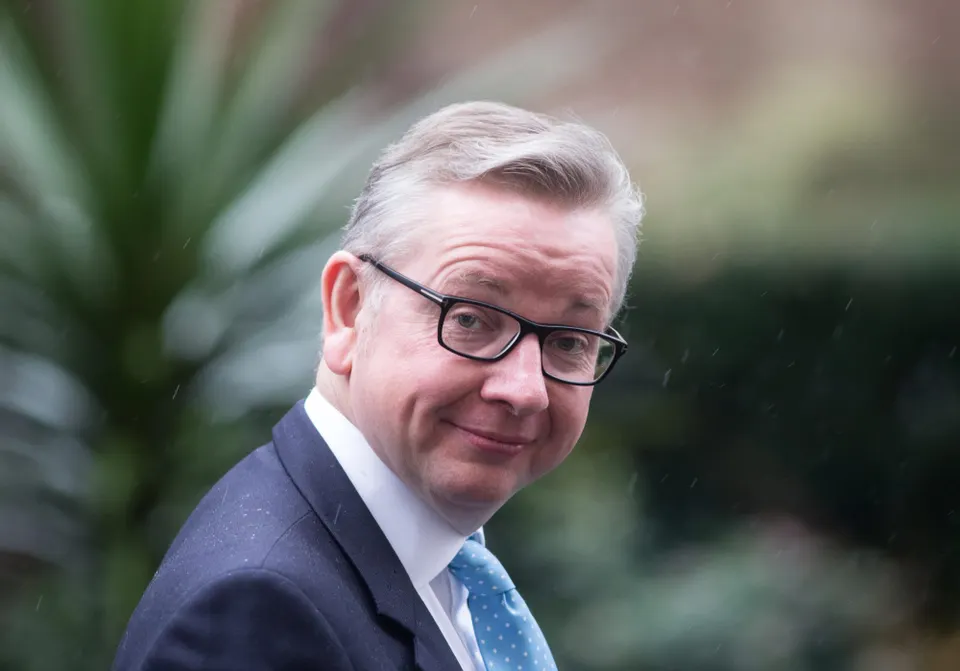
Andrew Blick (London, Democratic Audit): Those who advocate restricted voting rights for Scottish MPs have undoubtedly uncovered a problematic anomaly with the UK constitution. But the UK constitution is a collection of anomalies and the proposed solution will create more of them.There are many technical difficulties with the idea, but here are some of the more fundamental objections. The focus on Scotland distracts from important questions about the Northern Irish, Welsh and even London devolved governments. MPs are not merely representatives of geographical areas, they deliberate on behalf of the population of the UK as a whole. Decisions that involve spending money are of interest to all MPs since taxes are raised centrally.
Many of the problems of the "English votes for English laws" idea arise from the population imbalance in the UK. The far greater size of England than any other member of the Union means safeguards against its dominance are needed (if the Union is to continue). Even if their territorial application is technically only to England and Wales, measures can have great impact upon Scotland. The SNP realise this latter fact. Though having a policy of not voting on English-only legislation, the party has made exceptions, over foundation hospitals and higher education, on the grounds that there were substantial implications for Scotland. Even Tam Dalyell was unable to adhere to the logic of his "West Lothian question" when he voted on the Higher Education Bill.
For all these reasons and others I doubt whether the Conservatives will come up with an acceptable way of implementing a superficially attractive proposal. Many have tried, as far back as Gladstone in 1893, and failed.