Grace Davies (London, oD): Always a hotly contested issue, immigration has been back in the headlines recently with a neat media tie-in on the 40th anniversary of Enoch Powell's infamous "rivers of blood" speech. This prompted a 3-part documentary series "Immigration: the inconvenient truth" produced by C4's Dispatches strand, the final part of which aired on Monday. Presented by Rageh Omaar, himself a native of Somalia who settled in Britain with his parents as a child, this investigation of modern immigration took as its (unhelpful) starting point the question: "Was Enoch Powell right?"
I confess I did not catch all three programmes - indeed I try to avoid some of the more obviously controversial subjects which Dispatches covers with its tried and tested "shock-and-awe" tactics - but finding nothing else on on a rainy Monday night I tuned in...
This series finale marched firmly down the globalisation road. Omaar argues that discussing immigration in terms of race and colour is just not relevant today, that we are living in a reality that Powell could never have foreseen in terms of ease of movement, and one in which the primary motivation for coming to Britain is cold hard cash.
The Battle Inn, Reading, is now known as...
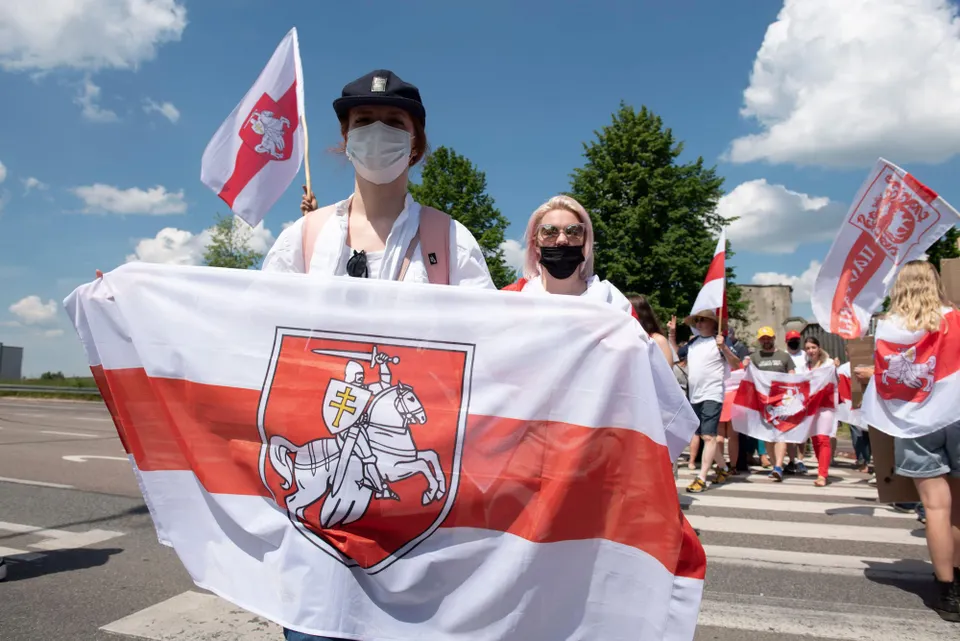
He cites the example of a Reading pub - which formerly claimed to be the "Best Irish Pub in Town" but presently wears an enormous red and white "Polski Pub" banner - as encapsulating the nature of modern immigration. Ireland's economic migrants have now returned (or have stopped coming), preferring the power of the celtic tiger, to be replaced by the next generation.
...the Gospoda (though they've kept the same Guinness sign)
And this new generation is proving more transitory than the last (perhaps bad news for the Gospoda); many Poles, encouraged by a booming economy, a strengthened Zloty and a massive government ad campaign, are also returning home. At the same time, the next wave of "global commuters" are beginning to arrive - from Bulgaria, Romania, and other eastern European countries. Immigration of this type will be relentless, says Omaar, and Britons need to keep up or lose out.
But what about culture? It is certainly time for an open discussion of immigration, and of provision for refugees and asylum seekers, but a growing trend seems to be to frame the debate only in terms of economics - evidenced by the reaction to the recent Lords committee report on the apparent lack of economic benefit migrants have brought to the UK. Many of the realities of immigration are economic, but many are not, and it is not helpful to hide them behind such a smokescreen.
Omaar's economic vision of the future of Britain is bound up in this pub - constantly changing its flag to suit the next wave of immigration - at the mercy of European exchange rates. A sharp drop in the Zloty and the Gospoda's future is assured - but if the rise continues, it may soon be draped in Romanian colours instead. No bad thing in and of itself. But the question for Omaar is, to frame it in his economic terms: can this type of fluidity - cultural uncertainty, perhaps - be achieved cost free?