

Schools and universities closed, the internet switched off in the whole country, thousands arrested and hundreds of people killed. Hidden from the world, a massive bloodbath created and cleansed in one week.
Fuel to the fire
Right at midnight, on November 14, Iranians learned petrol was rationed and the “free rate” had just increased by 200%. It was a Friday, a day off in Iran. The surprise midnight announcement was probably aimed at minimising dissent over the weekend, making it manageable for the security forces. Nevertheless, some scattered protests started here and there. With the start of the workweek, spontaneous protests erupted in many big cities and small towns. Thousands of drivers turned their engines off in the middle of the roads. Some trucks dumped their load of cement or dirt on the street. In Isfahan, there was an impromptu picnic on the highway. To rub salt on the wounds it also snowed heavily in Tehran, and a thick white blanket, apocalyptic for mid November, lay on the ground. In a few hours the streets of the Iranian capital and most of the other major cities were completely blocked.
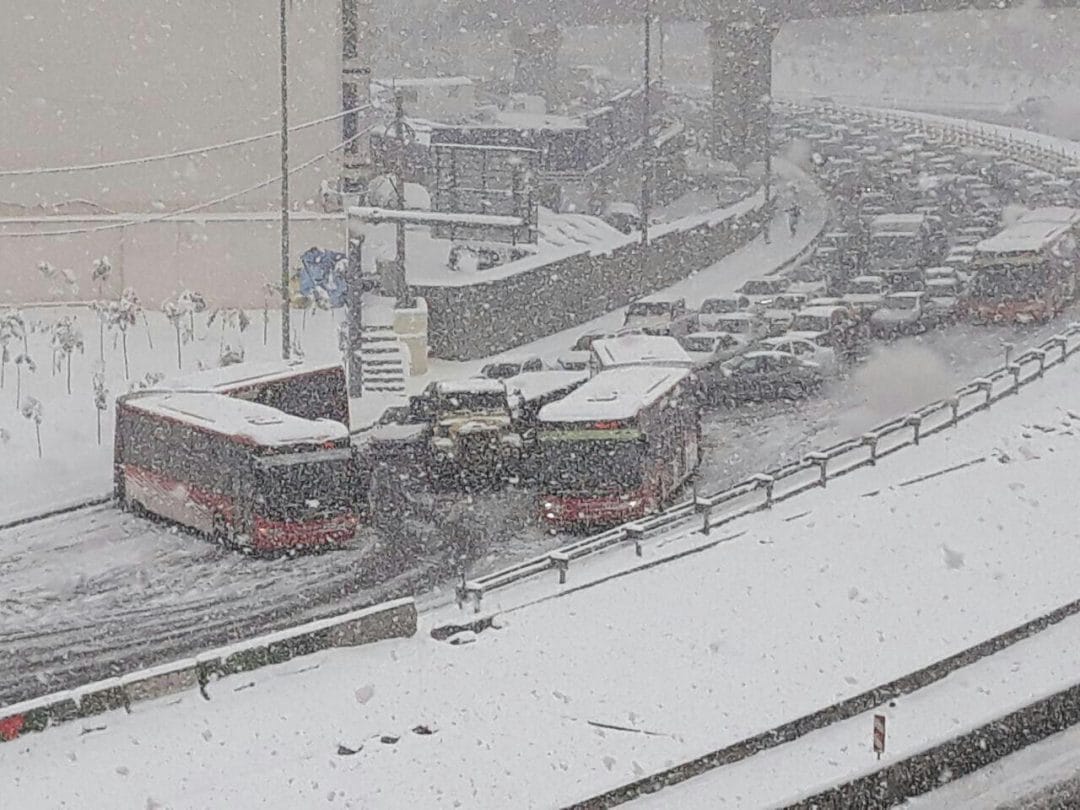
But it was not just civil disobedience. With over a decade of continuously falling living standards, popular anger is at an all-time high, higher than the 2009 Green Movement, or the similar wave of protests in the winter of 2018. Hundreds of petrol stations, banks, and government buildings were set ablaze. This was particularly the case in poorer suburbs of Tehran, regions with significant Kurdish or Arab populations, and smaller marginalised towns across the country. Security forces were prepared for a brutal response. Expected measures were teargas, breaking car windows, beating up demonstrators, or forcing shopkeepers to reopen, but anti-rioters resorted to directly shooting at protesters in an unprecedented fashion. Many witnesses describe the severity of violence and crackdown as what could be seen in a warzone. Amnesty has confirmed more than 140 deaths, and there are credible reports that this figure is likely to rise.
