Today is International Day Against Violence Against Women. 16 days from now it will be International Human Rights Day. The concentrated time in between will witness some of the most energetic and inspiring campaigns against violence against women of 2007. This new blog will be part of the same movement: for 16 days we will be profiling, discussing and debating the challenges and successes in eliminating violence against women with contributors from around the world.
Zohra Moosa is Senior Policy Officer Race & Gender at The Fawcett Society
The 16 Days of Activism Against Gender Violence campaign was launched in 1991 by the Center for Women's Global Leadership in order to eliminate all forms of violence against women. The dates were deliberately chosen to link 25 November and 10 December in order to make the statement that violence against women is a violation of human rights.
More than 16 years later, the campaign remains relevant because, unbelievably, the levels of violence against women are not abating. According to Amnesty International:
At least one out of every three women has been beaten, coerced into sex, or otherwise abused in her lifetime
Just this week, Brazil has been shocked by the repeated rape and sexual abuse of a young woman (who might have been as young as 15) who was left alone in a police cell with 20-30 men for a month.

Why hasn't the 16 Days campaign been successful? This year's 16 Days theme is ‘Demanding Implementation, Challenging Obstacles: End Violence Against Women!' What are the obstacles? And from whom should women be demanding implementation? Is it that not enough attention has been paid to the issue and awareness of the problem is low? Is it that there isn't enough information about the causes and consequences of the problem or that the information isn't in the hands of the right people? Is it that not enough resources have been channelled into making change happen? Is it that those in power have not demonstrated the political will to prioritise the issue? What can be done to remedy these gaps where they exist, and reveal them where they are hidden? What other challenges and options need to be considered? What is working and how can it be replicated and championed?
The linking of violence against women with the discourses on human rights offers a powerful conceptual framework to mainstream violence against women within existing high profile international commitments, obligations and aspirations. But how effective a strategy is this linking on the ground? The Association for Women's Rights in Development considers the usefulness of rights discourses here, and the very recent special issue of Pambazuka News discusses similar questions in honour of the second anniversary of the Protocol on the rights of women in Africa.
For the next 16 Days this blog is available as a space to consider some of these questions in more detail. To help guide the conversation, the following topics will be specifically explored:
- Rape and impunity
- Healthy bodies
- Coercion and control
- Security, masculinities and the state
- Women as trade
I look forward to learning from your insights as we honour the many women and men who fight to secure a world free of violence against women.
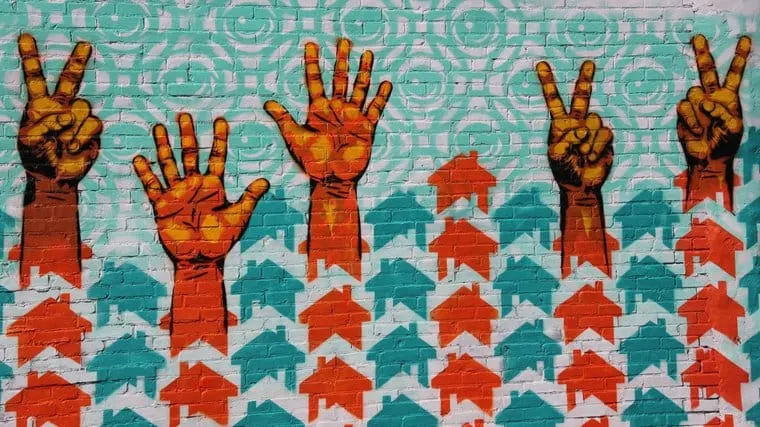
Photo by Sorgin, shared under a Creative Commons license