Polls closed in Pakistan at 5pm local time (12pm GMT) as the country seeks to steer itself out of the political doldrums. Nearly five hundred thousand soldiers and policemen were deployed to keep the peace, after numerous suicide bombings in the run-up to the elections. President Pervez Musharraf promised to abide by the results of the elections and work with whoever came to power through the ballot box. Results should emerge by midnight in Pakistan.
Musharraf has admitted that his ruling alliance may not be able to form a government after the elections.
The Guardian takes its cameras to the streets and mines the views of the public and the publicised.
The Torkham and Spin Boldak border crossings between Afghanistan and Pakistan were closed today as a precautionary measure. Thousands of people use the border crossings daily.
Over twenty-five people were injured in Taluka Kotdiji when members of the late Benazir Bhutto's Pakistan People's Party were attacked by a rival group. Keep up to date with the latest developments and sharpest perspectives in a world of strife and struggle.
Sign up to receive toD's daily security briefings via email by clicking here
Police have reported news of at least five explosions in and around polls on election day that have left at least one person dead.
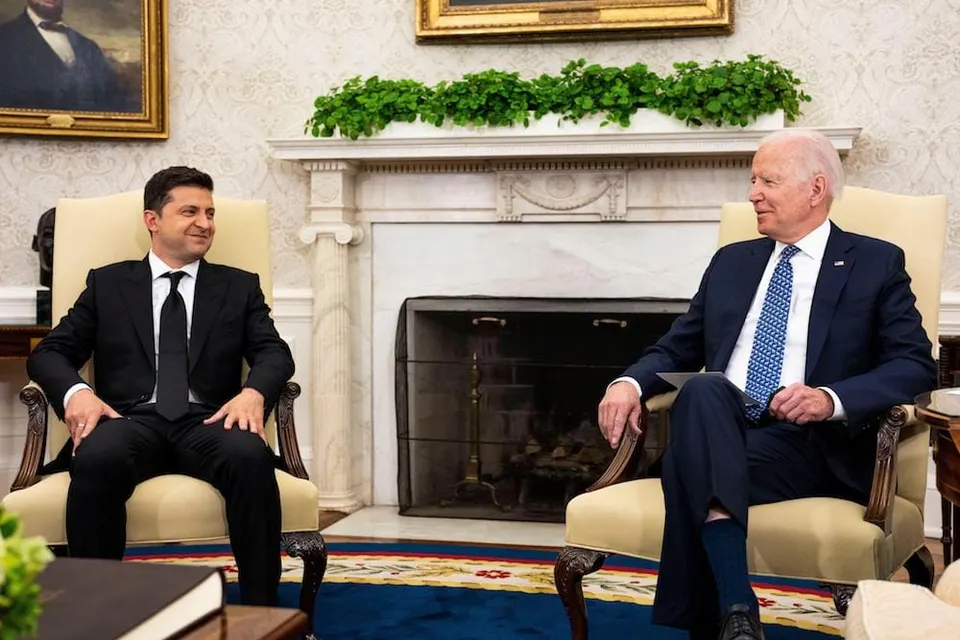
Visiting with a contingent of American politicians, US senator John Kerry claimed to be impressed with the manner of the preparations ahead of today's elections. He also promised that Washington wants to maintain relations with Pakistan "that work in the interest of the Pakistani people".
Women were stopped from voting in parts of rugged northwest of Pakistan, where tribal elders decided that should not be allowed to cast a ballot. An official in Peshawar lamented the situation. "I have reports that elders in the area decided that voting by women is against our culture," he said. "This is their tradition. We can do nothing."
Xinjiang troubles
Chinese police killed two alleged "terrorists" in Urumqi, the regional capital of the western region of Xinjiang. Five policemen were injured and over a dozen "terrorists" arrested in a raid on a Uighur gang with suspected ties to the East Turkestan Islamic Movement. Human rights groups accuse Beijing of exaggerating terrorist links in order to use the "war on terrorism" as a screen for cracking down on Uighur political rights.
Plot ringleader jailed
Parviz Khan, the Birmingham man who plotted to capture and behead a Muslim British soldier, has been sentenced to a life term in prison. He was also found guilty of supplying terrorists on the Pakistan-Afghanistan border.
Blast kills scores of dogfighting enthusiasts
A Taliban suicide bomber killed over a hundred people in what is the worst single incident of violence in Afghanistan since 2001. The bomber struck a crowd of people in Kandahar who had gathered to watch a dogfight, a popular local tradition but a spectacle banned under the Taliban.
A further thirty-seven civilians were killed in a Taliban attack on a Canadian convoy.
Cracking down on the Hizb in Kyrgyzstan
Hizbut Tahrir, the Islamist revivalist group dedicated to ensuring a "nonviolent" return to the Caliphate, has often operated in the central Asian state of Kyrgyzstan with impunity, in stark contrast to nearby Tajikistan and Uzbekistan, where the group is closely monitored and suppressed. Though officially outlawed, Hizbut Tahrir has for long been allowed a degree of tacit freedom in its activities, recruiting and propagandising in the remote and impoverished mountain regions of Kyrgyzstan. Yet, Kyrgyz officials have pledged to launch a campaign to curtail the group's influence in the country, bringing Bishkek in line with Dushanbe and Tashkent.
Monsters in the dark
In the northern Iraqi towns of Samarra, Baquba and Mosul, residents are petrified of venturing out after sunset, such is the fear inspired by al-Qaida fighters who prowl the city streets at night.
Demographic war in the Kingdom's east
Shias in of Saudi Arabia are protesting government plans to resettle Sunni Yemenis in the oil-rich Shia east of the country. While settling the Yemenis in well-planned housing blocks and manicured villas with electricity, many Shias have no access to basic services nor event the titular right to own their land. Riyadh has long considered the Shias of the Najran a threat to national security.