Anthony Barnett (London, OK): I was on the radio twice over the weekend, once in a short BBC profile of Ian McEwan I have only just caught up with. It's here. I'm in a little sequence on his politics and talk about how he helped remove the final "tropes" from Charter 88. The other broadcast was in my openDemocracy role for the World Service about the Asia Pacific Summit in Sydney (I’ve not found the link). The police there have put up a long, huge metal barrier right through the centre of the city and are intimidating protestors in an appalling way. Also on the package was a dignified Alex Bainbridge of the Australian Stop the War Coalition who said they had no intention of "spitting" on policemen or attacking heads of state, who will now be caged up for the duration of the summit.
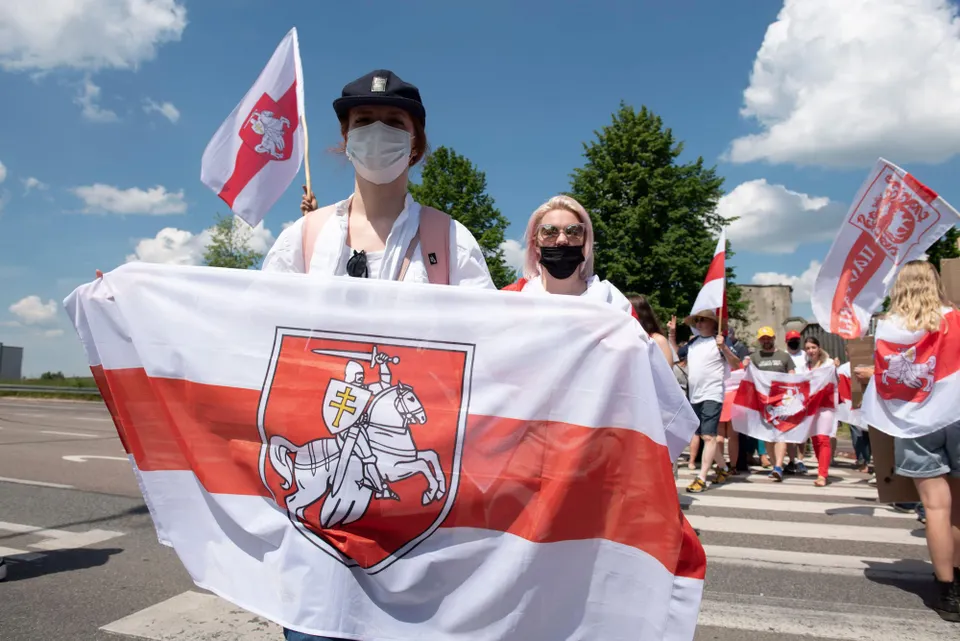
Local papers have joined in the intimidation and called it the “Rabble Proof Fence”. I was asked about the right to protest and comparisons with other summits. There is a lot to say here and it linked to part of the discussion about Ian’s work which couldn’t make it into the programme. This was about his novel Saturday and the demonstration against the war on that Saturday, 15 February 2003. I was one of the marchers and also respected those who saw it as a call that could be made differently if you knew and sympathised with Iraqis (as does the hero of Ian’s book who has a great argument with his daughter).
The two broadcasts made me think about how a fundamental shift is slowly working its way through our political culture. For all the weakness, self-indulgence and blinkered knee-jerk potential of protestors, in the case of the Iraq war the rabble was right. The people on the pavement were wiser than the leaders. This does alter somewhat the framework of discussion about democracy.