By Jessica Reed
Le Monde Diplomatique recently commented on a report issued by the New Dehli-based Center for Science and Environment stating that Coca Cola and PepsiCo are knowingly poisoning their indian costumers: abnormal amount of pesticides where found in the beverages, with a level 24 times higher than its 'acceptable limits' (in the USA, absolutely no traces of pesticides is to be found in either Coca or Pepsi cola).
Both multinationals deny all allegations, while six Indian states have already banned the soft drinks from schools and administrations.
This is not the first time Coca Cola and its rival were accused of wrongdoings: back in 2003 the illegal water-pumping (approaching 1.5 million of liters a day) dramatically lowered the water tables, and the toxic wasted polluted the remains of the phreatic tables which became unsuitable for consumation, leaving thousands of peasants without water. Various forms of protests including dharnas (sit ins) and human-chains surrounding the factories were quickly organised by women, who resisted for over a year and defended their most basic right: free access to decent, non polluted water. The socio-political movement triggered by these female activists received international support, while some of their more vocal supporters were arrested. The High Court of Kerala ruled the high-volume water extraction illegal.
Today Reuters India reports Cola sales down 10% following the bans imposed by six states.
Elsewhere: Back in 2004 the Guardian reported a Coke PR disaster that begins like this: "take Thames Water from the tap in your factory in Sidcup, Kent; put it through a purification process, call it "pure" and give it a mark-up from 0.03p to 95p per half litre" (click on the link for more.)
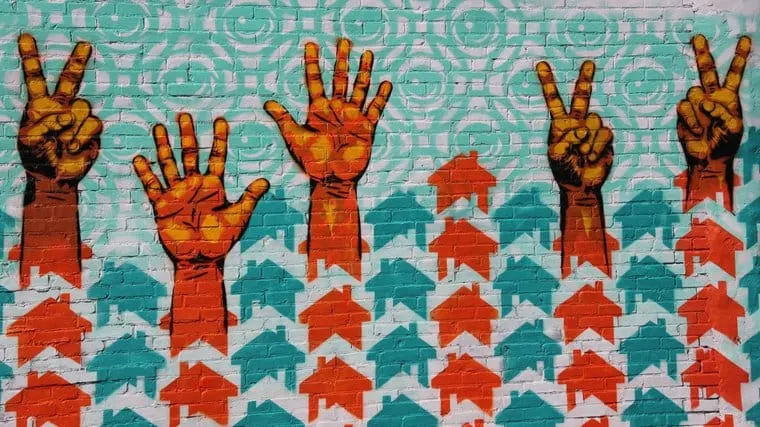
Picture: Via Skasuga's flickR page.