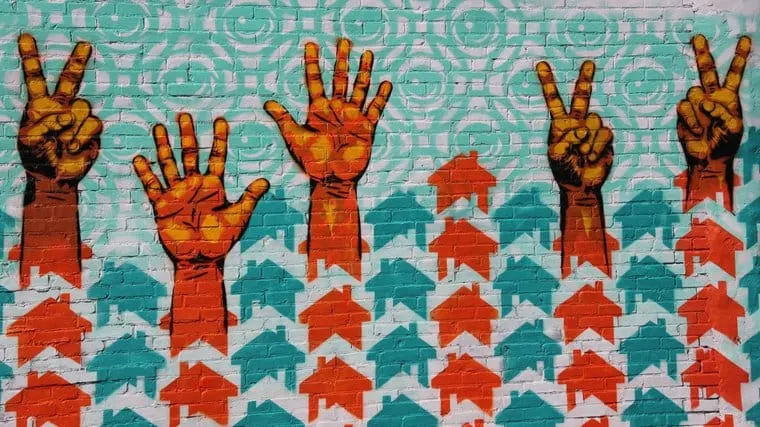
The Alliance of Civilisations: a noble and grand name, with more gravitas than even the United Nations (a civilisation, of course, by its own nebulous definition is bigger than any nation). One imagines robed monks coming down from the mountains to shake hands with poncho-clad farmers, high-fiving kilt-wearing Hebridean fishermen, group-hugging a throng of Bushmen. All the colours of Benetton would wilt in the glare of this rosy vision.
Or would they? Though numerous right-wing bloggers have attacked (see, for instance, this cuddly character) this new UN initiative, the AoC's recently released report is not quite as insipid as it may seem. Its syrupy idealism is, in truth, tempered by good deal of sincere political critique.
The AoC's 39-page report may not make for thrilling, edge-of-the-seat reading, but it is surprisingly open (for a document produced by an international deliberative process) in its broad repudiation of recent Bush administration policy.
Take, for instance, section 2.7 on democracy:
Democratic governance that is representative of citizens and responsive to their needs and aspirations provides the most effective means for individuals to achieve their full potential. To be successful, democratic systems must emerge organically from within each society’s culture, reflecting its shared values and adapted to the needs and interests of its citizens. This is only possible when people are free and feel in control of their destiny.
Or section 3.4 on disillusion with human rights:
there is a growing perception that universal principles of human rights and democratic governance are only vigorously defended in those cases where they are viewed by some states to be in their own interests – a selective approach that undercuts the legitimacy of the multilateral institutions mandated to articulate, advance, and advocate for those principles.
And 3.13: "Effective counter-measures [against terrorists] cannot rely solely on attacking adherents of such ideologies – in fact such tactics are likely to inflame the very sentiments they seek to eradicate."
And why not all of section 4.8:
In the context of relations between Muslim and Western societies, the perception of double standards in the application of international law and the protection of human rights is particularly acute. Reports of collective punishment, targeted killings, torture, arbitrary detention, renditions, and the support of autocratic regimes contribute to an increased sense of vulnerability around the globe, particularly in Muslim countries, and to a perception of Western double standards. Assertions that Islam is inherently violent and related statements by some political and religious leaders in the West – including the use of terms such as “Islamic terrorism” and “Islamic fascism” - have contributed to an alarming increase in Islamophobia which further exacerbates Muslim fears of the West.
None of this strays very far from the obvious. But this is material produced under the nose of Kofi Annan and other high-ranking international officials. The entire document, nevertheless, provides a very careful and meticulous analysis of the consequences of the US "global war on terror," without wholesale condemnation and recrimination. It provides a workable blue-print for understanding the complex forces at work in the middle east and the west.
Most importantly, it appeals to the practical exigencies of policymakers. The misrepresentation (and subsequent misunderstanding) of cultural differences and strife holds dire consequences for any committed global response to terror. In this vein, the UN's AoC is not an effort to be dismissed lightly.