
The years between 2015 and 2030 were catastrophic on a scale that made World War II look like a minor skirmish. Ecological disaster – including epidemics that spread because of global warming, resource wars, famine, desertification, and rising ethnic and international tension, which led to nuclear war – ultimately led to the death of much of the world’s human population (not to mention the plant and animal species that were wiped out). The global economy imploded and vast areas of the earth contaminated by radioactivity. By the year 2030 fewer than a billion human survivors were left, scattered over a poisoned and depleted earth, living at close to subsistence level.
Since then the situation has begun to improve. The only thing that has put humanity back on the path toward revival is the preservation of knowledge. Although the severity of the crisis was traumatic to an unprecedented degree, the lesson was learned: this disaster happened because human beings continued doing what they had always done, even when the dire consequences of carrying on business as usual, which had initially been virtually unimaginable, became everyday reality. Today, with a much smaller human population on the globe, forced to use renewable sources of energy, because there is no other kind available, we are trying to build a just and sustainable world society. We have seen where our folly led us. At last we are trying to live together with wisdom.
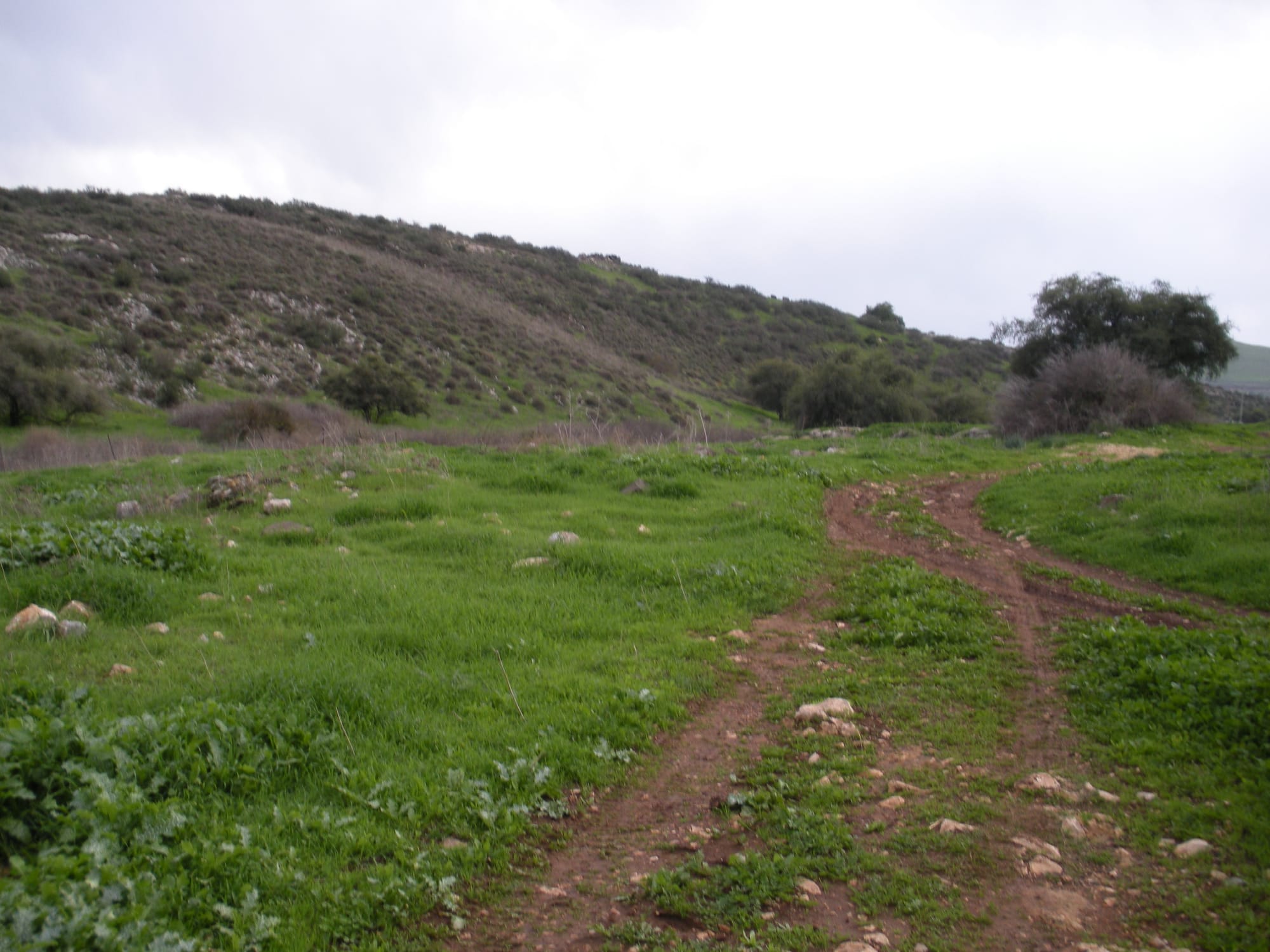
Postcard image info
Picture taken by Jeffrey M. Green
Author: Jeffrey M Green

