
What a beautiful thing to imagine!
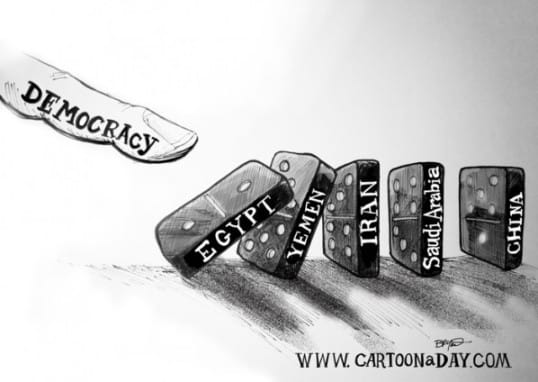
The single most important shift is twofold: that those in positions of domination understand that their privilege is not a good thing for the planet, and that the disempowered - who know already that their vulnerability is not good for the planet - gain voice. In other words, a re-structuring of who has a say and is heard based on the collective well-being of humankind and the planet as a whole. This realization may come in many forms, for example: no investment in projects that harm the environment (or: profits can only result from sustainable economic action - and this profit will not land in the hands of only a few); the living standard in developed countries will radically alter (say: remove all petroleum-based products; cut energy consumption in half); the living standard in developing countries also change, but on a new, less wasteful development path. Such radical rethinking is democratically possible - if the marginalized voices around the globe are heard. The uprisings in the Middle East are inspiring in this sense: the unheard voices do not necessarily need violence to be heard.
Postcard image info
Democracy Dominoes/Bryant Arnold/CartoonADay.com
Author: Susanne Zwingel

