

In this week's issue
- Experts warn NHS’s contract with Palantir creates lasting risk of mass surveillance in health service
- Far-right weaponisation of Henry Nowak’s death highlights need for solidarity among targeted communities
- Gaza-bound aid convoy forced to abandon mission after 11 volunteers were detained in Libya
- Paul Rogers: Despite fragile ceasefires, there is no clear route to peace in the Middle East
- How leftist senator Iván Cepeda made it into Colombia’s presidential runoff against the odds
- Ghana’s draconian anti-LGBTQ bill passes – but even its key backers are calling for the law’s recall
- Plus: This week in history and what we’re reading
I can’t quite believe that three years into Palantir’s £330m contract with the NHS, a cross-party committee of MPs still has to ask the government to come clean about precisely what sensitive personal information of British citizens is held by the controversial US military contractor, and on what statutory basis. One would argue this would be something to sort out before the contract gets underway?
This week, MPs urged the government to exercise a “break clause” in the contract in 2027, using the remaining time to shop around for British alternatives.
But as openDemocracy’s tech reporter Jade-Ruyu Yan reports in her cover story for this week, Palantir’s relationship with the NHS has revealed a persistent risk of mass surveillance that cannot be wished away by simply cancelling the contract. “As a bonus, can your story tell me what Palantir actually does?” I asked Jade. She has done exactly that.
Do read Satbir Singh’s introspective piece on being British and Sikh in the backdrop of Henry Nowak’s tragic murder. “For Sikhs, this is the moment to remember what our own traditions actually demand,” Singh writes, adding that “The harder reckoning is with ourselves.”
“Government must defend free speech consistently or risk deepening division,” says the director of Liberty, Akiko Hart. Her piece is the latest instalment in our series on how the government must reset after last month’s local election results. Fazilit Hadi from Disability Rights UK also urges Labour to “stop treating Disabled people as a problem to be managed”.
Speaking of that reset, Labour can look for lessons in Pedro Rossi’s analysis of how progressive labour reform has revived Colombia’s leftist movement.
Also in this issue, reports from Ghana, The Gambia, an update on our recent report from the land convoy to Gaza, and Paul Rogers on a dangerous pause in the Middle East.
If you want to see more rigorous reporting on behemoths like Palantir, then please donate to support our work. We don’t take money from Big Tech, we rely on readers like you!
Aman Sethi, Editor-in-Chief
 Jade-Ruyu Yan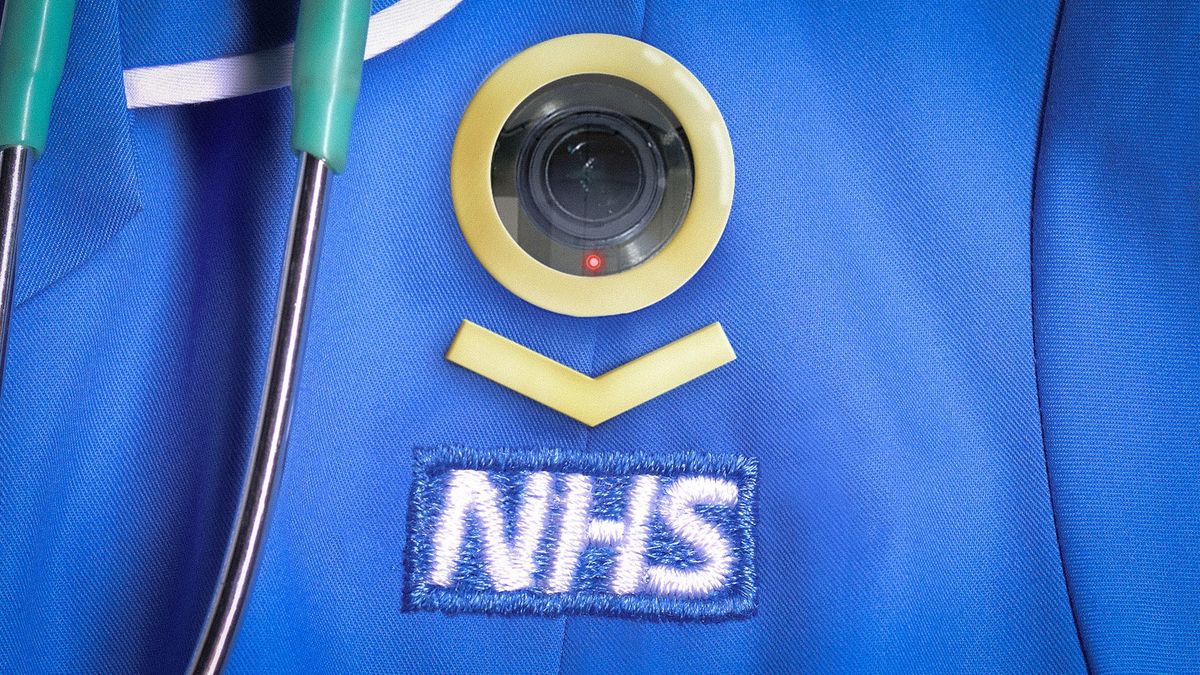
 Satbir Singh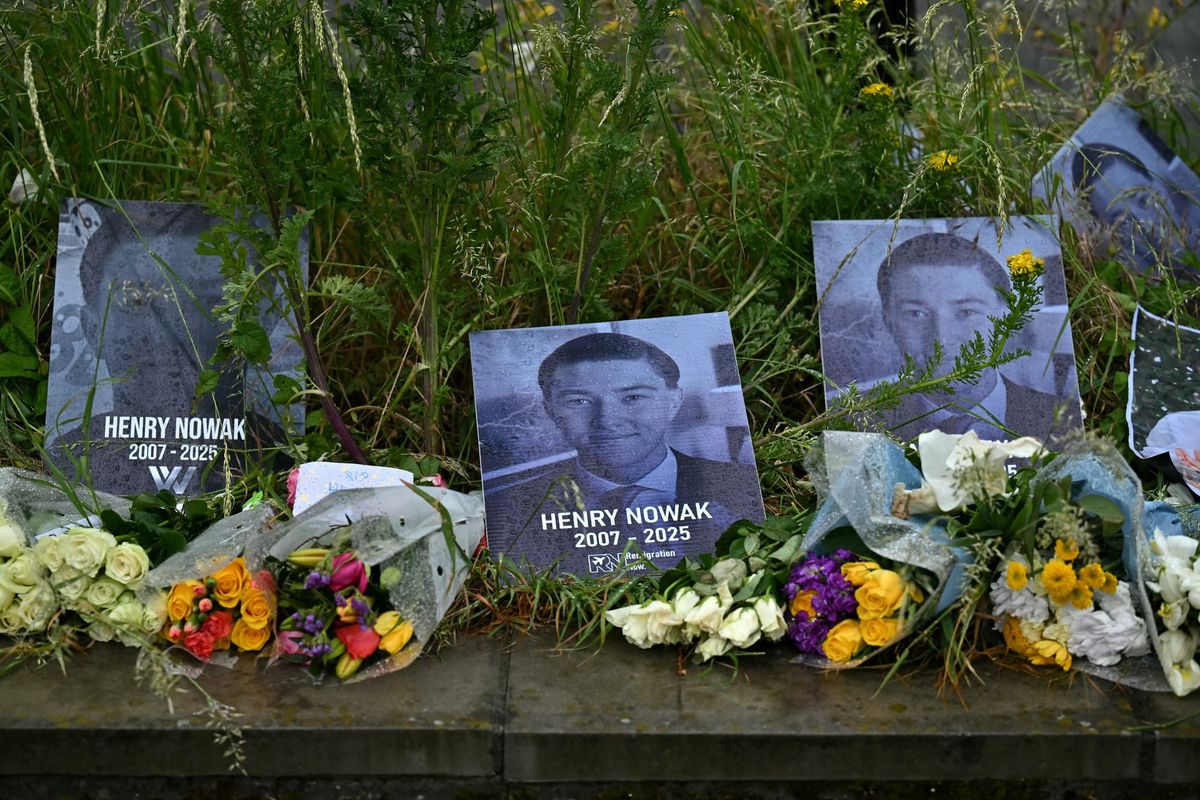
 Nandini Naira Archer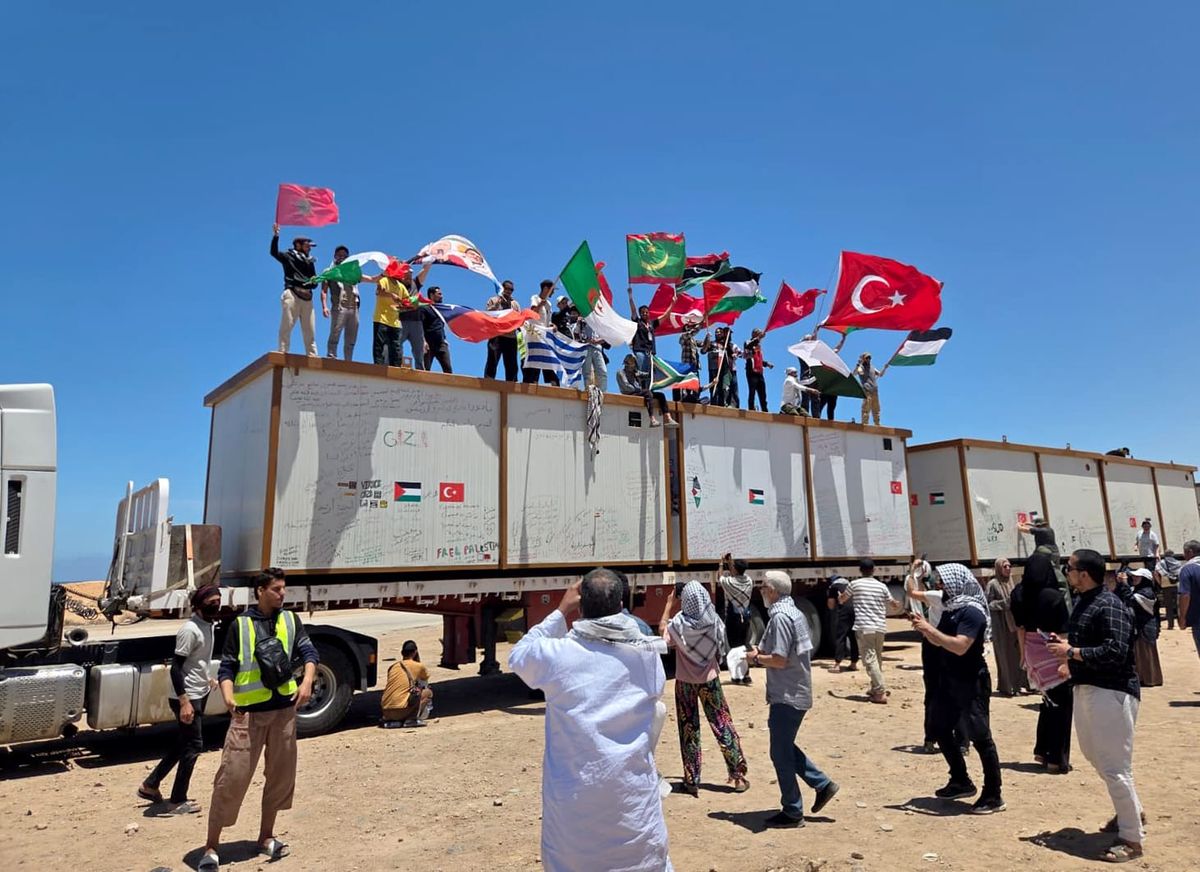
 Paul Rogers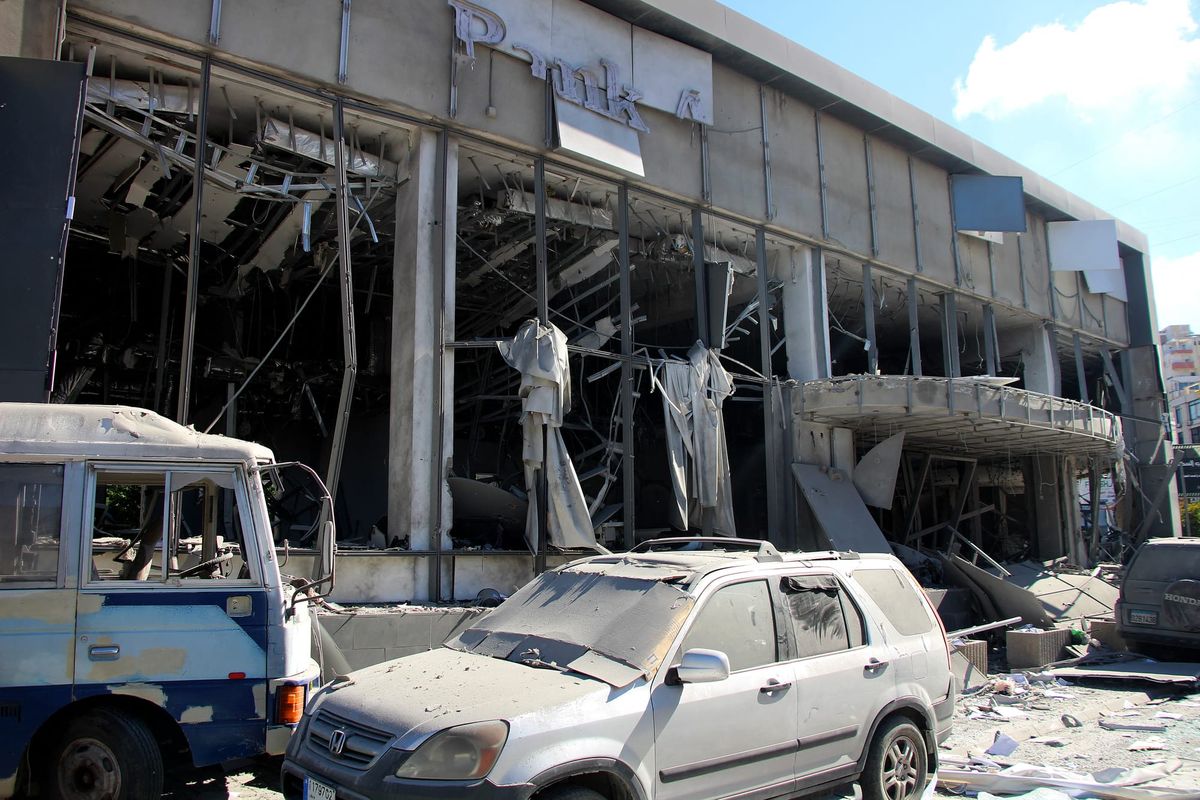
 Pedro Rossi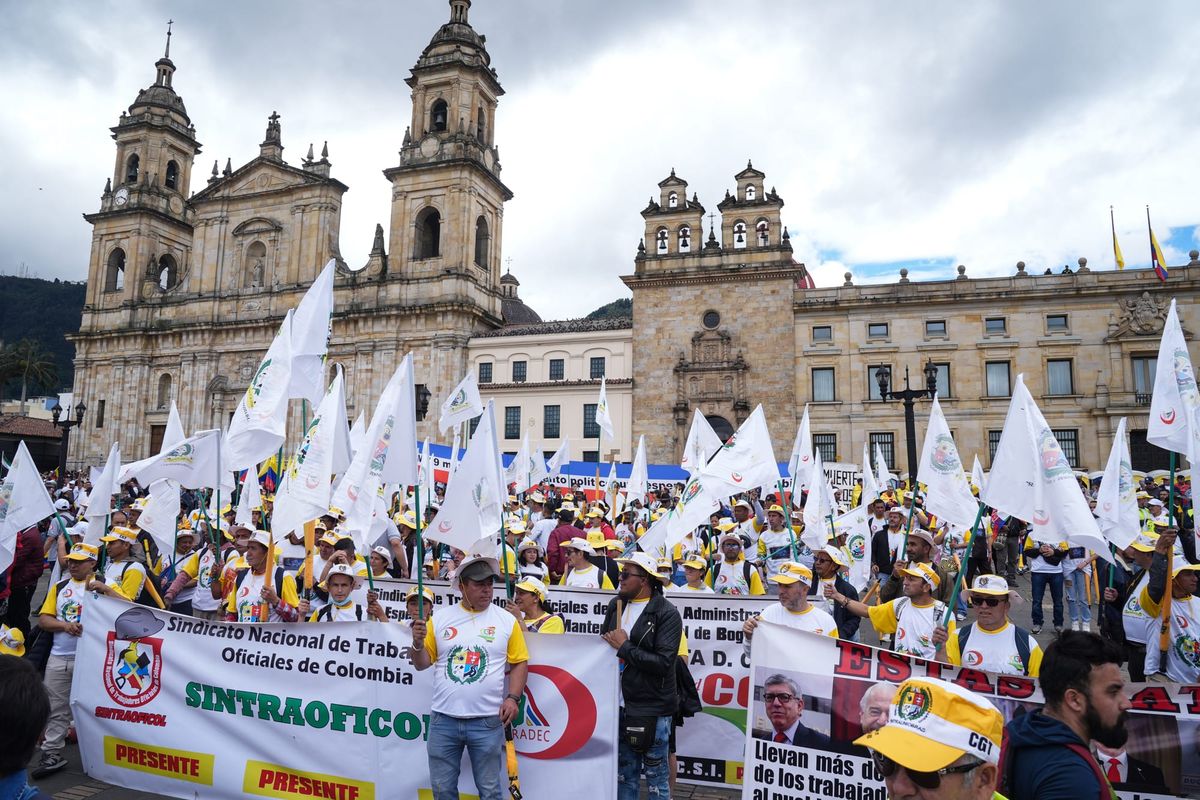
 Akiko Hart
 Delali Adogla-Bessa
 Fazilet Hadi
 Isatou Touray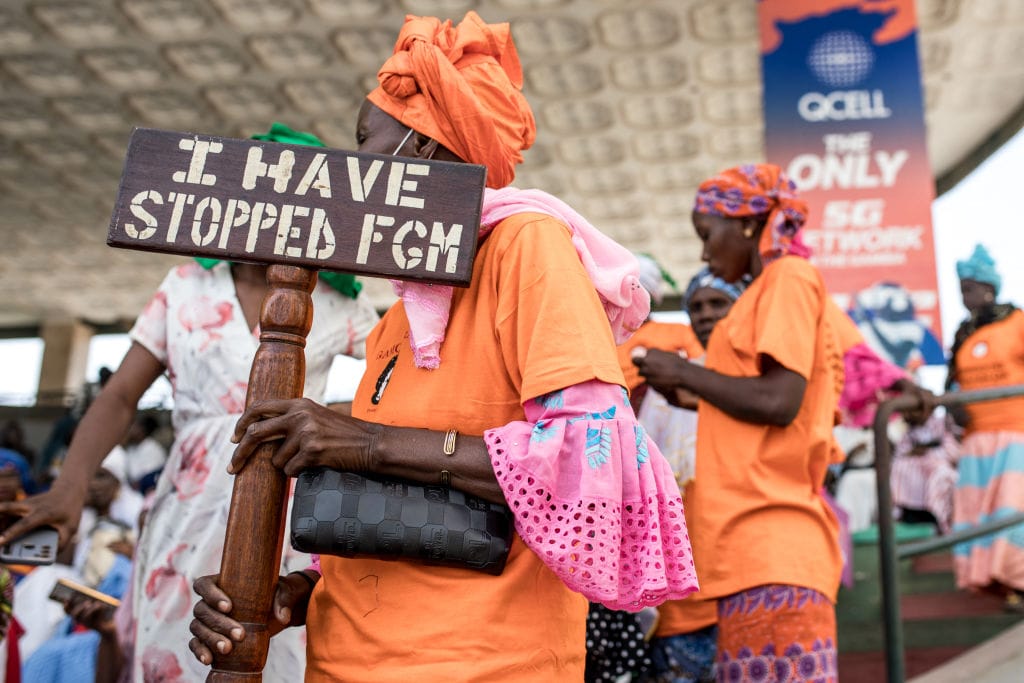
Weekly Poll
This week in history
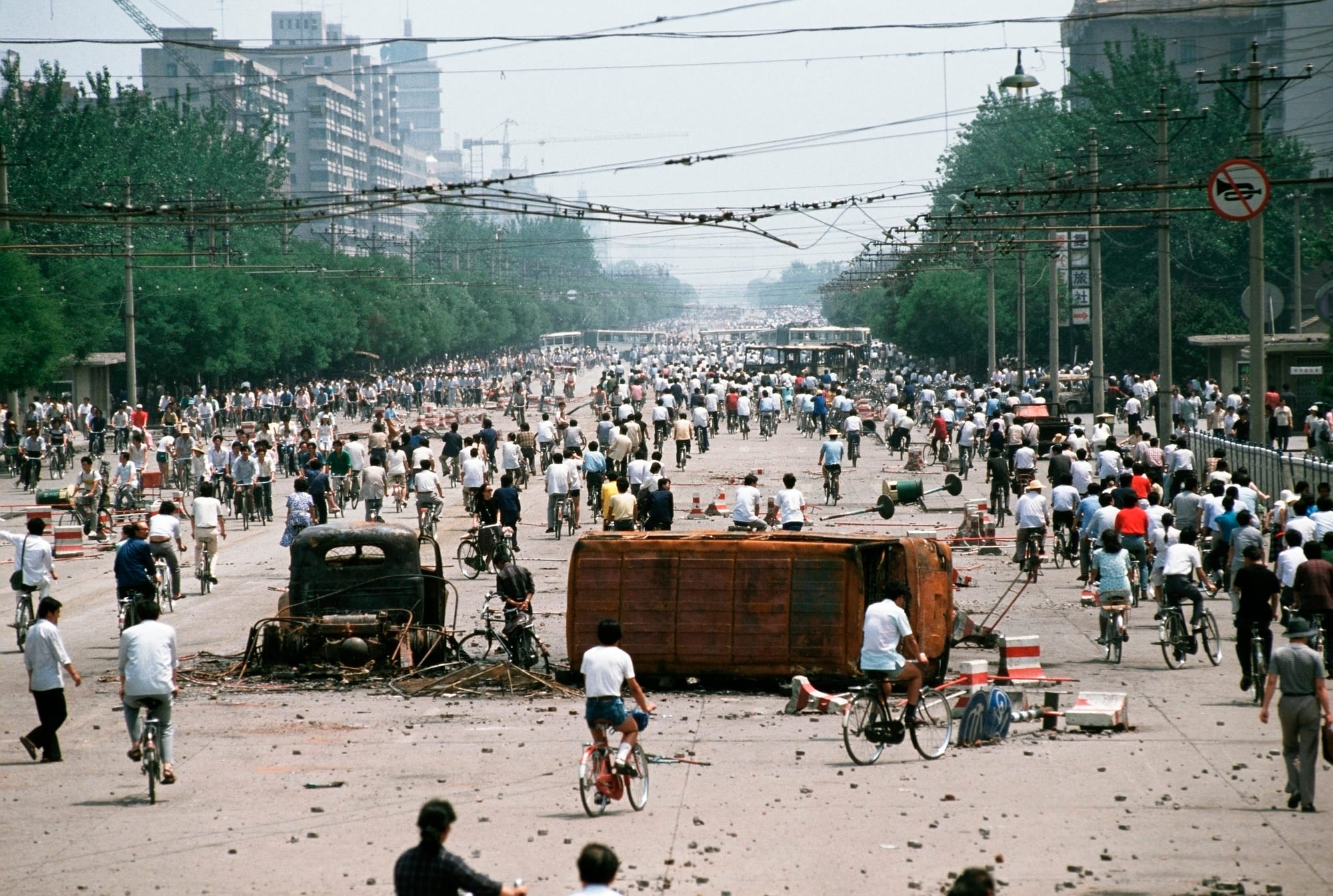
The Tiananmen Square massacre — 4 June 1989
On 4 June 1989, the Chinese People's Liberation Army moved against pro-democracy demonstrators who had occupied Tiananmen Square for seven weeks. Hundreds — possibly thousands — were killed. The crackdown ended China's most significant popular movement of the 20th century.
What is less remembered is that the demonstrators explicitly drew inspiration from the Polish Solidarity movement — and that the Chinese generals who ordered the crackdown had been inspired by Jaruzelski's 1981 martial law.
 Norman Birnbaum
What we're reading
Elemental: the new geography of climate change and how we survive it, Arthur Snell
How is the climate crisis affecting geopolitics? When will we see the first water wars, or have they already started? What happens to Saudi Arabia when we turn towards renewables; has the first polar bear been born that will never wander over summer Arctic ice; and will Chinese workers move into a more temperate Siberia? Snell’s book poses these questions and many, many more, in a fascinating, sometimes terrifying, often enraging and yes, even hopeful, read on the intersection between climate and geopolitics. Segmented into four digestible parts - earth, air, fire and water - it is a surprisingly easy read for what is a very dense subject, but that ease does not compromise on intellectual rigour and impeccable research. I learnt so much from reading this book, about where we are now, where we have been and where we might be going. And even though it hit the shelves only a week after the US-Israel war in Iran, it is prescient about this exact moment, too.
Sian Norris, senior investigations reporter
Thank you!
If you're reading this then you're amazing! Our work is only possible thanks to your ongoing support. Thank you for believing in what we do and for helping to make the world a better place


