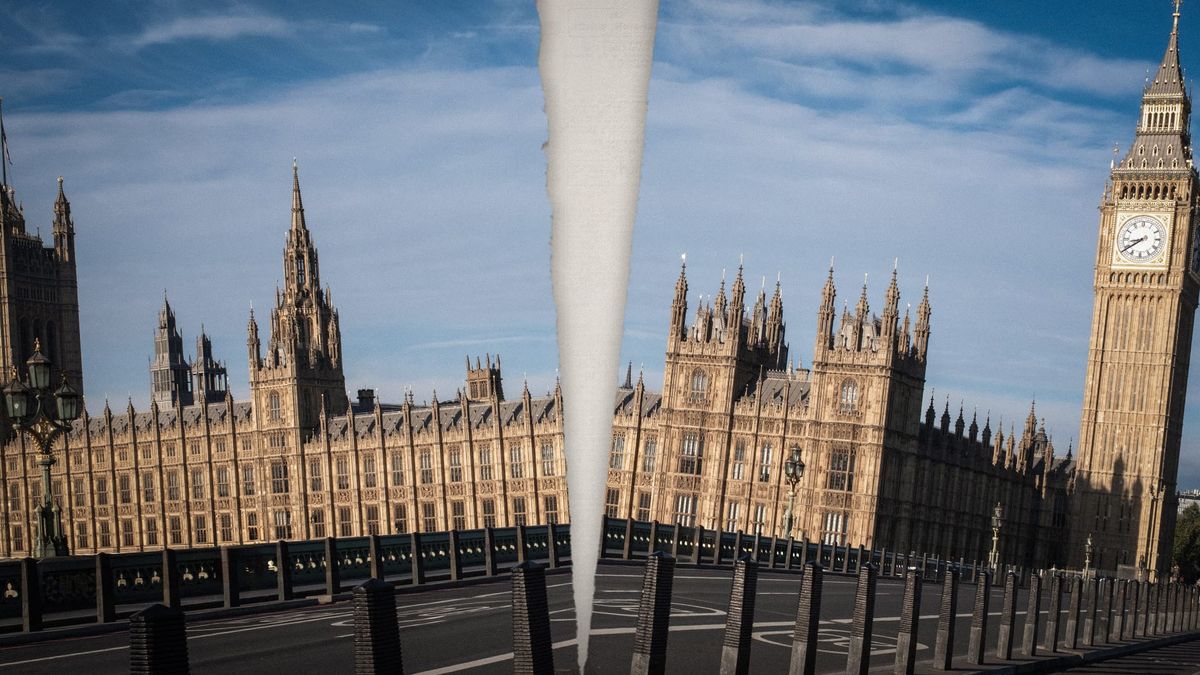
Back in the summer of 2024, when the world was young, Labour was on the cusp of winning the general election, and the Starmer Project was 100% pure potential — Sir Keir and his aides promised to clean up the sleazy world of lobbying.
Fast forward to this week, openDemocracy’s Ethan Shone checked in to see how that’s going. His findings are depressing to the point of being almost comical: Many Starmerites, Morgan McSweeny included, have set themselves up in one-person advisory firms that seem almost custom-designed to exploit the gaping loopholes of the Lobbying Act. Or as McSweeny himself told openDemocracy, “I do not provide lobbying services, nor do I intend to.” Duly noted.
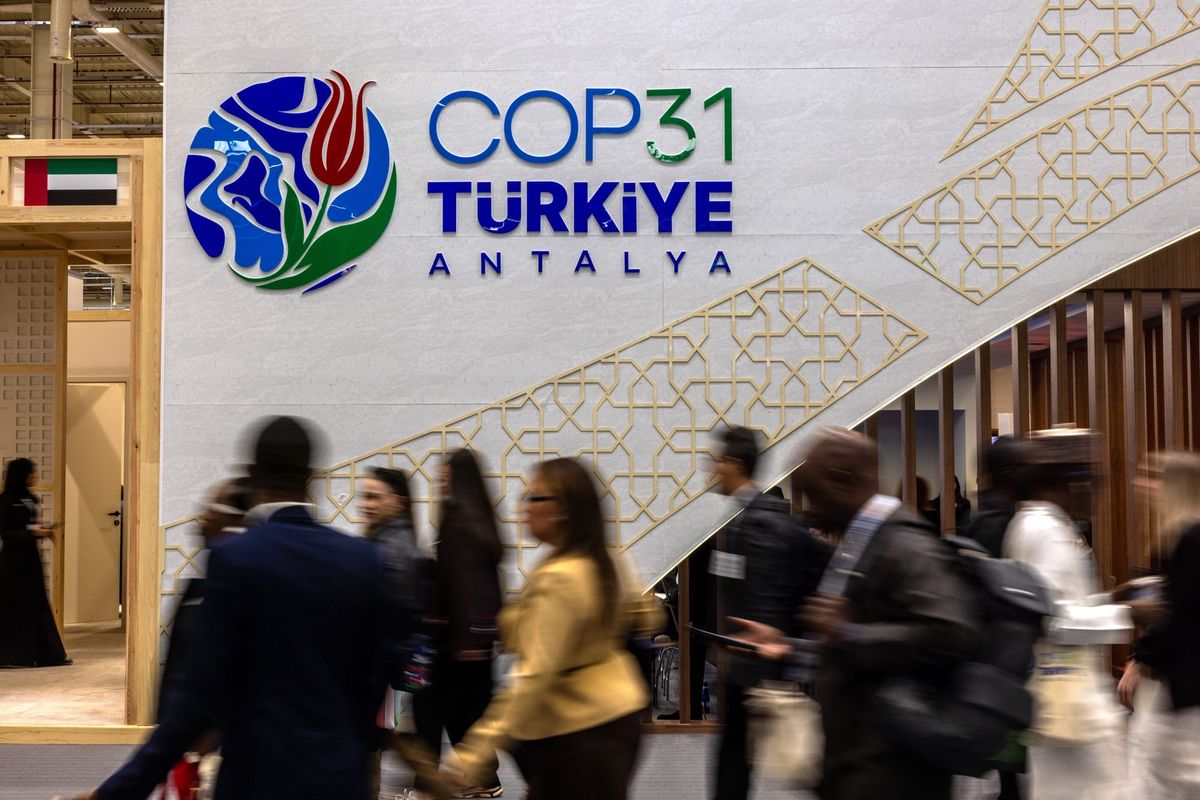
COP31 is underway in Turkey this week, as politicians and climate campaigners from around the world gather to find ways to stave off the worst impacts of climate change. There has been progress, but simply flatlining emissions won’t save us from the climate crisis, warns openDemocracy contributor Paul Rogers.
The next election could come any time, and we are determined to expose the flow of dark money in politics before then. To do so, we need to recruit 500 new monthly donors by the end of 2026. We're a third of the way there – but still have a long way to go.
Will you help us fight those funding the politics of hate, with a monthly donation today?
Also this month, Britain is rumoured to be joining the US, Russia, and Israel to lobby against a last-ditch attempt to put the brakes on the uncontrolled development of military AI and autonomous weapons at an upcoming UN Conference on Certain Conventional Weapons (that’s the actual name of this conference).
But “the military AI buildout is already having catastrophic consequences for livelihoods and habitats in Britain” write Nico Williams and Nathan Akehurst in a perceptive analysis for the newsletter.
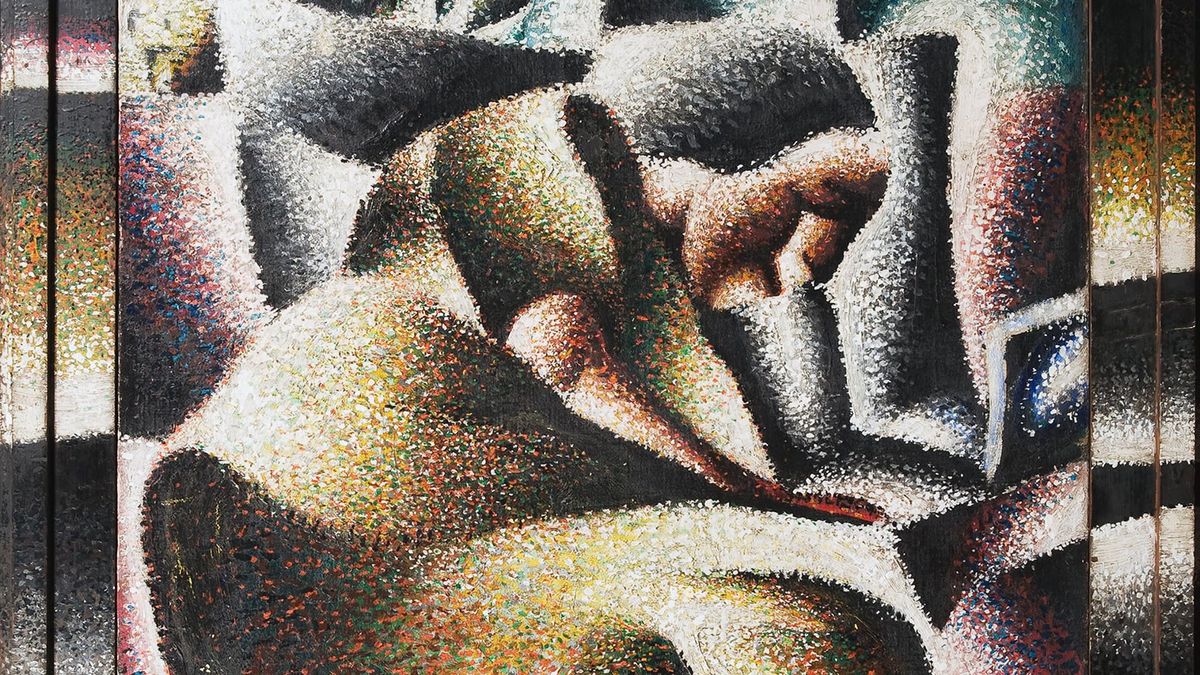
Finally, take a moment to slow down and read this perceptive piece by William Davies on the cultural panic around what is now being called “the literacy crisis” or the collapse in reading ability across much of the world.
We at openDemocracy are so glad that readers, such as yourself, still take pleasure in the written word. If you love reading journalism that exposes wrongdoing and holds the powerful to account, please do consider becoming a regular donor.
Have a great weekend
Aman Sethi
Editor in Chief
 Ethan Shone
 William Davies
 Aman Sethi
 Paul Rogers
 Hannah Couchman
 Nico Edwards
 James Battershill

Weekly Poll
How does your opinion compare to the rest of our readership? Take our new look weekly poll and find out. Have thoughts about the topic? Send us an email
Last week's poll results
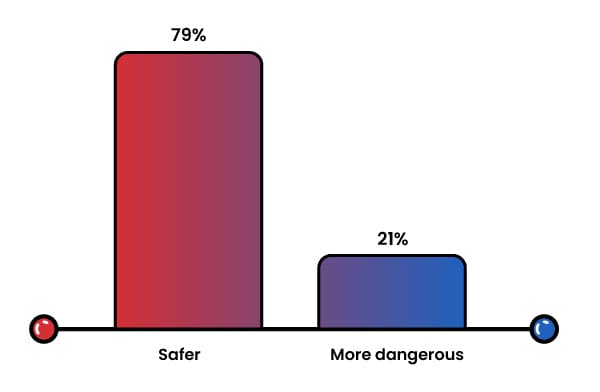
Will the Republican losses in the US House and Senate make the world safer or more dangerous?
Reader Comments
openDemocracy receives so many carefully considered messages about our work that it seems a shame to keep them to ourselves.
These comments are edited for clarity, accuracy and length, and are not a reflection of openDemocracy's editorial position.
Sadley, I agree with Paul pessimistic analysis. The conclusion
is that we have settler colonial system manifested through an apartheid regime.
The hope is the growing international movement with the Palestinians and turn it into external leverage on Israel to change its oppressive policies. The
internal contradictions and fragmentation in the Israeli society can accelerate the process of change which the anti-war movement in Israel, even if it small, are vital player.
However, the Palestinians nonviolence resistance to the occupation and determination to stay on their land will continue to inspire the international solidarity movement and refusal to accept the injustice that the Palestinians face.
Marwandarweish | Inside the Israeli military mindset driving endless war
What we're reading
Stations, Louise Kennedy
I couldn’t resist telling you about Stations, the new novel by Trespasses author Louise Kennedy. A searing tale about youth, marginalisation and poverty, Stations follows two friends from Ireland to London in the 1980s, tracing their lives right up to the 00s. It’s a novel about friendship and loss, grief, fathers and mothers – and as with Trespasses, it explores what it means to live with the threat of simmering violence. Kennedy’s writing is so vivid, she conjures the grime and grim reality of 1980s London so that you feel you are there.
Sian Norris - Senior Investigative Reporter
This week in history
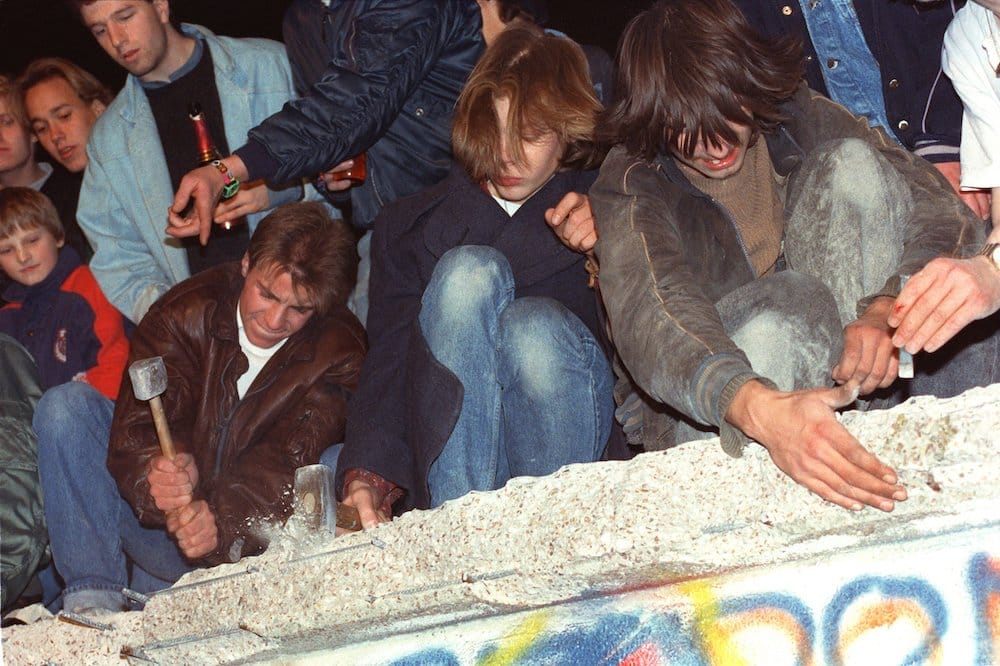
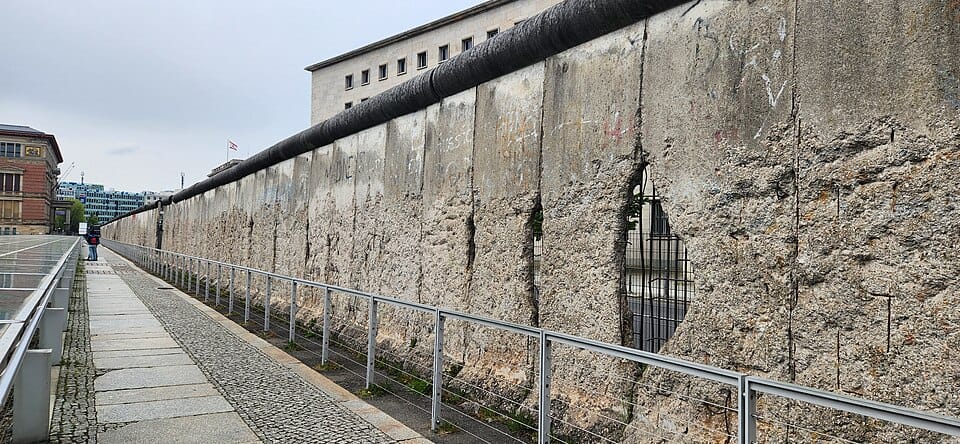
The fall of the Berlin Wall • 9 November 1989
On 9 November 1989, after weeks of mass protest across East Germany, the Berlin Wall fell. Within months, communist governments across Eastern Europe had collapsed. The moment felt briefly like the dawn of a new era. What followed was more complicated: rapid privatisation, the impoverishment of working-class communities, the rise of oligarchs, and eventually the authoritarian backlash visible across the former Eastern Bloc today.
This week's archive piece examines how the vacuum left by the fall of the Berlin Wall allowed reactionary neo-Nazi subcultures in the former GDR to mature into modern electoral movements like the AfD.
 Maik Fielitz