

In this week’s issue
For many years, defenders of Israel’s policies in Palestine have pointed to the many Arab regimes that have turned a blind eye to the plight of Palestinians.
Yet as we near the second anniversary of the Hamas terror attacks and the genocide that has followed and – in many ways – endures, it is important to remind ourselves that ordinary people around the world, especially in the Arab world, continue to defy their repressive governments to stand in solidarity with a people under siege.
This week, we bring you an account from Tunisia where activists who organised the Sumud Flotilla last year are now on hunger strike in prison. In 2025, “the Tunisian state was, in some sense, a party to the flotilla’s departure,” an activist told openDemocracy’s Nandini Naira Archer.
The next election is only three years away, and we are determined to prevent the rise of the far right. To do that, we want to recruit 500 new monthly donors by the end of 2026. We're a third of the way there – but still have a long way to go
Will you be part of the movement to fight the far right, with a monthly donation today?
A year later, the regime is out arresting those who speak in favour of a free Palestine. What changed? Read the piece to find out.
Also in this week’s edition, a radical proposal to fix Berlin’s housing crisis, how Argentina’s far-right has discovered the emotive power of Las Malvinas (or the Falklands), Paul Rogers on Trump at the United Nations General Assembly, and our special podcast on Palantir and the art of tax evasion.
We’re bringing you a more international perspective this week as we dig in for a deep dive into Labour Conference next week. A massive, massive thank you to our readers who contributed to helping us get our reporters to Liverpool. If you love our journalism, consider becoming a regular contributor.
Have a great weekend
Aman
 Nandini Naira Archer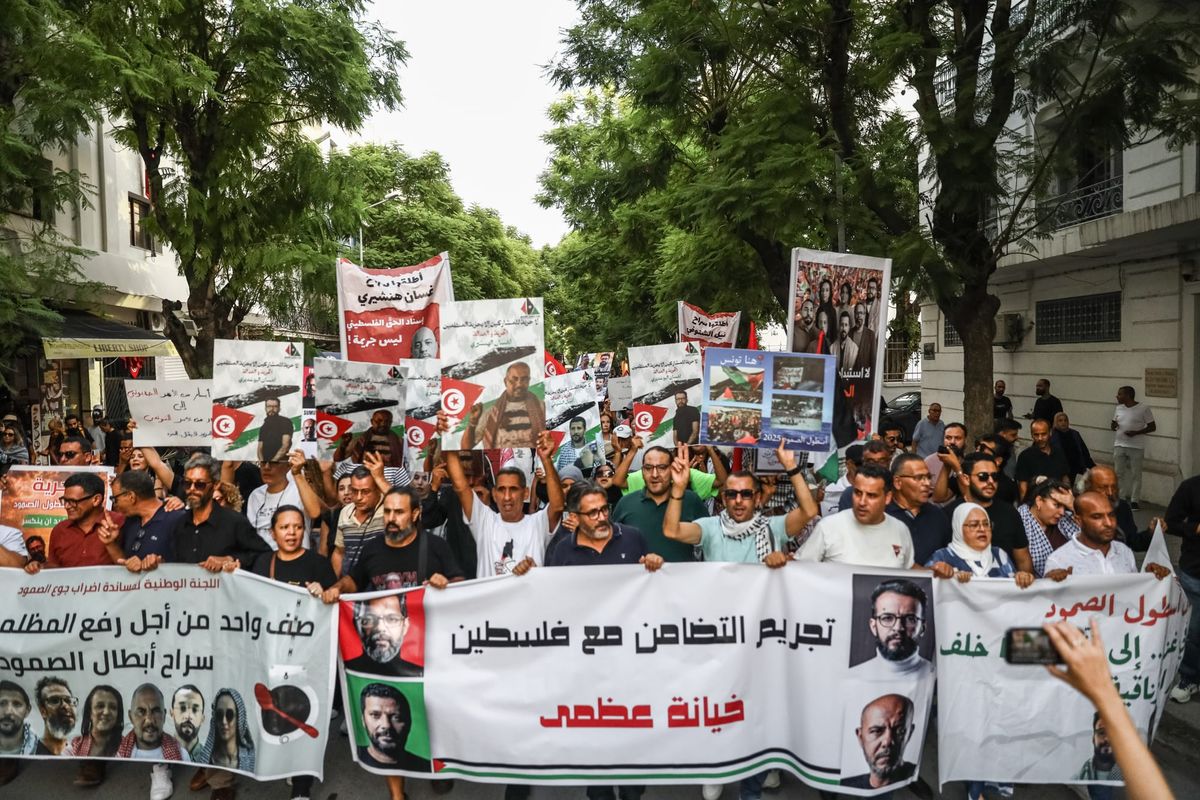
 Florence Evans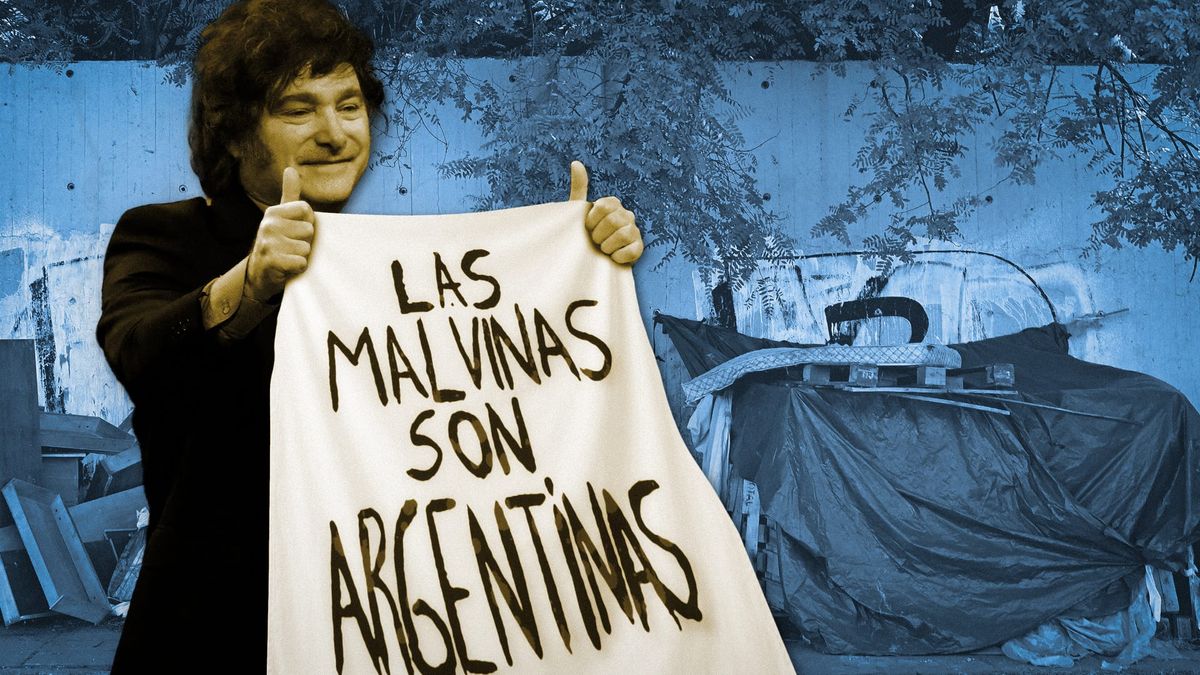
 Paul Rogers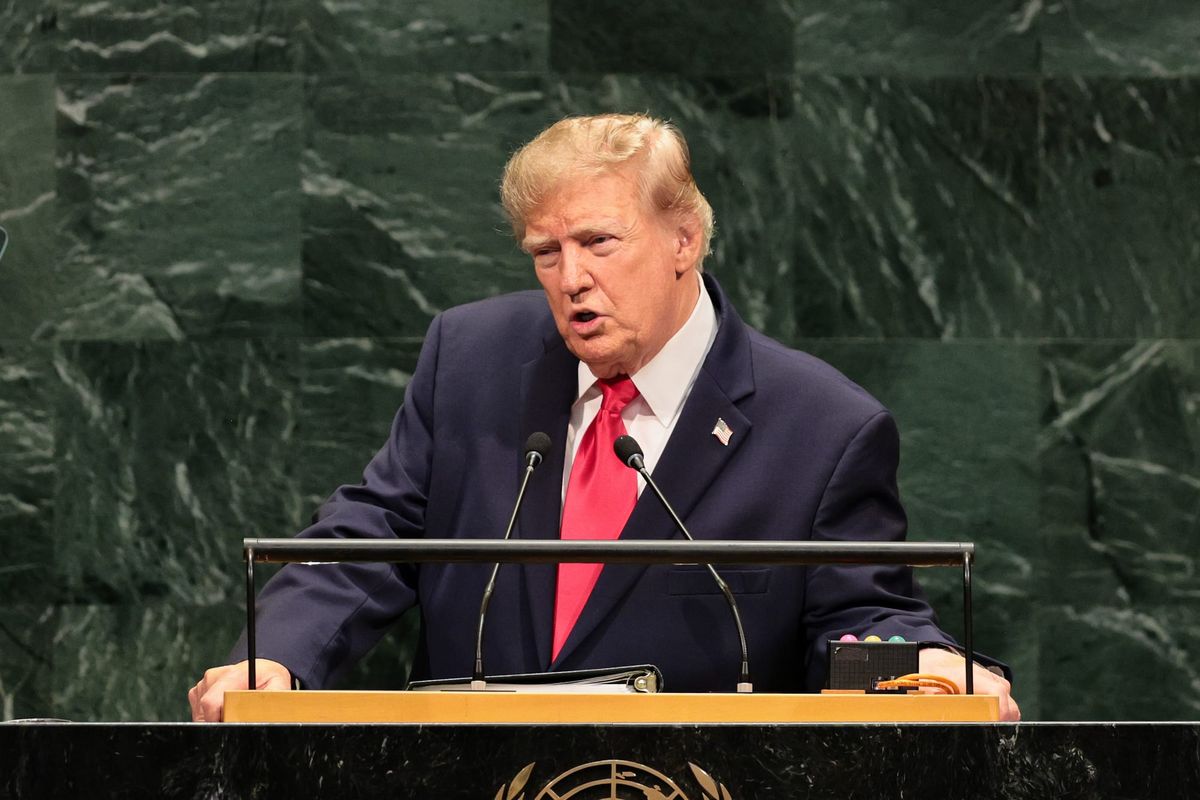
 Amir Ishikawa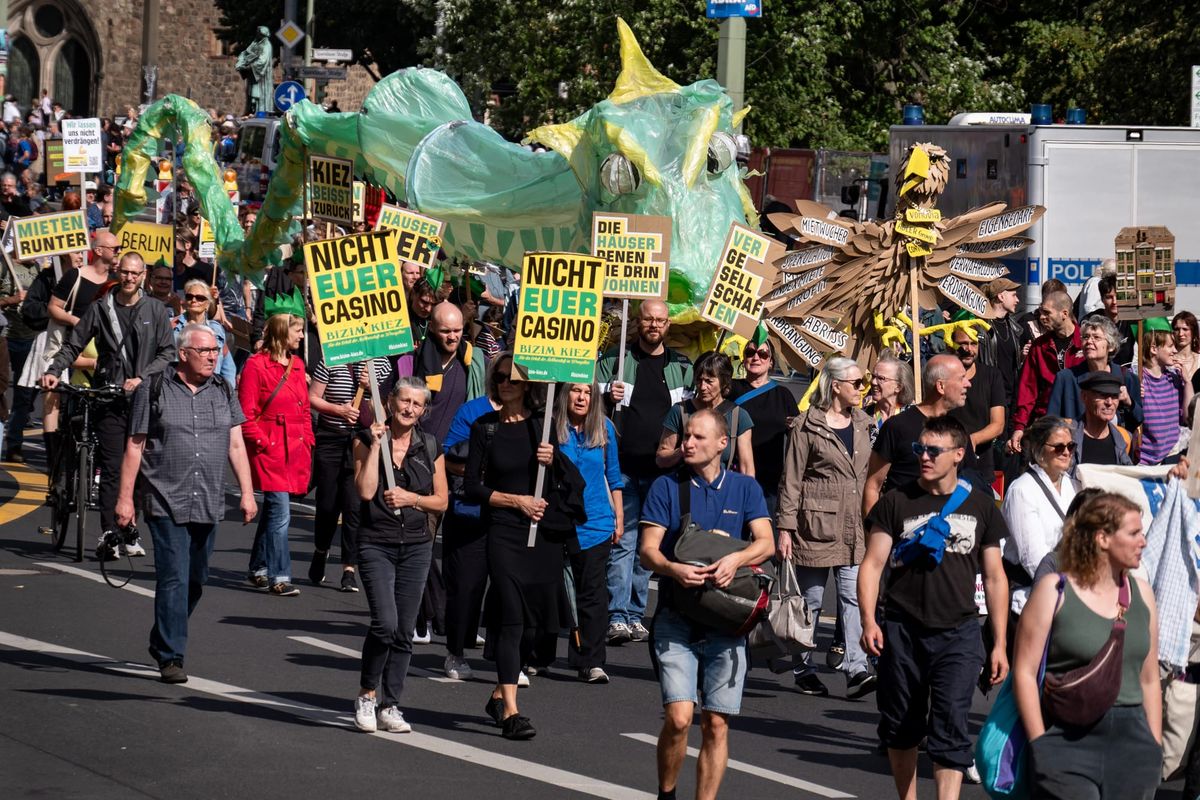
 Aman Sethi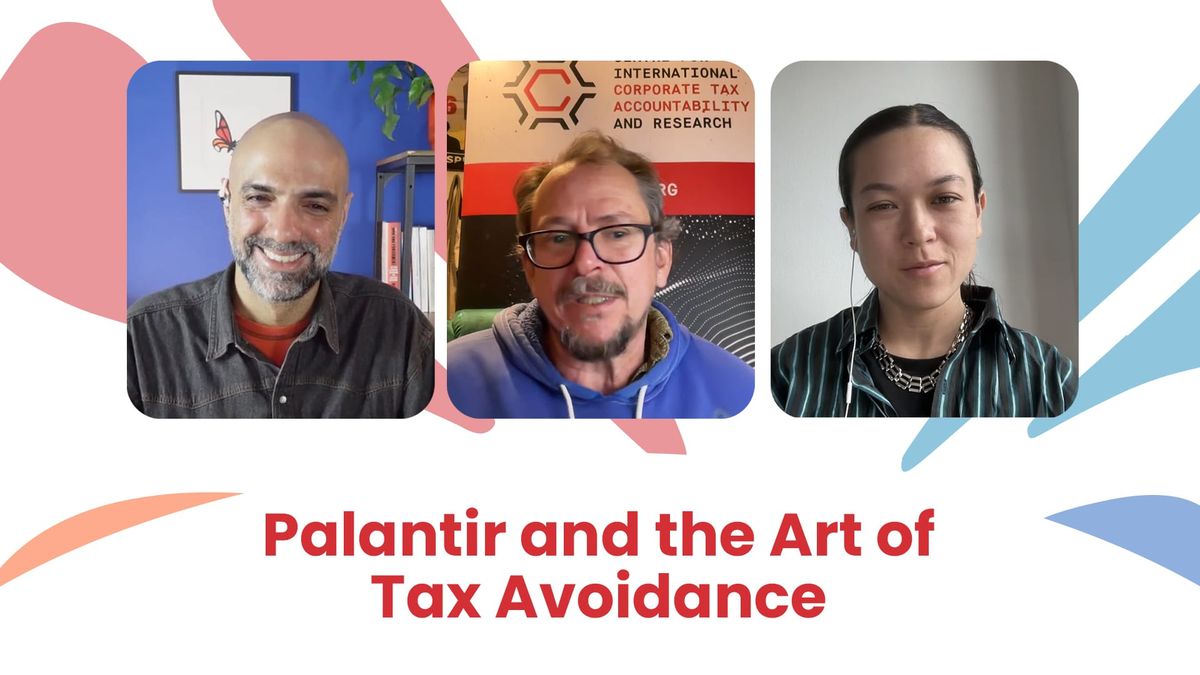
Weekly Poll
How does your opinion compare to the rest of our readership? Take our new look weekly poll and find out. Have thoughts about the topic? Send us an email
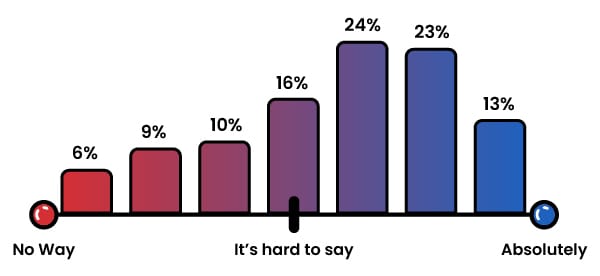
"The UK should relinquish its claim to the Falklands"
Last week's poll results
Will Reform’s £72m ‘gift’ dent the party’s image?
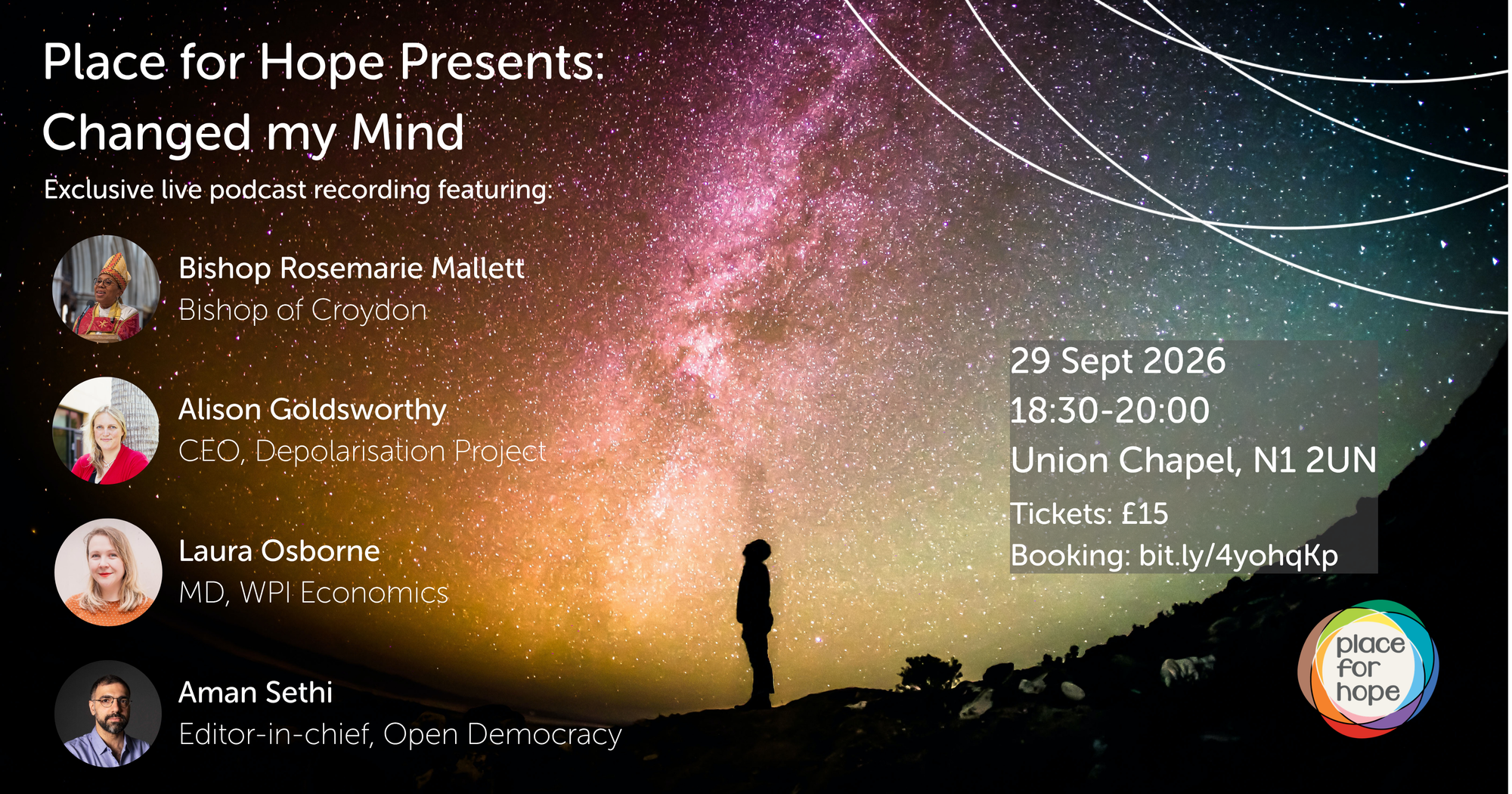
Join us for an exclusive live recording of Changed My Mind, the podcast that explores the thinking behind serious shifts of opinion. This panel discussion will feature Rosemarie Mallet, the bishop of Croydon, Aman Sethi, the editor-in-chief of openDemocracy, Alison Goldsworthy, the CEO of The Depolarisation Project, and Laura Osborne, the managing director of WPI Economics. You can get a flavour of Changed My Mind by listening to the podcast or via this article.
Reader Comments
openDemocracy receives so many carefully considered messages about our work that it seems a shame to keep them to ourselves.
These comments are edited for clarity, accuracy and length, and are not a reflection of openDemocracy's editorial position.
Writing in today’s Guardian (19/9/26), talking about the suffering of the Palestinian people in the West Bank, you express reservations about Ed Miliband’s recent sanctions on Israel and the action taken by the rapper Macklemore and go on to say “for those desperate to see change, the best hope is the ejection from office of what has been a vile, cruel, bigoted and lethally dangerous government.”
Of course we in the UK have no influence over Israeli elections. Your unspoken message seems to be that there is nothing much we can do. That is not true. If yourself, along with others at the Guardian, Matt Brittin (BBC Director General), Jonathan Harmsworth (Lord Rothermere, owner of the Daily Mail) and other powerful media voices were to report the truth of what is going on and condemn it there would be a sea change in British public opinion which would lead to political action which would have major impact on Israel and the wider world.
To give one example, the depravity and cruelty of Israel’s Sde Temain Prison Camp is almost unbelievable (I will not give details). It should have dominated the news, with banner headlines and dramatic photographs on the front pages and been ‘top story’ on BBC main news. Sde Temain should be a byword for cruelty. Instead it was barely reported and most people have never heard of it. That silence needs to end.
Brendan O'Brien | An open letter to Jonathan Freedland of the Guardian - via email
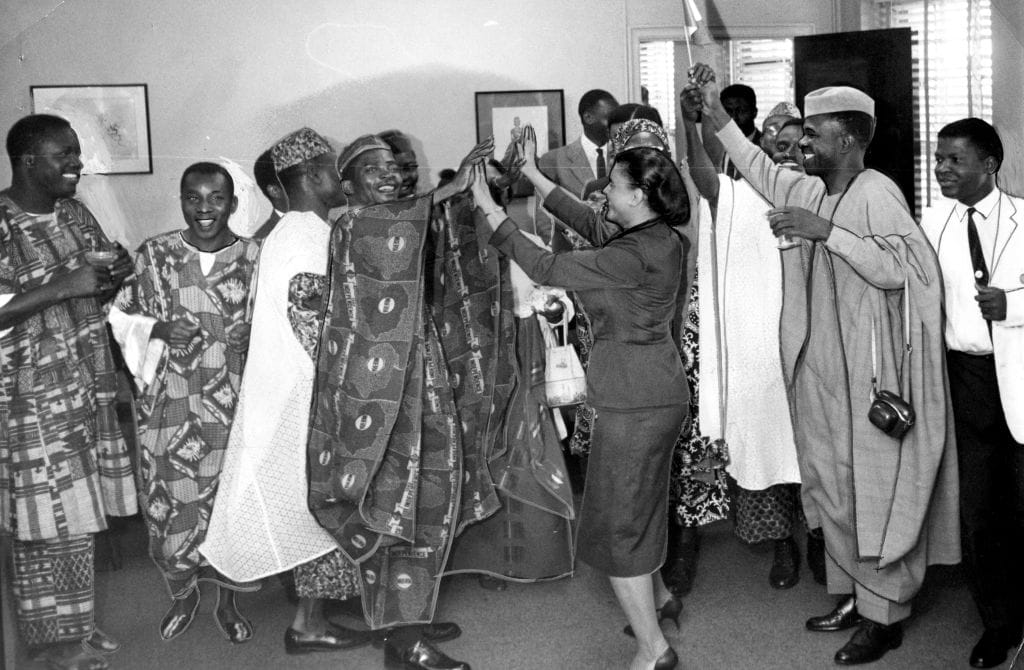
This week in history
Nigerian independence • 1 October 1960
Nigeria became independent from Britain on 1 October 1960. With over 180 million people today, Nigeria is Africa's most populous nation. Its independence story was shaped by the colonial-era divide-and-rule between ethnic groups, followed by military coups and the Biafran war. Encapsulating both the possibilities and the painful contradictions of African decolonisation.
 Godwin Nnanna

This article is published under a Creative Commons Attribution-NonCommercial 4.0 International licence. If you have any queries about republishing please contact us. Please check individual images for licensing details.


