

“I’m a very active person, and it’s difficult for me to stay in and do nothing,” says “Sarah”, a 30-year-old woman seeking asylum in the UK, who spoke to openDemocracy on condition of anonymity. When the COVID-19 pandemic hit at the end of March, she decided that she had to keep busy by helping others in need. “We” – asylum seekers – “are not allowed to work,” she explains, “but it doesn’t stop me from supporting other people.”
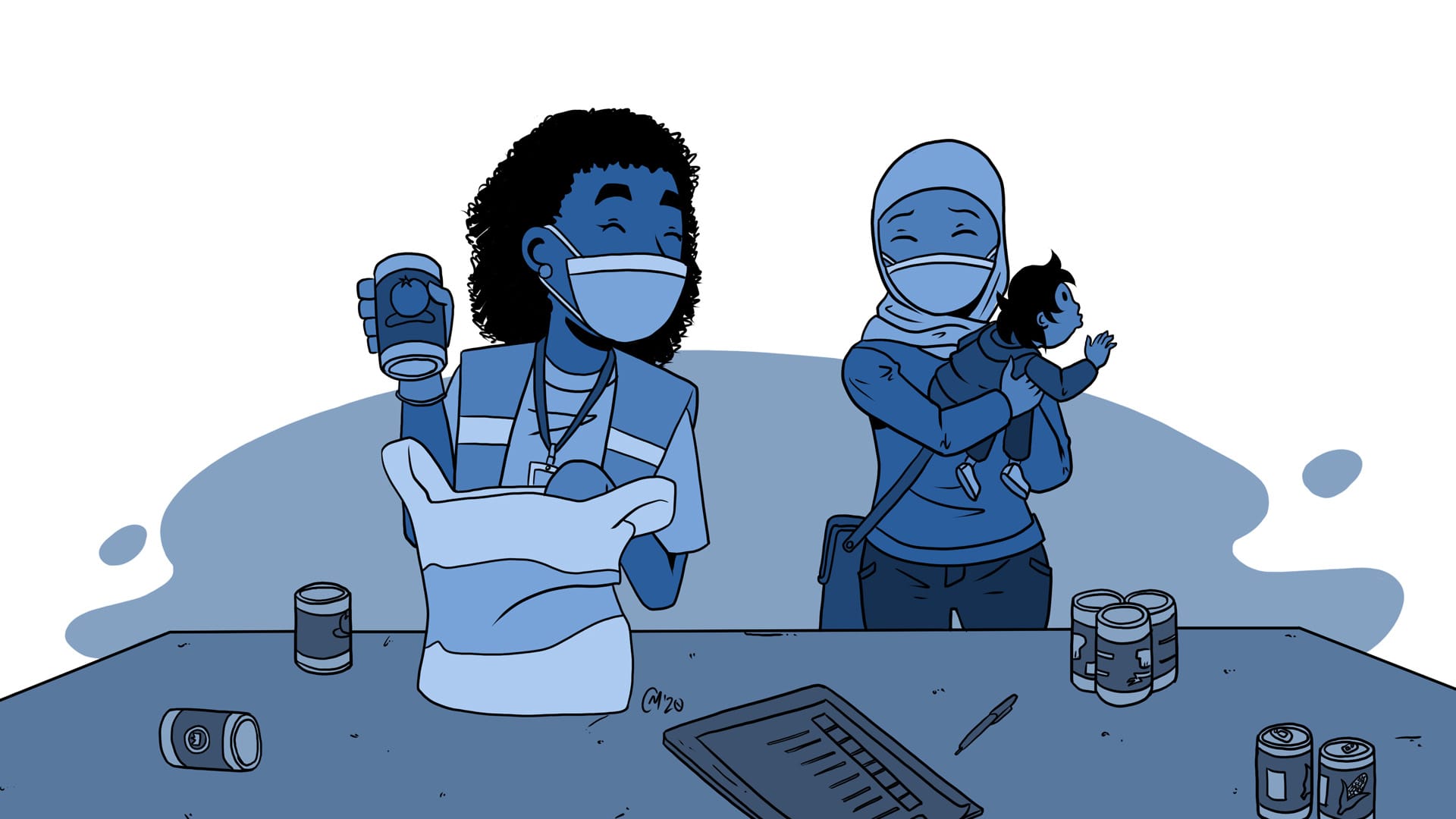
Over six months, for 40 hours a week from Monday to Friday, Sarah joined a small team of volunteers based in the east London borough where her state-provided housing is located. She took delight in preparing and delivering food parcels for families who were self-isolating or unable to afford vital supplies.
Sarah considers volunteering a welcome respite from the tribulations she has faced since first arriving in Britain from Nigeria thirteen years ago. But over the past year, a combination of the pandemic and the demands of the UK asylum system have made life more challenging – a common experience for women in her situation.
