

A hysterectomy – the removal of a woman’s reproductive organs – is more likely to happen to women in later life, after their childbearing years, or if they’re facing a serious medical condition. It’s a rare procedure for women under 30 who are beginning to start their families. Yet, following the birth of her two children by caesarean section (C-section) Candice had a hysterectomy at only 29 years old.
Tee, also a mother of two, described the recovery period after her first C-section as “horrible”. “When I came home from the hospital, everything kind of fell apart. My husband worked during the day, so we were home alone a lot. Eventually, one of my staples burst open and the pain was excruciating. I couldn't walk. I was crying all the time,” she said.
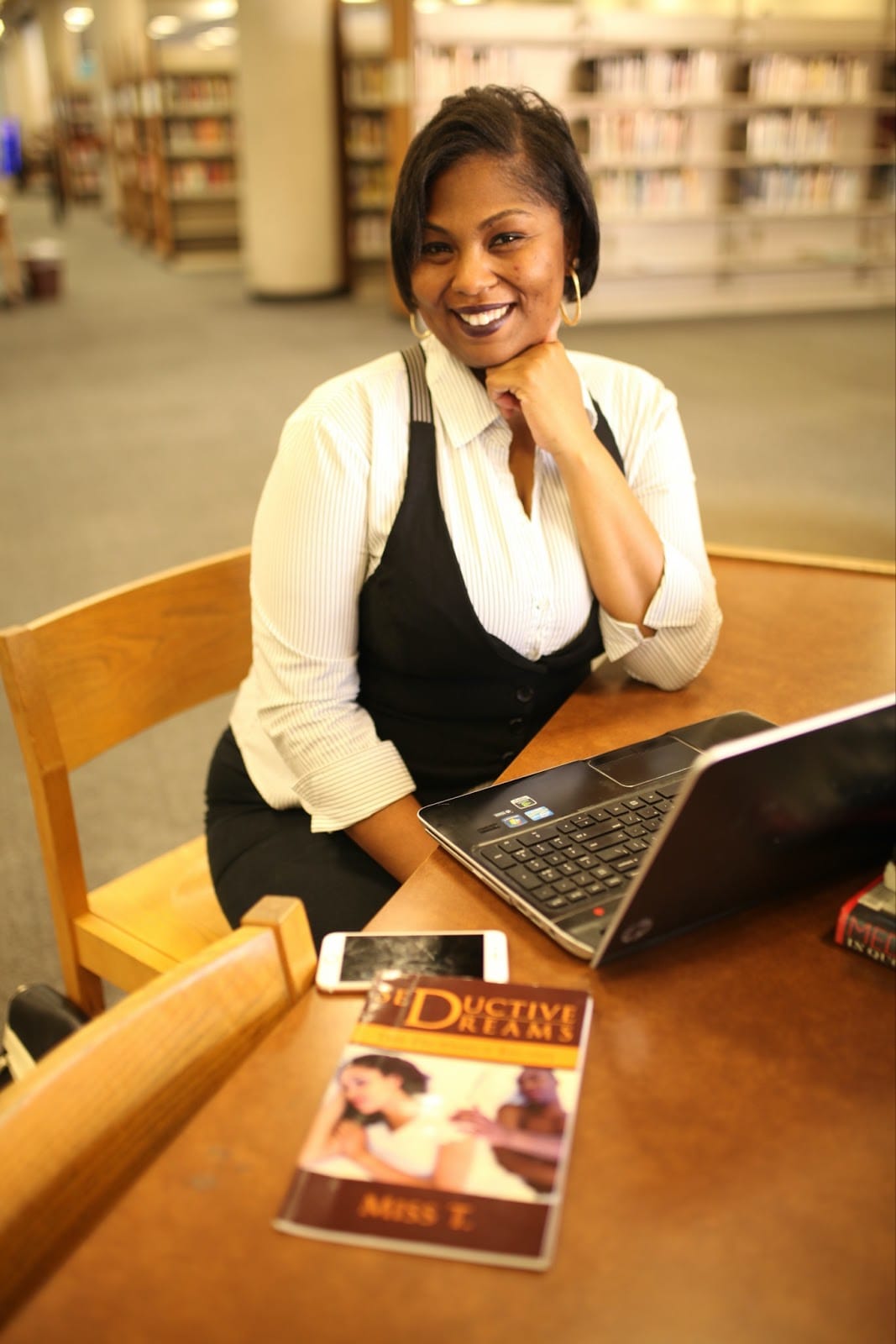
Candice and Tee believe their experience of becoming mothers would have been less traumatic if they weren’t Black. And they may well be right: Black women have the highest rate of pregnancy-related death in the US, with Alaska Native and American Indian women close behind. And that’s before we talk about the women who are left disabled, with chronic pain, traumatised or in need of serious surgery.
