

In this week's issue
- Revealed: Shadowy corporate consultancy rakes in record profits after Keir Starmer hires its former boss, who is still entitled to six-figure dividend
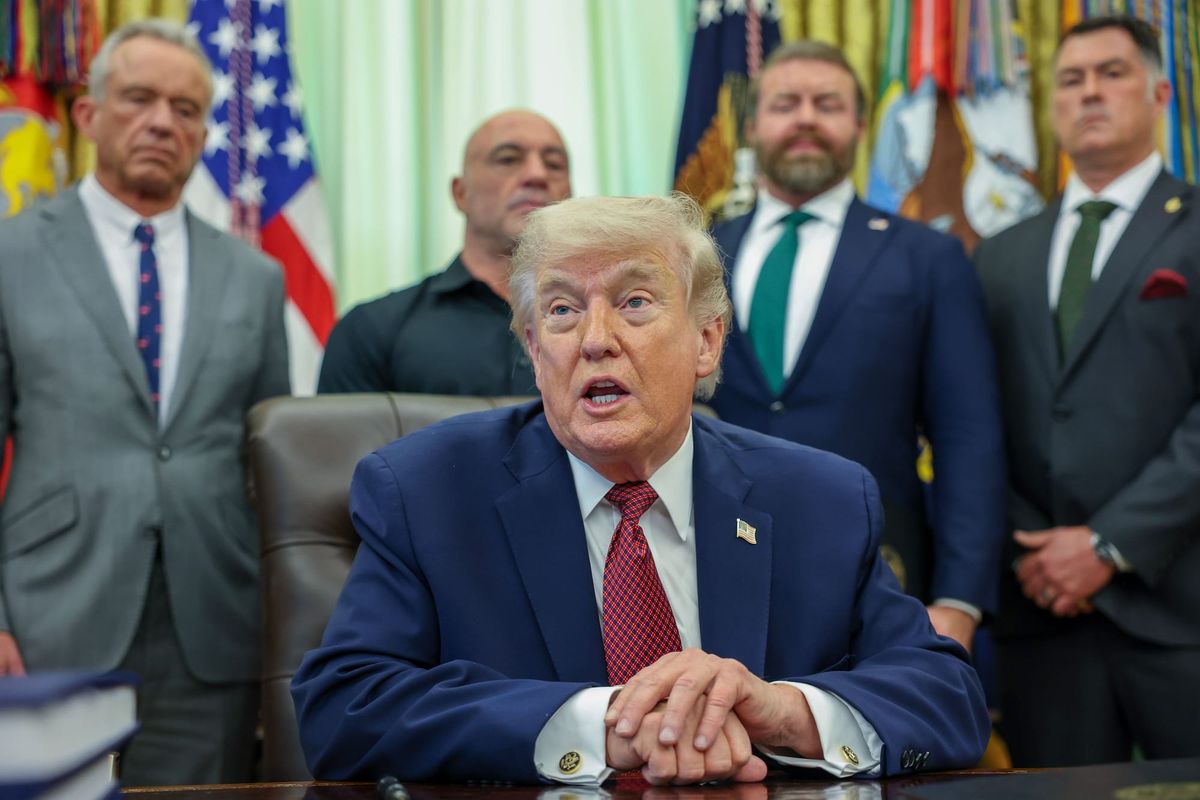
- Paul Rogers: Far from Trump’s ‘easy win’, a radicalised and resilient Iran has fought the US-Israeli alliance to a stalemate
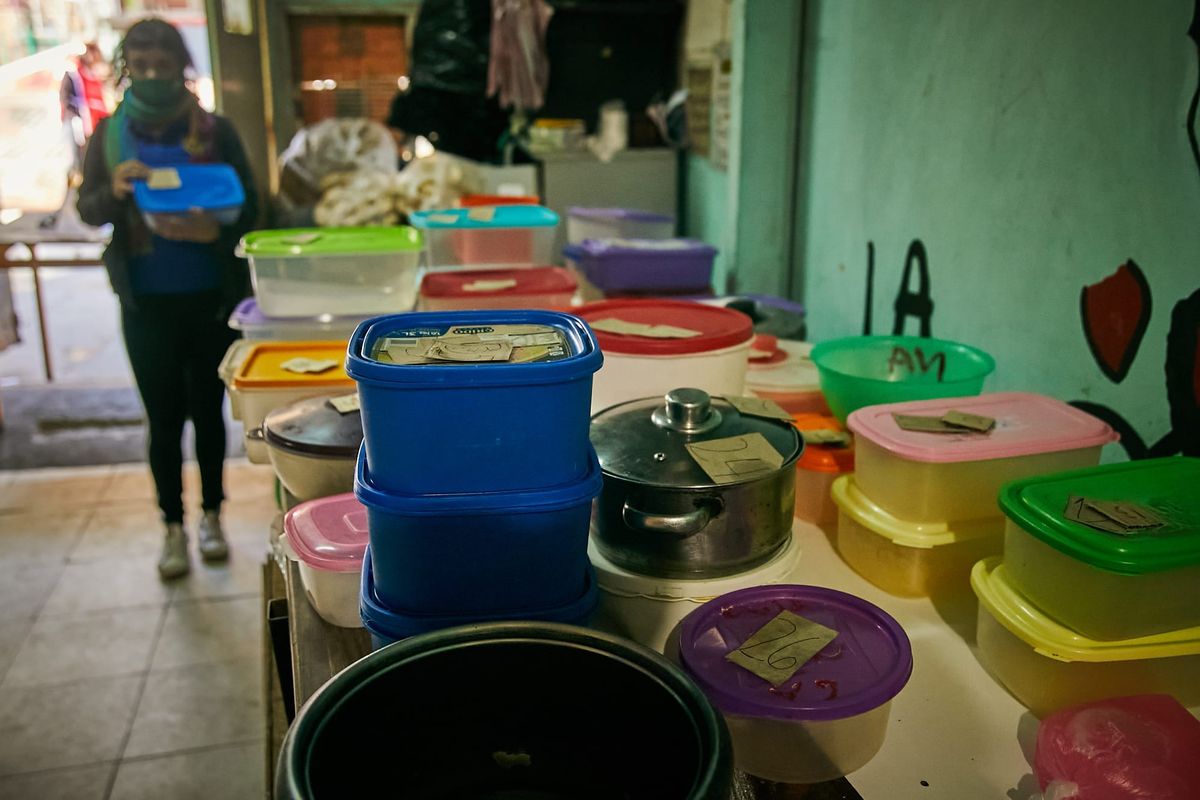
- Data suggests Milei’s government has significantly reduced poverty in Argentina. But look deeper, and the stats reveal something more sinister
- Human trafficking has no borders, so why is UK government creating a two-tier system for foreign national victims?
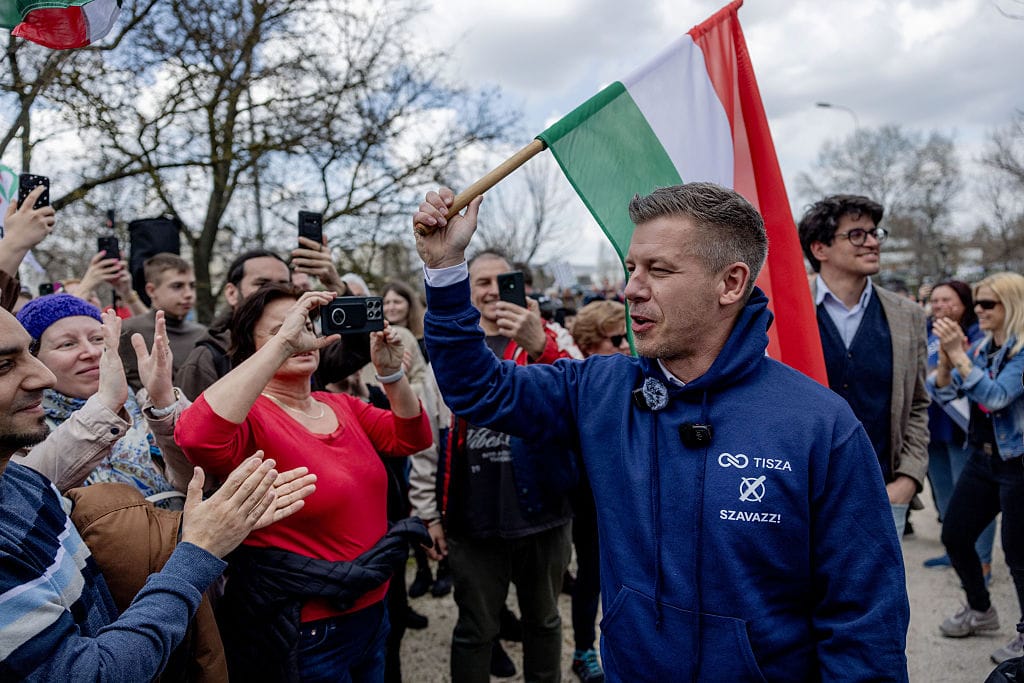
- Bernadett Sebály tracked Hungary’s resistance for years. Here’s what he thinks others can learn from Orbán’s defeat
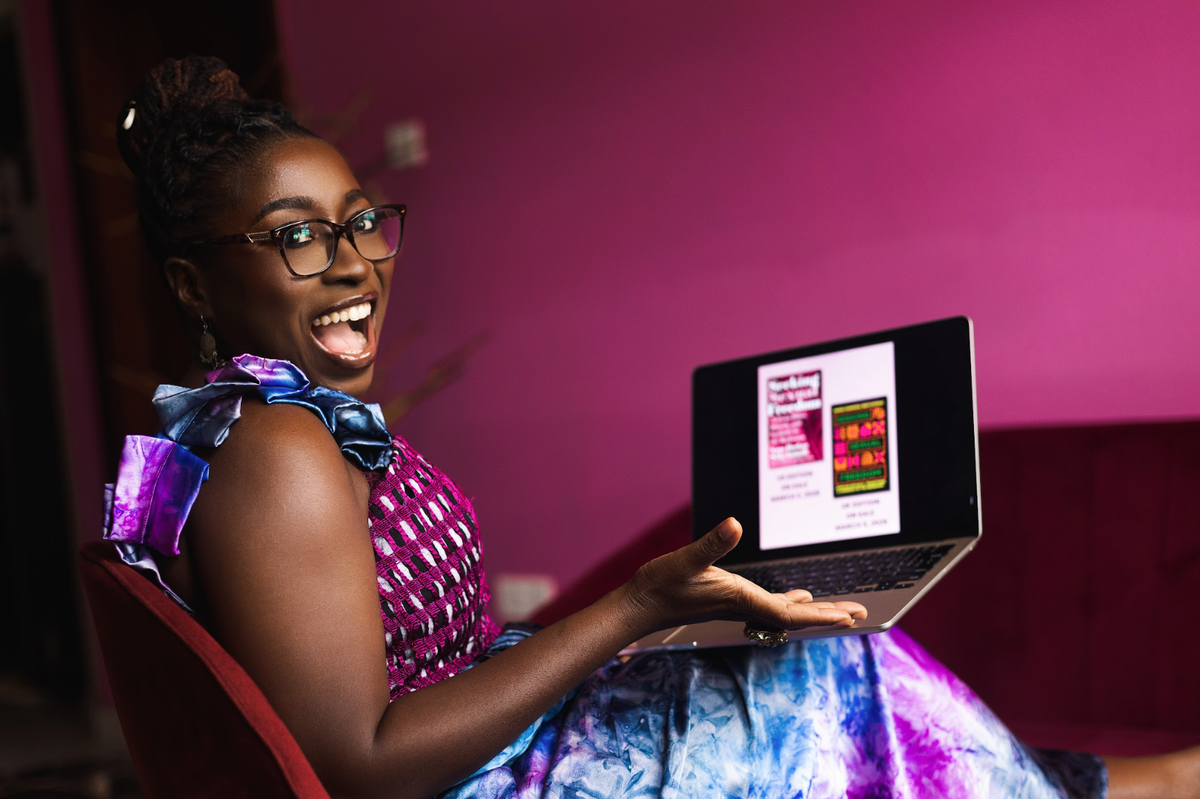
- Sex, power and backlash in Africa: An extract from Nana Darkoa Sekyiamah’s new book Seeking Sexual Freedom
- Plus, Nana Darkoa Sekyiamah tells openDemocracy what movements can learn from their own histories
- Podcast: Arthur Snell exposes the terrifying new geography of global conflict and how humanity can adapt to survive it
If you, like me, often wonder how Keir Starmer’s government scores own-goals with such frequency, read Ethan Shone’s story on the secretive intelligence firm Hakluyt & Co. in this week’s newsletter.
If Peter Mandelson is the Prince of Darkness of British Politics, Hakluyt is the Kingdom of Smoke and Mirrors. Since Labour’s win, the firm, set up by retired British spooks, has seen its top people leave for key positions in government: Olly Robbins was at Hakluyt before his catastrophic turn as Starmer’s Foreign Office chief, and its former managing partner, Varun Chandra, is still the PM’s senior-most business adviser. Over the same period, the firm’s business (as Ethan’s reporting reveals) has been booming.
Longtime openDemocracy contributor Paul Rogers continues to write incisively about the unravelling of American power in the Persian Gulf. Will Iran go down as the latest of a series of unwinnable wars for the United States? This latest column suggests that might just be the case.
In our podcast, Sian Norris interviews Arthur Snell to discuss his new book Elemental: The new geography of climate change and how we survive it.
openDemocracy’s movements’ editor, Nandini Archer, has been interviewing political activists, academics and movement leaders from around the world to understand what it takes to defend democracy. This week, she spoke with Bernadett Sebály, a political scientist at the Central European University, to unpack lessons from Péter Magyar’s surprising victory in the elections in Hungary. (Are you an activist or a progressive organiser? Write to us if there are specific perspectives or subjects you are interested in, and we’ll try to find the right person in a subsequent column.)
There is a lot more packed into this week’s edition, but I want a take a moment to share some exciting news: After several months of work behind the scenes, we have just unveiled our new website (the address remains the same) with a spruced up new layout to make it easier easier for you to access all our exciting journalism and our incredible archive of stories dating back to the early 2000s.
I’ll share more news as we continue to add features, but for now, a big thank you to each of you for your steadfast support. The new website also makes it much easier for you to become a recurring contributor to support our journalism. (Just saying!)
Aman Sethi, Editor-In-Chief
 Ethan Shone
 Paul Rogers
 Florence Evans
 Kamena Dorling
 Nandini Naira Archer
 Nana Darkoa Sekyiamah
 Nana Darkoa Sekyiamah
 In Solidarity Podcast
Weekly Poll
Will the United States and Iran reach a deal?
This week in history
The Easter Rising, Dublin
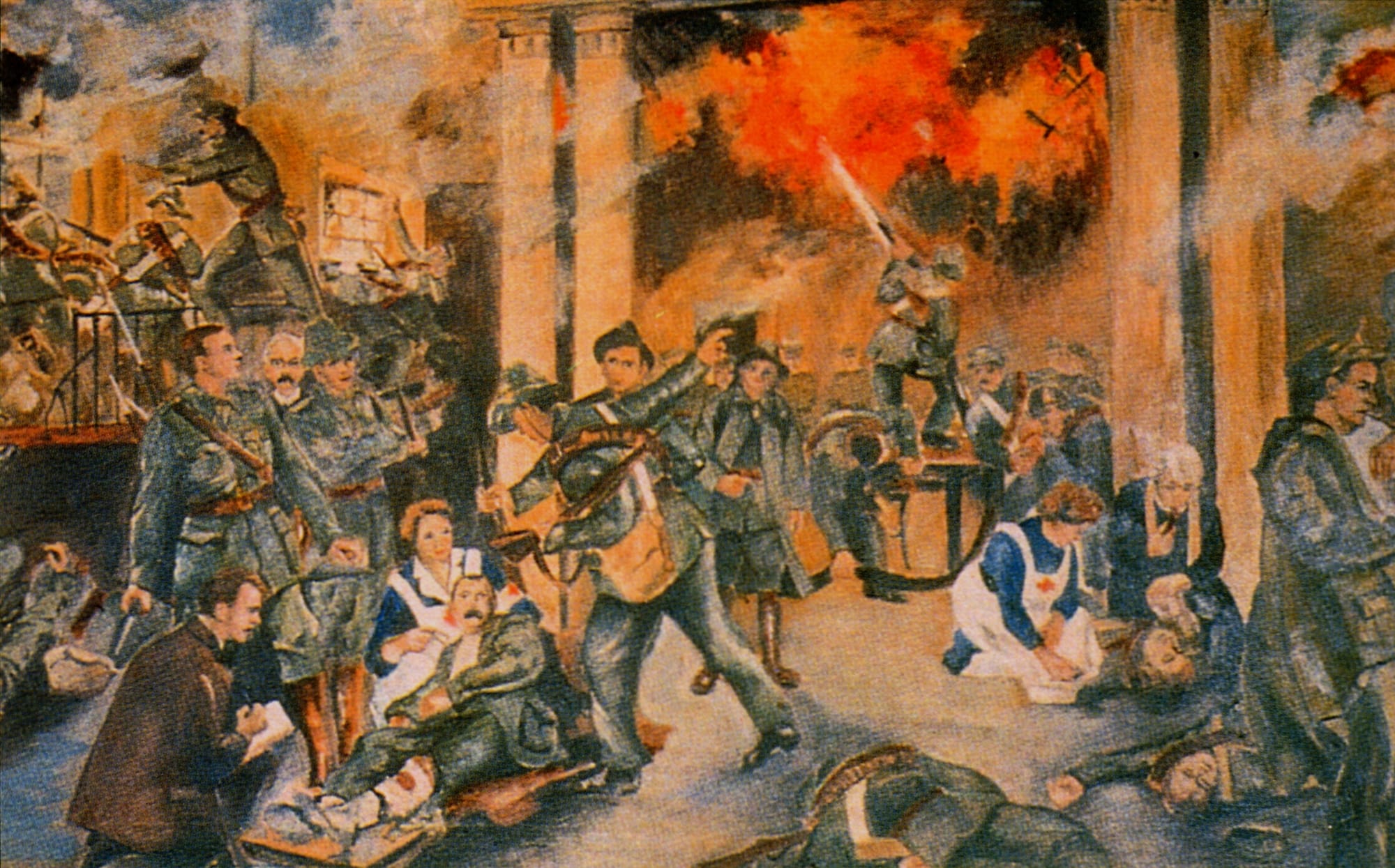
On Easter Monday, 24 April 1916, around 1,200 Irish Volunteers and Irish Citizen Army members seized key buildings in Dublin and proclaimed the Irish Republic. The Rising was quickly suppressed, but the execution of its leaders by British authorities transformed public opinion in Ireland — and made independence a mass cause. It remains one of the most studied anti-colonial rebellions in European history.
Brendan McGeever
What we're reading
Indignity, Lea Ypi
Ypi’s reimagination of her grandmother’s life is both moving and fascinating. It opens with Ypi arriving at Albania’s state archives, after a photo of her grandmother on honeymoon goes viral online. She has so many questions, not least about the struggle for memory and truth and reconciliation in a country that endured dictatorship. What follows is a fascinating retelling of her grandmother’s life, bringing in the final days of the Ottoman empire, revolutions, wars, the rise of communism, repression and authoritarianism – as well as shifting borders, and a meditation on the meaning of (in)dignity. One of those brilliant books that help you to understand a vast complex political history, but through a very personal and moving family narrative. Ypi’s previous memoir, Free, is also a must!
Sian Norris, senior investigations reporter


