

In this week’s issue
- A Trump-linked US arms firm is snapping up former UK military commanders and MoD insiders to help secure a massive £220m autonomous drone contract
- Andy Burnham’s successful campaign was bankrolled by Labour's mega-donors, corporate lobbyists, and a scandal-ridden think tank
- Angela Rayner accepted thousands in cash from a corporate advisory firm profiting off war-zone reconstruction
- Why right-wing think tanks and fossil fuel lobbies are actively paralysing the radical action needed to survive a deadly era of climate breakdown
- How extreme weather and a profit-driven supply chain are pushing the UK's fragile food system to the breaking point
- In case you missed it: How a QAnon-believing Scientologist and ‘personal friend’ of Farage hyped an “anti-woke” cryptocurrency that investors later alleged was a scam
“You will write the cover next week; it shall be scoopy and punchy and relevant!” I told openDemocracy’s investigative reporter Ethan Shone, attempting an editorial diktat.
Ethan delivered not one, not two, but three stories that fit the bill.
First up, exclusive FOI disclosures reveal the explosive growth of the US military drone company Anduril –as it is poised to cash in on the UK’s push to increase defence spending. The company counts Peter Thiel and Donald Trump Jr among its investors, at a time when Donald Trump Sr’s model seems to be: start wars, force allies to spend on defence, land mega-contracts for friends and family. Good work if you can get it.
Continuing with war and contracts, Ethan’s second story looks at Signum Advisory. The lobbying firm was recently helping its clients land deals in post-Maduro Venezuela, while courting senior MPs in the UK’s Labour Party. For now, Angela Rayner is the only Labour figure to have taken a donation from Signum, but the firm is courting many others.
The next election is only three years away, and we are determined to keep exposing Reform and prevent the rise of the far right. To do that, we want to recruit 500 paid subscribers by the end of 2026.
Will you be part of the movement to fight the far right, with a monthly donation today?
And while we are talking about donations, Ethan’s final story this week tracks how some of Starmer’s biggest financial backers moved to support Andy Burnham in the run-up to him entering No 10. Labour may be fickle, but capital plays the long game.
Also in this edition, we continue our series on the UK and the climate crisis. “Why are we sleepwalking towards disaster in this way when it simply does not make sense?” asks Paul Rogers in his weekly column. “Food is a climate issue, and a democratic one” notes Lucy Antal, founder of Queen of Greens Mobile Greengrocer, which supplies fresh produce to communities in Liverpool.
In case you missed it last week, senior investigative reporter Sian Norris published a joint investigation with The Times which raises important new questions about Nigel Farage’s controversial allies – and his judgement.
You may remember I recently told you about our campaign to add 500 new regular donors to openDemocracy by the end of the year. The good news is, we have welcomed 120 new members – but we still have a long way to go. Help us hit our goal by becoming a regular supporter if you aren’t one already.
Have a great weekend,
Aman Sethi, Editor-in-Chief
 Ethan Shone
 Ethan Shone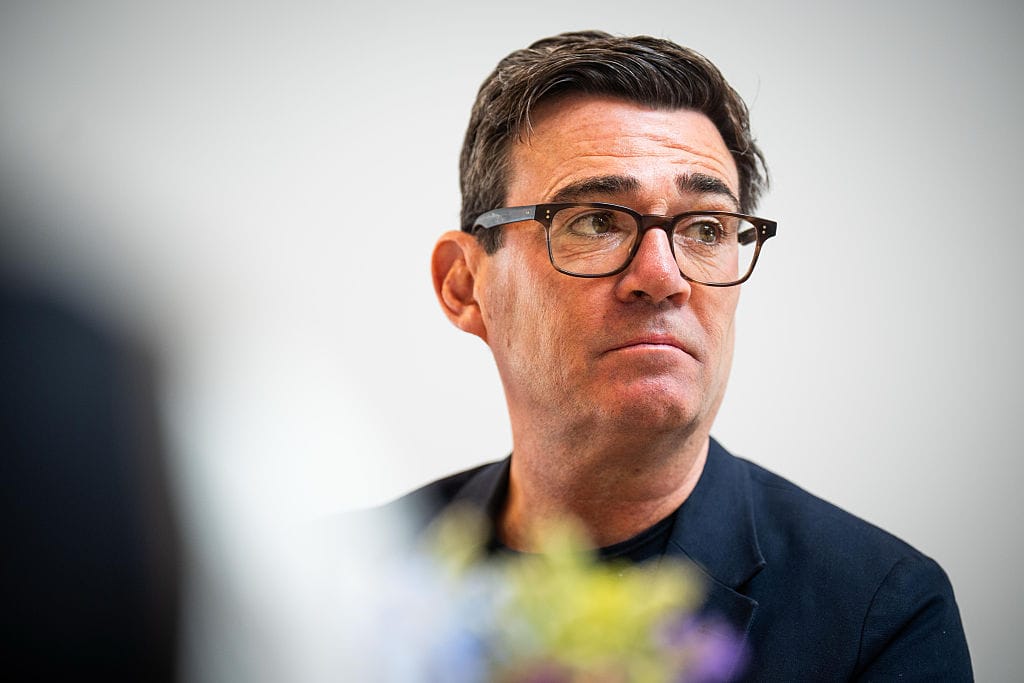
 Ethan Shone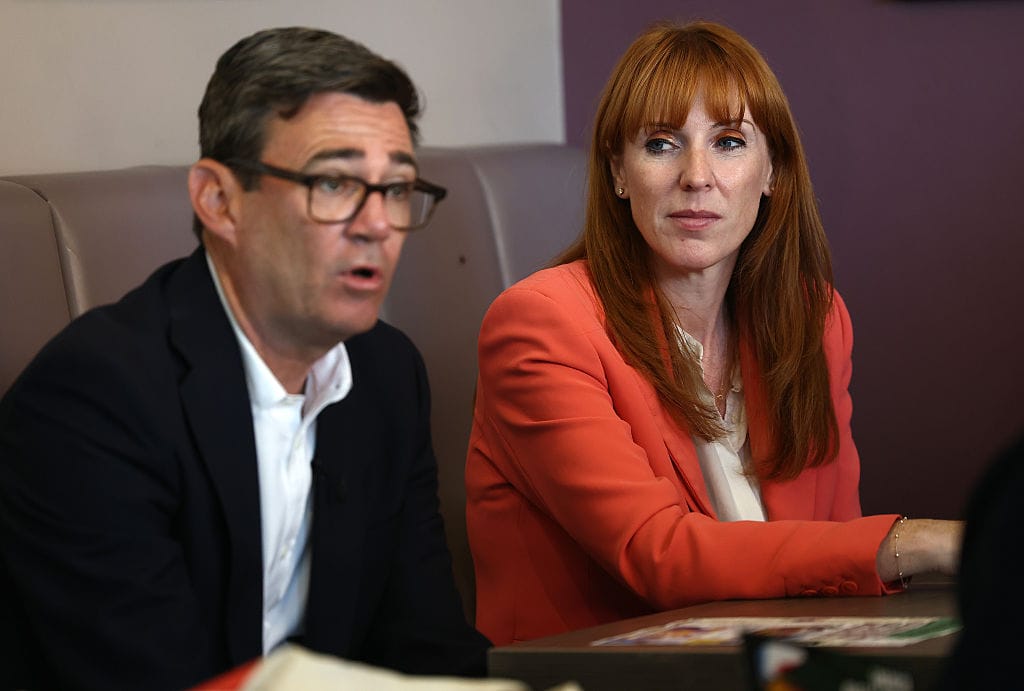
 Paul Rogers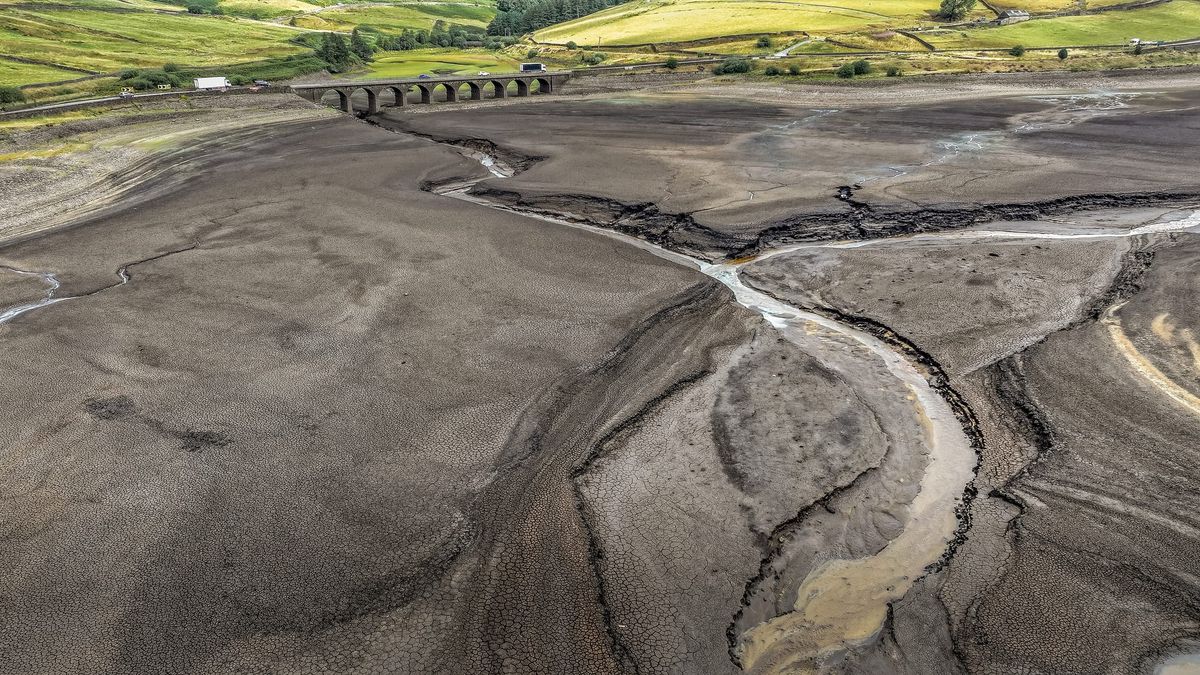
 Lucy Antal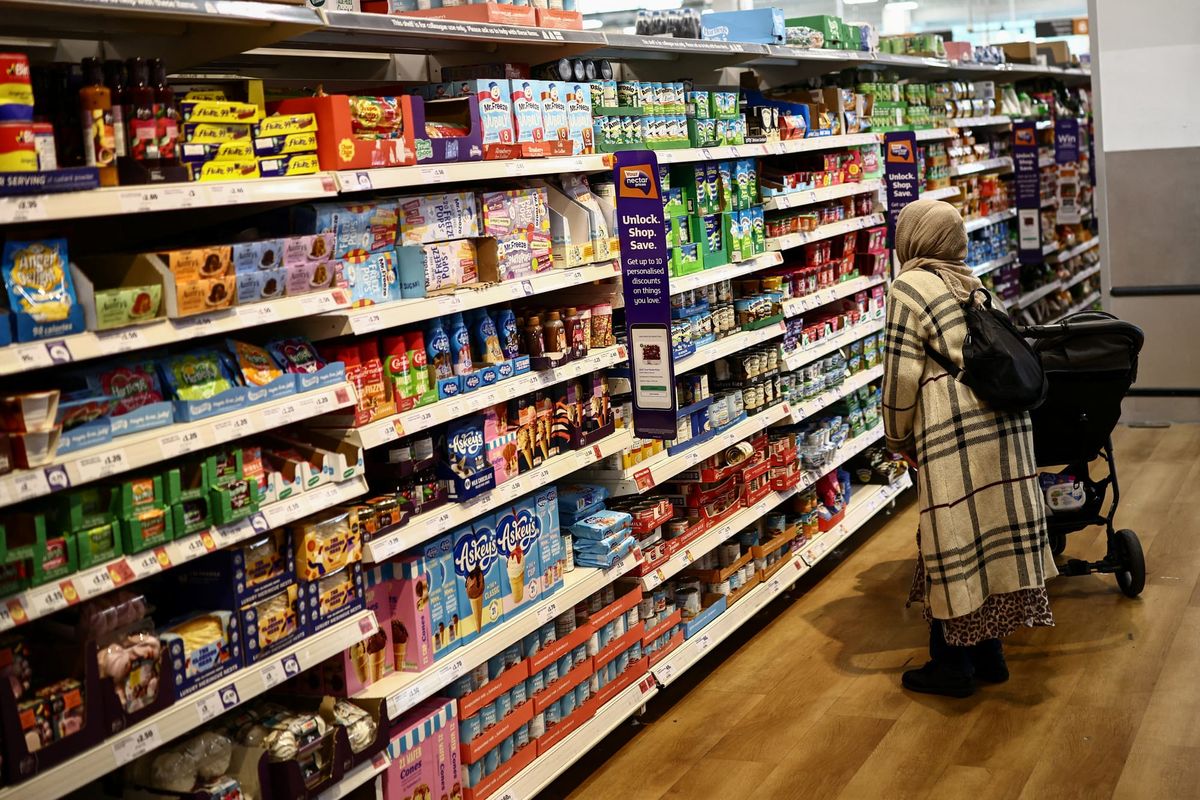
 Sian Norris
Weekly Poll
The Met Office says this year's El Nino event will be the strongest in a century. Do you feel your country is prepared for its impact?
THIS IS THE FIRST EPISODE OF OPENDEMOCRACY'S NEW NARRATIVE NON-FICTION AUDIO SERIES, "HOW TO FIND QUEER ELDERS", an alternative history of queerness on the continent at a time when over 13 African countries (including Ghana) are passing increasingly harsh anti-LGBTQI laws. It is a touchstone for queer people around the world to know that there is hope and they are not alone. The first episode is published in collaboration with Radio Workshop.
Reader Comments
openDemocracy receives so many carefully considered messages about our work that it seems a shame to keep them to ourselves.
These comments are edited for clarity, accuracy and length, and are not a reflection of openDemocracy's editorial position.
Farmers have some very difficult decisions to make and urgently need government to be a partner they can believe in and trust. This is far from where we are.
Similarly, many farmers are not likely to be able to make the changes needed to their management of land and need to consider how to transfer land to those who can. This is not because they are bad farmers, but rather because they are old, or otherwise have limited capacity for change. Investment in inappropriate production systems needs to be written off, to open the way to more adapted practices.
The government appears very slow to realise the seriousness of the problem and even when DEFRA officials do have a grasp on the situation, they have so little support from the Treasury to develop meaningful long term strategies.
Simply allowing farm gate food prices to rise will exasperate food poverty and unless matched with planning and investment, will not deliver the food needed. This is a very complex problem that requires real leadership to give confidence to all involved. Farm planning at water catchment level involves the kind of collaboration that is cultural anathema to most farmers. We need another agricultural revolution.
Franklin | Re: England is burning: We must fix our fragile food system
This week in history
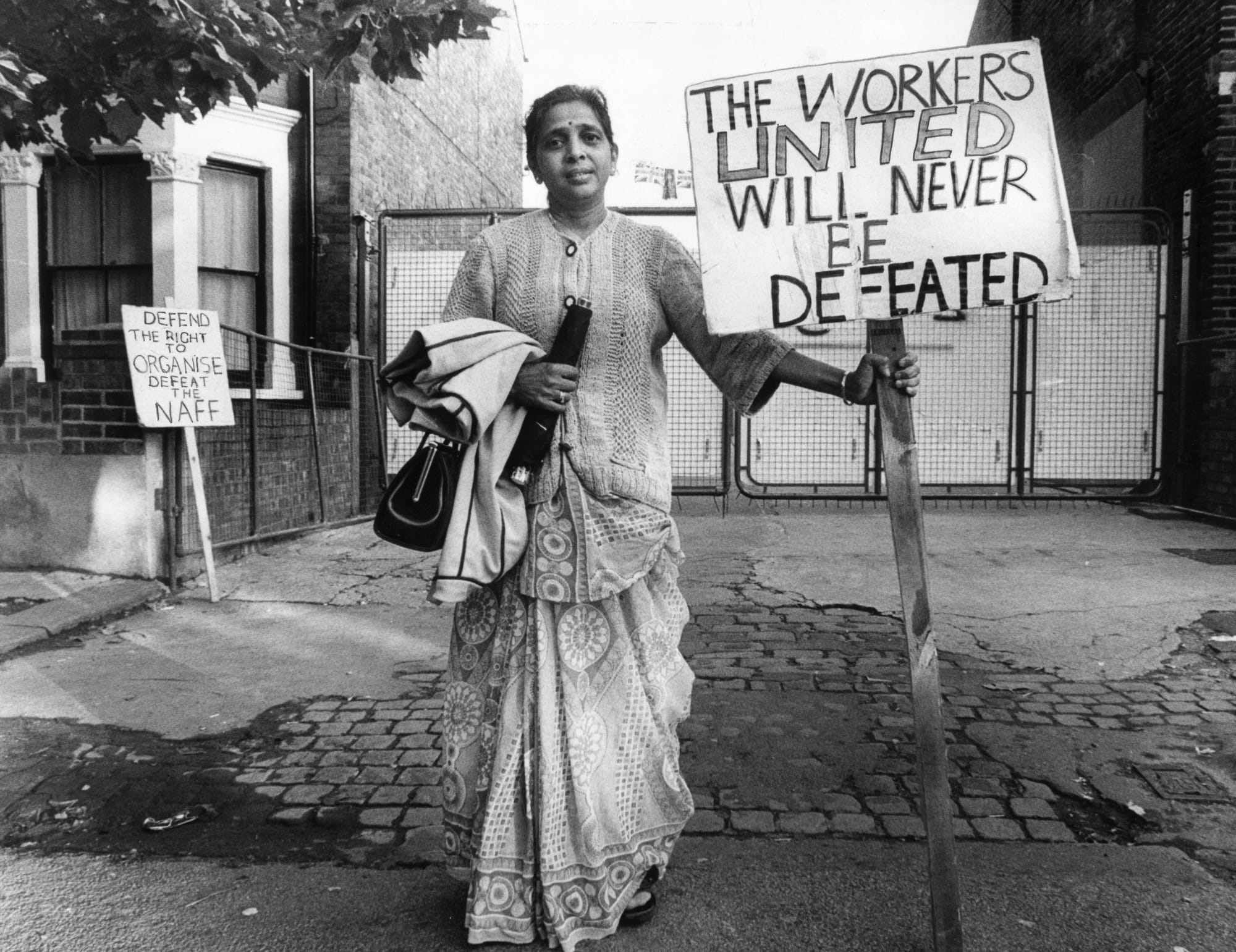
The Grunwick Strike • 23 August 1976
South Asian women workers at the Grunwick film processing plant in North London walked out in August 1976, demanding trade union recognition. Their strike brought mass pickets of 20,000 miners, steelworkers and postal workers to Willesden. It was the first time immigrant workers were seen as part of the British working class.
From our archive comes a retrospective that places the Grunwick strikers in the context of British immigration history, trade union politics, and the ongoing struggle for migrant workers' rights.
 Sujata Aurora
What we're reading
Betrayal, Luke Harding
Opening with a gripping story of how two North Korean prisoners of war were captured in Kursk, Guardian journalist Luke Harding’s latest book plunges the reader into the heart of Russia’s full-scale invasion of Ukraine, and how Trump’s regime has betrayed its allies.
Few UK journalists know Ukraine as well as Harding. His reporting has taken him to the trenches, where he talks to soldiers in command centres operating drones, to frontline cities where vulnerable families face daily bombardment from Russian missiles, even to the Mariinskyi palace to interview Zelenskiy.
But the war – and the book – goes beyond Ukraine’s borders. Harding asks smart questions about Trump’s fascination with Putin, taking the reader to the ghastly Alaska summit and reflecting on MAGA’s own imperial ambitions over Greenland. There is justified anger here: Harding writes how Putin and Trump share a “pattern of folly and imperial hubris [...] arrogance and assumption.” He explores what Russia’s alliances with China, Iran and North Korea mean for those nations, and how this age of conquest puts the world on a tipping point between violence and imperialism, versus human rights and democracy.
Crucially, Harding never loses sight of the human stories at the heart of this conflict: the mum trying to keep her daughter warm in 2025’s freezing winter, the soldier mourning a comrade, the elderly man displaced from his home. Betrayal is one of the most important books published this year, and I urge you to read it.
Sian Norris, senior investigations reporter


