

In this week’s issue
- India’s Cockroach protests have shown the power of youth-led dissent, forcing a major concession from Modi’s authoritarian regime
- Nigel Farage’s Reform UK is quietly cosying up to City lobbyists and corporate giants to help write its future government manifesto
- How a convicted fraudster spun a Balkan web of offshore shell companies, illicit crypto-ATMs, and financial subterfuge to bankroll Reform UK’s elite
- Imprisoned Palestine Action activist warns her barrister’s prosecution sets chilling precedent intended to stop lawyers defending protesters
- Secret documents expose a covert Russian disinformation campaign in Bolivia
- How a UK-registered crude oil pipeline triggered a ruthless wave of military-backed land grabs in Uganda
- US Christians have a language problem – and it’s alienating the people needed to save democracy
- President Milei’s austerity is driving a mental health emergency in Argentina, pushing vulnerable citizens and a decimated public health system to breaking point
- A Ukrainian activist shares a survivor’s harrowing story of trauma and loss under Russian occupation
In India, where I’m from, much of the country marks the new year in mid-March, with August marking a moment of respite before gearing up for the September harvest and the start of the festive season. Since moving to the UK in the “swirling polar vortex” of 2022, I’ve come to believe that maybe my ancestors were on to something. Despite what the calendar says, August is the true midpoint of the year.
So it is on the last bank holiday of the summer, we are taking a moment at openDemocracy to reflect on everything we’ve done this year, and all we need to do in the months ahead. This week’s newsletter is a collection of long reads for your long weekend. These are stories from India, Ukraine, Uganda, Bolivia, the US, Argentina, Montenegro and, of course, the UK, which we published this year but you may not have had the chance to read as yet. So settle in and take your time with this week’s newsletter, and keep coming back to it over the course of the long weekend.
In autumn, the UK’s newest prime minister will have to explain how he’s going to pay for all his promises, the US president will find out just how popular his party is, Brazil will find out if it has moved on from its most recent brush with authoritarianism, Ukraine and Russia will dig in for another freezing winter of conflict. As the days grow shorter, we will learn just how intense this year’s El Niño effect will be, what (if anything) AI will do next, if the regime in Cuba will persist, if we can stop thinking about the Strait of Hormuz.
The next election is only three years away, and we are determined to keep exposing Reform and prevent the rise of the far right. To do that, we want to recruit 500 new monthly donors by the end of 2026. We've welcomed 120 so far – but we still have a long way to go
Will you be part of the movement to fight the far right, with a monthly donation today?
But we can get into all that from Tuesday; this weekend find the time to rest, reflect and recuperate. Kick back and pour yourself another coffee, have that long breakfast, read the book we recommend, or maybe just take a nap.
A big thank you to the new members who signed up last week. Thanks to you, we are well on track to hit our target of 500 new members by December. If you aren’t yet a regular donor, do consider becoming one.
Have a great weekend
Aman Sethi, Editor-in-Chief
 Aman Sethi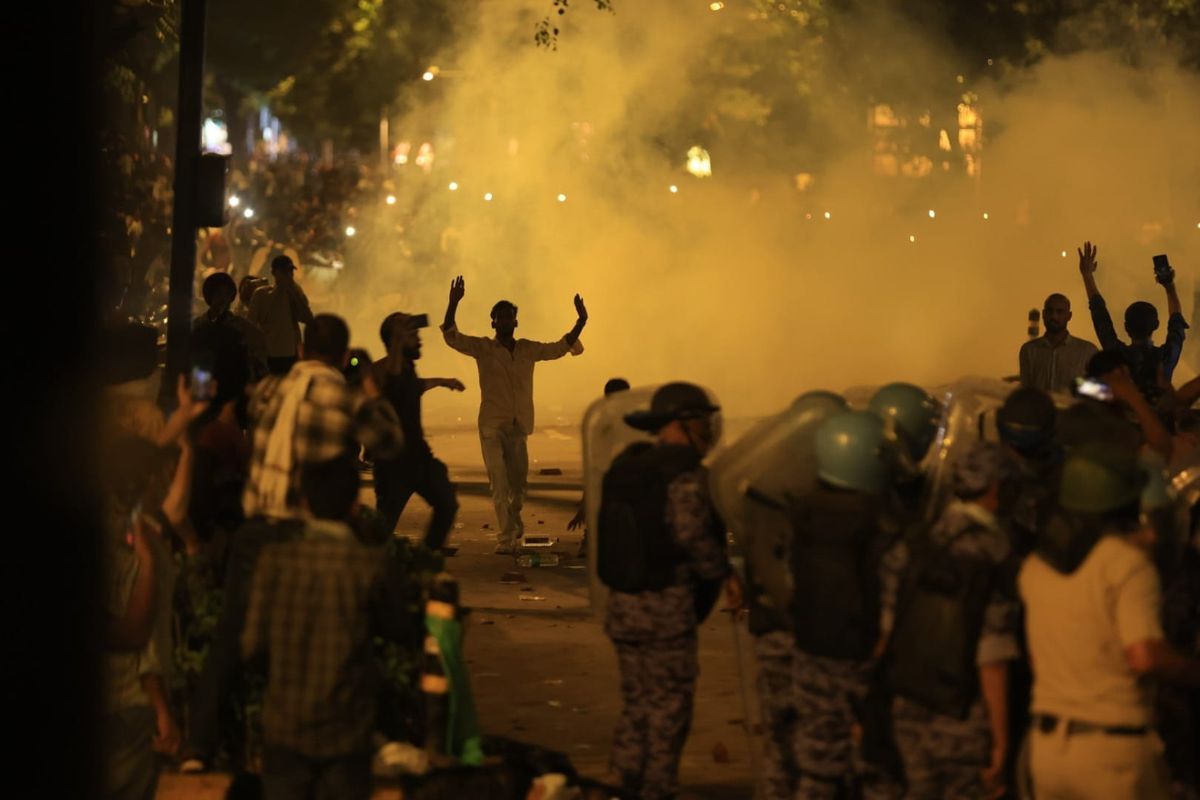
 Ethan Shone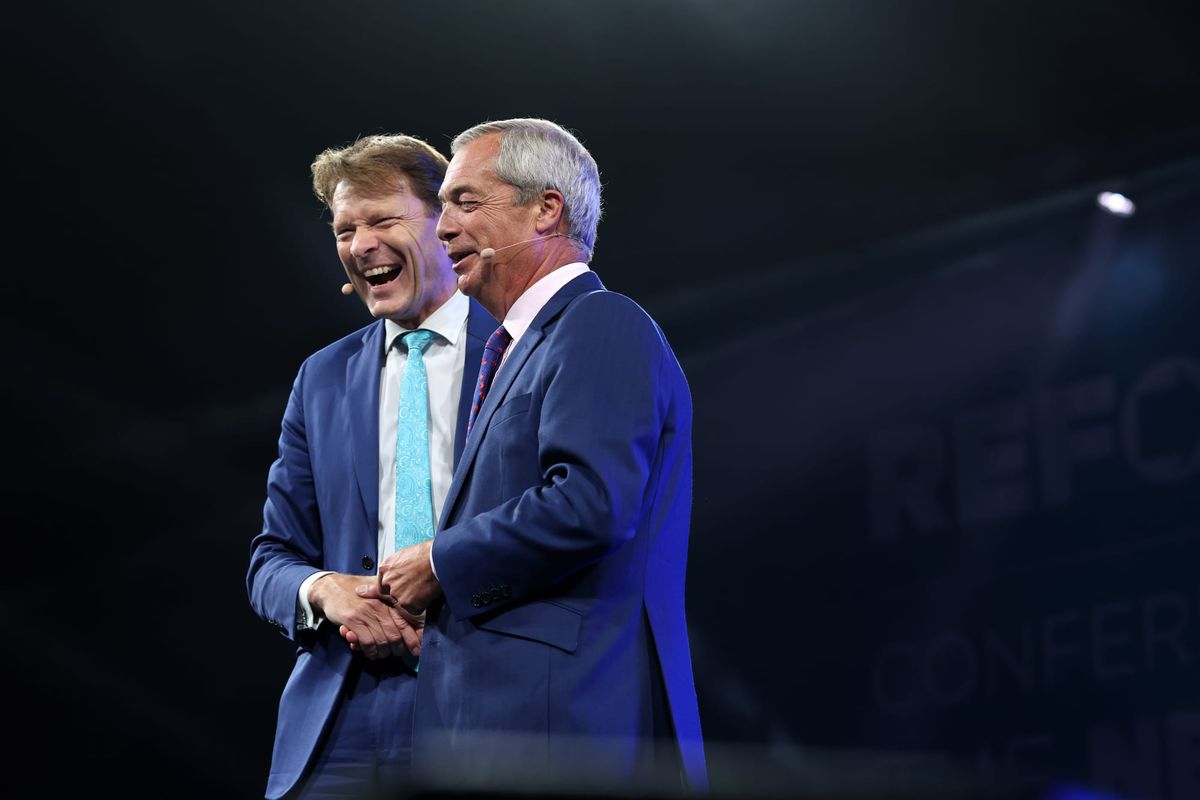
 Sian Norris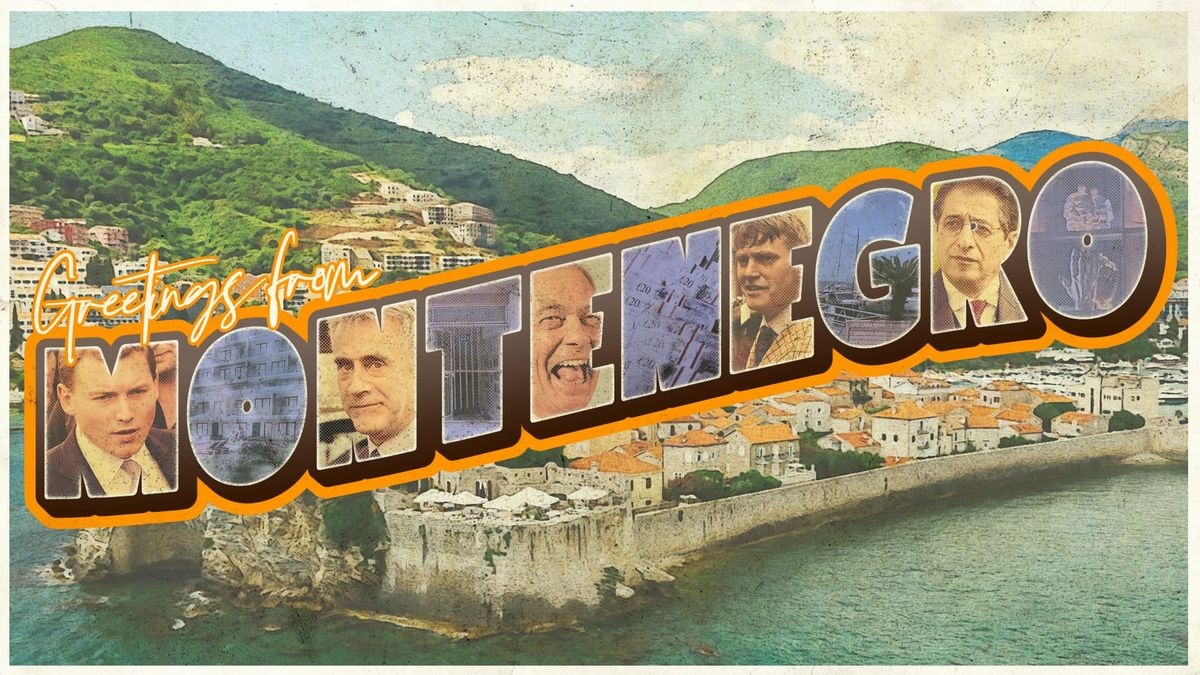
 Charlotte Head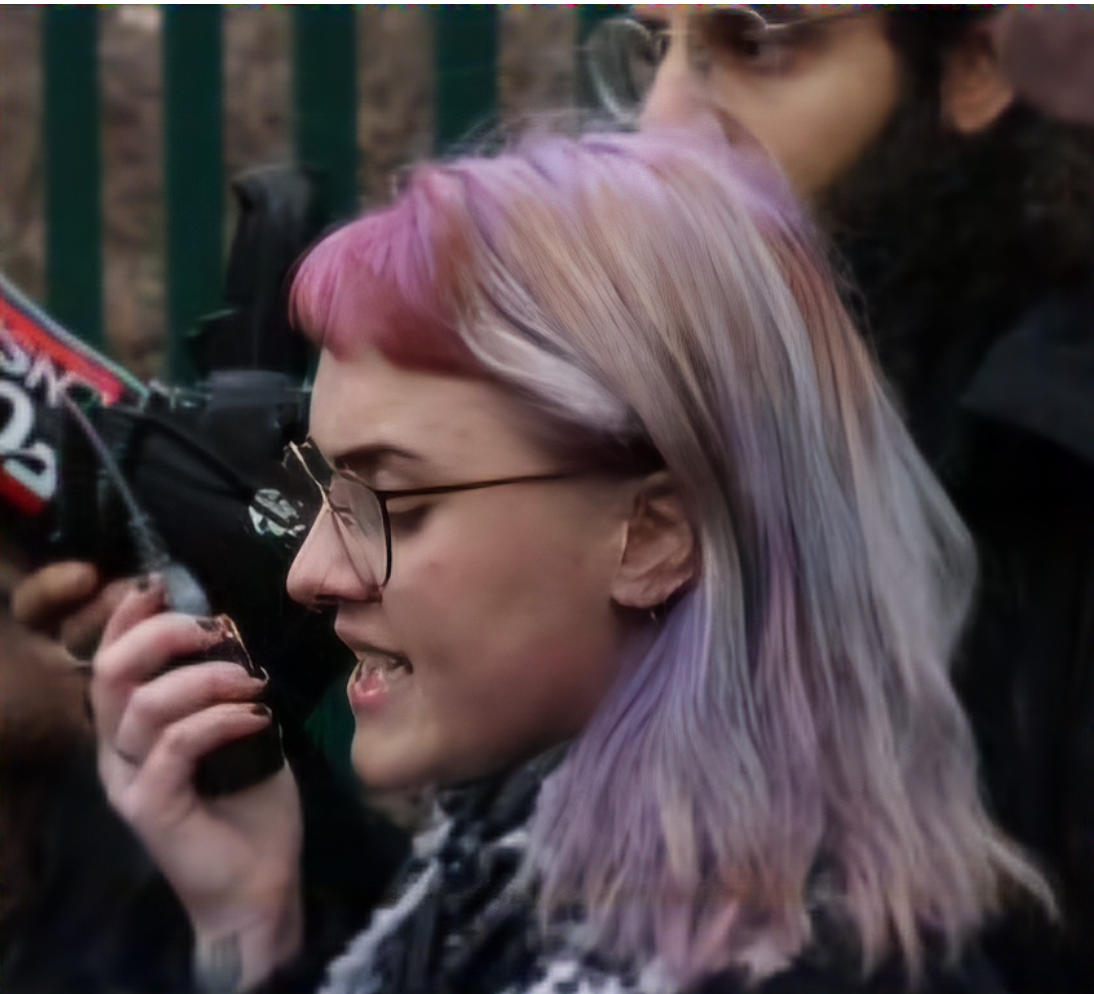
 Diana Cariboni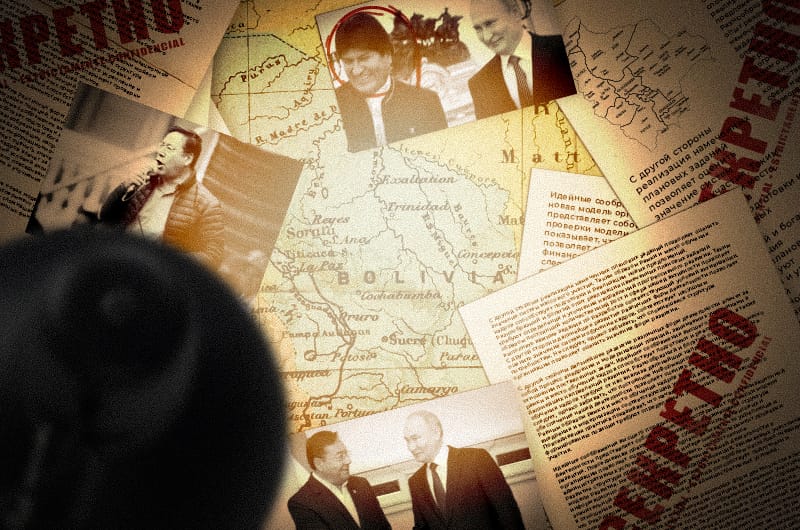
 Anonymous author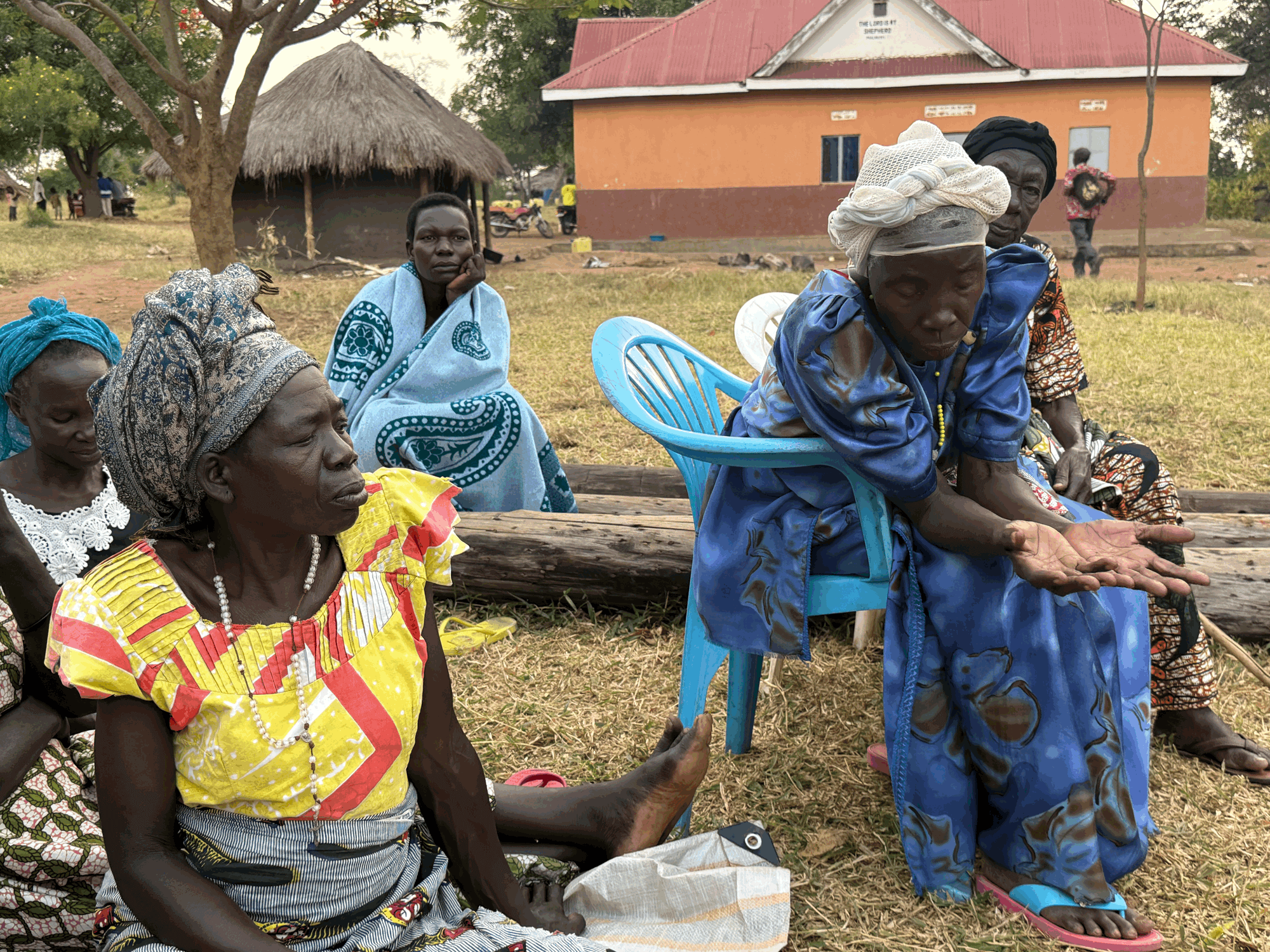
 Chrissy Stroop
 Angelina de los Santos
 Vera Ukrainskaya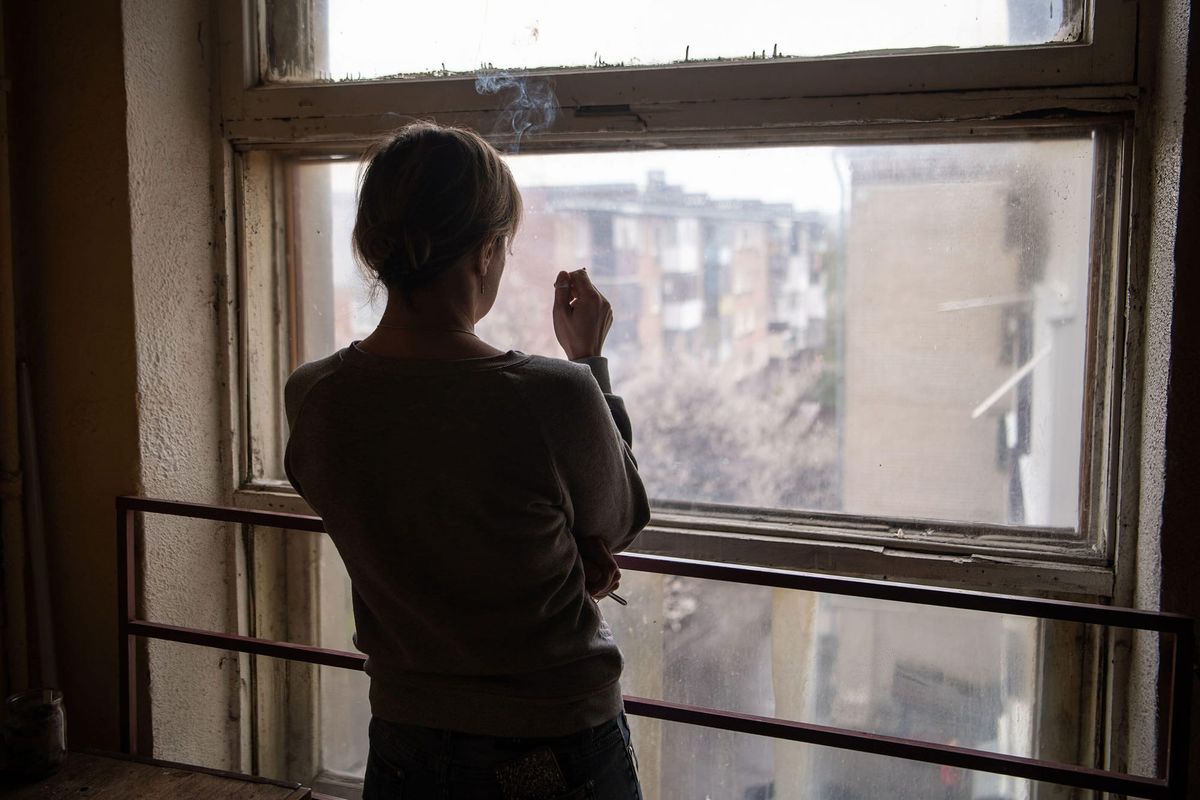
Weekly Poll
What would you like to see more of from openDemocracy this year?
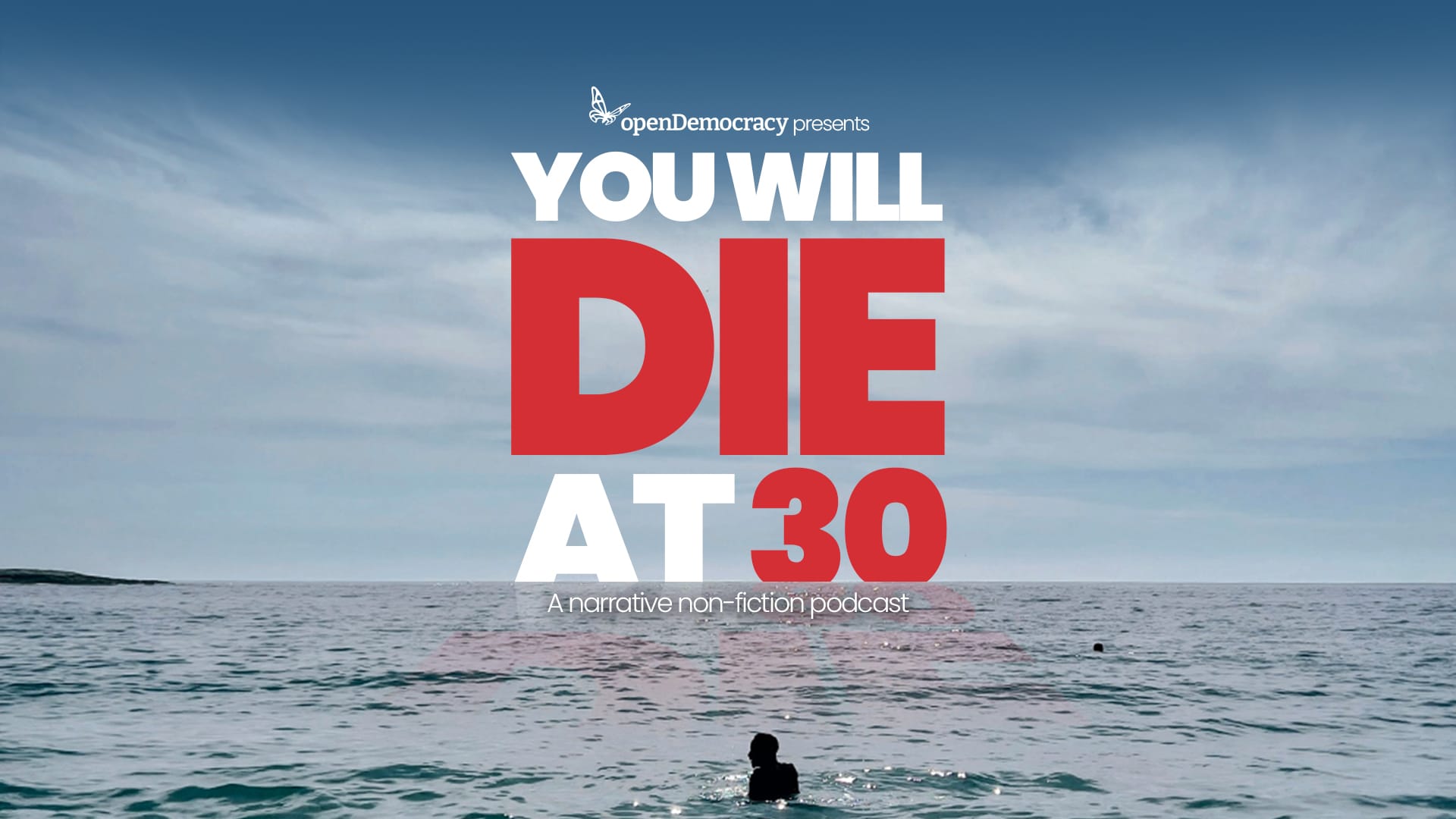
This is the first episode of openDemocracy’s new narrative non-fiction audio series, How to Find Queer Elders, an alternative history of queerness on the continent at a time when over 13 African countries are passing increasingly harsh anti-LGBTIQ laws. It is a touchstone for queer people around the world to know that there is hope and they are not alone. The first episode is published in collaboration with Radio Workshop.
Reader Comments
openDemocracy receives so many carefully considered messages about our work that it seems a shame to keep them to ourselves.
These comments are edited for clarity, accuracy and length, and are not a reflection of openDemocracy's editorial position.
"Political violence – is on the rise in democracies".... because citizens know that they have no agency to effect change. Voting makes no difference, diff faces, identical policies, no change. In the case of Mourdaunt, the threats are a function of that reality. She remains a member of a far right political party whose policies since 2010 have led to the avoidable deaths of hundreds of thousands of people. Some contrition would be in order. There is none. As for the death threats etc, these only give her a platform to whine (as a victim), they & the other stuff should not me made - because they are counter productive and divert attention away from the evils committed by the Tories (and the on-going nonsense by tory-lite - Labour).
MikeParr | Re: How we twist political violence to self-defence
This week in history
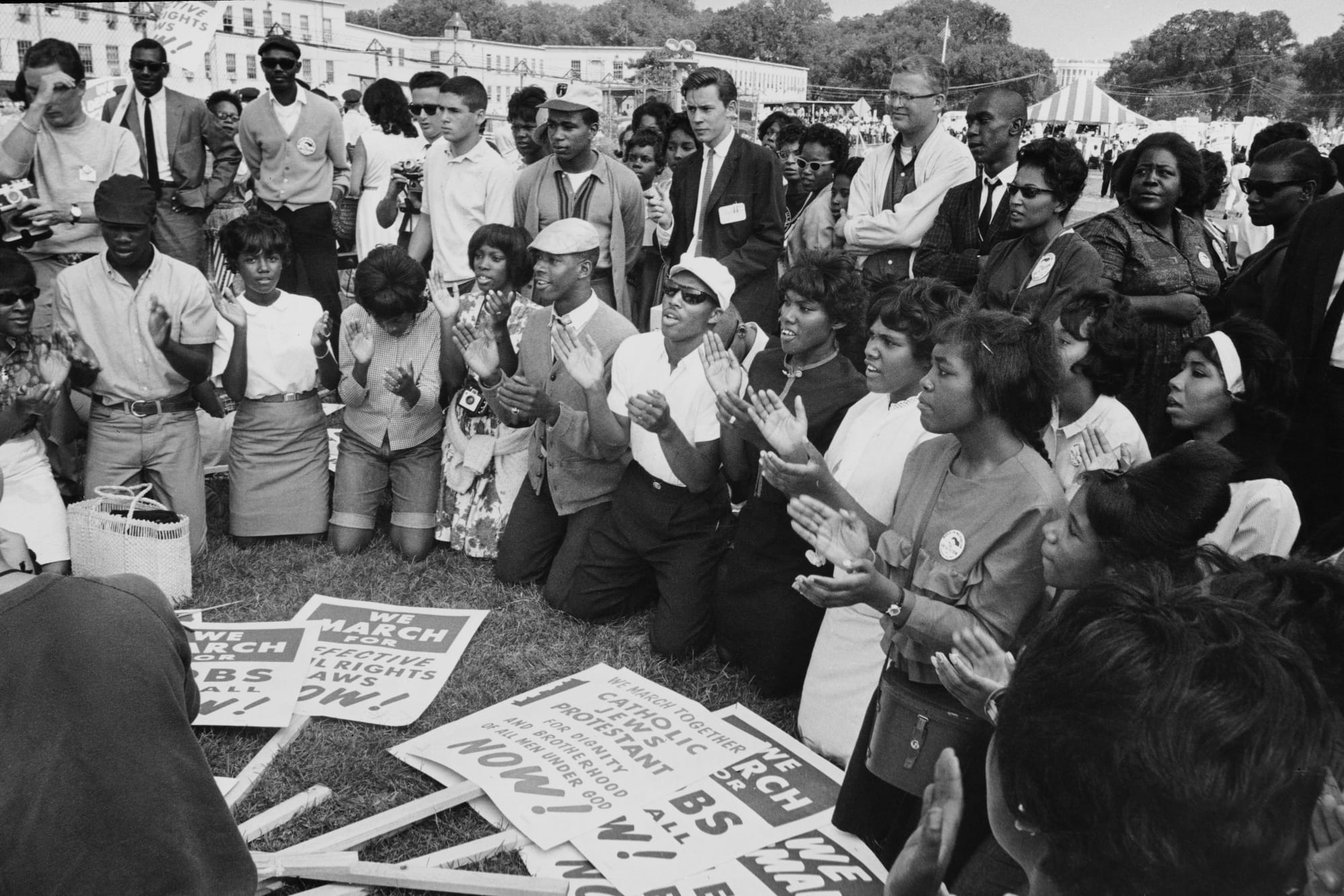
The March on Washington • 28 August 1963
On 28 August 1963, 250,000 people marched on Washington DC for "jobs and freedom." Martin Luther King delivered his "I Have a Dream" speech. The march was the largest political demonstration in American history to that point. Less remembered is that it was organised by Bayard Rustin, a gay Black socialist who had been marginalised within the movement and that its central demand was for economic equality alongside civil rights.
 Steven Parfitt
What we're reading
Betrayal, Luke Harding
Opening with a gripping story of how two North Korean prisoners of war were captured in Kursk, Guardian journalist Luke Harding’s latest book plunges the reader into the heart of Russia’s full-scale invasion of Ukraine, and how Trump’s regime has betrayed its allies.
Few UK journalists know Ukraine as well as Harding. His reporting has taken him to the trenches, where he talks to soldiers in command centres operating drones, to frontline cities where vulnerable families face daily bombardment from Russian missiles, even to the Mariinskyi palace to interview Zelenskiy.
But the war – and the book – goes beyond Ukraine’s borders. Harding asks smart questions about Trump’s fascination with Putin, taking the reader to the ghastly Alaska summit and reflecting on MAGA’s own imperial ambitions over Greenland. There is justified anger here: Harding writes how Putin and Trump share a “pattern of folly and imperial hubris [...] arrogance and assumption.” He explores what Russia’s alliances with China, Iran and North Korea mean for those nations, and how this age of conquest puts the world on a tipping point between violence and imperialism, versus human rights and democracy.
Crucially, Harding never loses sight of the human stories at the heart of this conflict: the mum trying to keep her daughter warm in 2025’s freezing winter, the soldier mourning a comrade, the elderly man displaced from his home. Betrayal is one of the most important books published this year, and I urge you to read it.
Sian Norris, senior investigations reporter


