

This month's splinters:
Copy and paste
by Christos Tombras
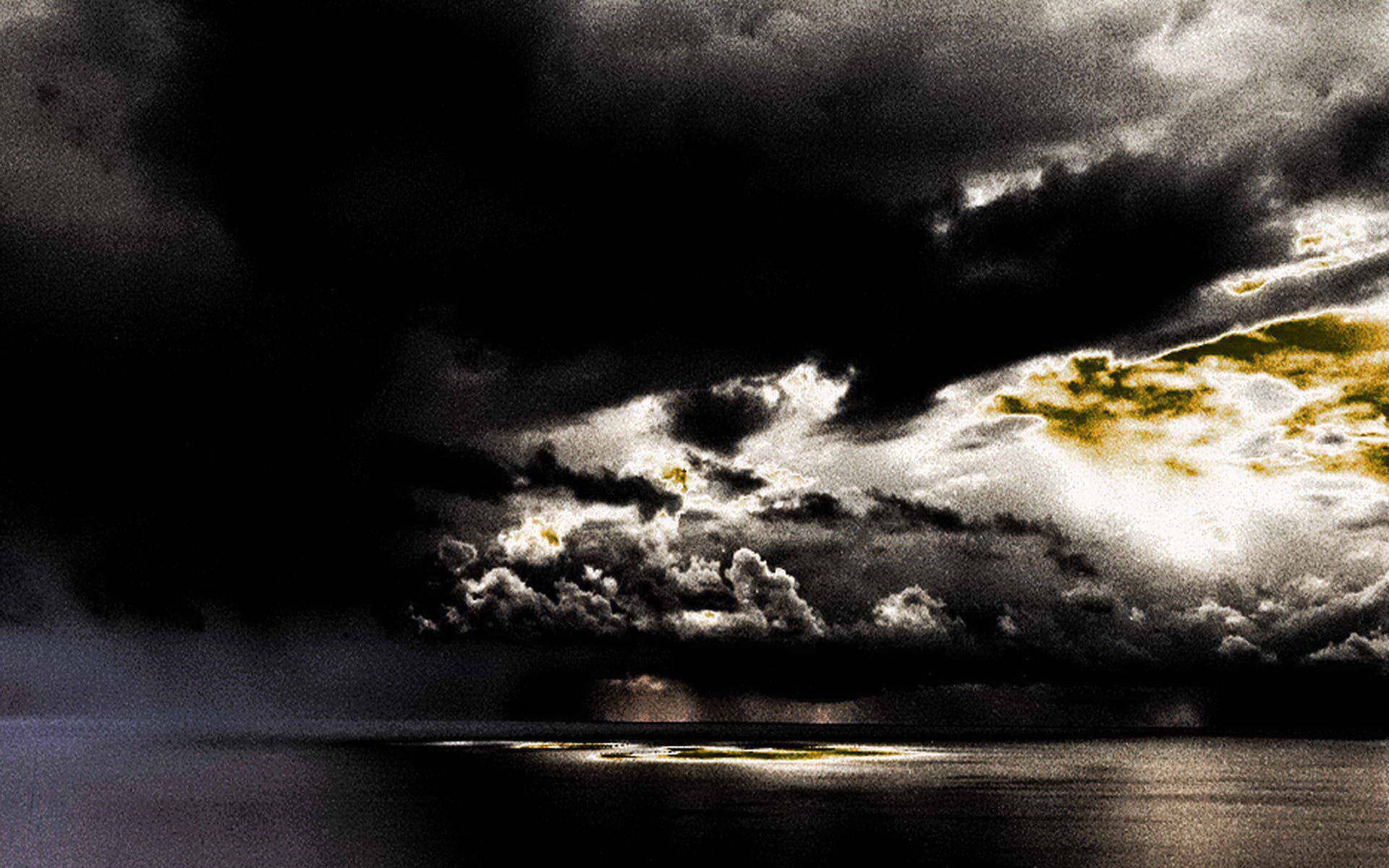
“Tell me something”, my friend Patrick said the other day. We were walking in the park near his house. “That’s a beautiful sunset, isn’t it?” Indeed it was. I watched him as he pulled out his camera to take a picture.
“I was just wondering,” he said while checking the pictures he took. “What is it that makes a sunset beautiful? Would it still be beautiful if there was no one around to witness it?”
“You know, this sounds suspiciously like the other thing they say, about the sound of a falling tree if there is no one around to hear it.”
“Yes, I know”, Patrick said. “But that was not my point.”
“I don’t know”, I said. “The answer to the question whether a sunset is beautiful seems to depend on whether there are beings around for whom the question makes sense. It’s not a witness that makes it beautiful, but the potential existence of a witness.”
“This is exactly what I thought”, Patrick said. We remained silent for a moment or two. “And what about when they say that a sunset is so beautiful that it could have been a work of art?”
“I guess that you can only say that a sunset is as beautiful as a work of art if you can consider it on its own.”
“‘On its own’? What do you mean?” Patrick said.
“You need to isolate it from its surroundings. You need to put a frame around it, just as you did earlier with the camera. You need to freeze time, to put the scene in brackets. It’s only then that you can think of it as a work of art, when you can use copy-and-paste, so to speak.”
“Copy-and-Paste? I don’t usually think of my pictures as copy-and-paste”, he laughed. “But regardless: what about if you just experience it and then, later, you bring it to mind at will?”
“That’s exactly what I mean”, I said.
