

This week saw the Labour Party descend on Liverpool for its annual conference – the party’s third since taking office. Accompanying them, thanks to the donations of generous openDemocracy readers, were my colleagues, Ethan Shone and Sian Norris.
The conference was, by all accounts, a far more jubilant affair than last year’s event; buoyed by Andy Burnham’s bloodless coup earlier this summer and the poll boost that comes from having a leader who appears even vaguely human.
As Ethan writes, even many of those on Labour’s long-ostracised left felt they had renewed reason to be cheerful. “Keir Starmer saw any criticism from the trade unions and the left as a hostile attack,” one trade unionist told Ethan after Burnham’s speech, “whereas Burnham sees us more as critical friends.”
Not everybody agrees, of course. Burnham’s refusal to embrace nationalisation is one source of contention, as is his plan to scrap the pensions triple lock. Writing for us, economist James Meadway explains why the latter is a bad idea – and one unlikely to generate the money it promises. “For all the relative protection from austerity, the British state pension remains among the lowest in Europe relative to average earnings,” he notes.
The next election is only three years away, and we are determined to prevent the rise of the far right. To do that, we want to recruit 500 new monthly donors by the end of 2026.
Will you be part of the movement to fight the far right, with a monthly donation today?
Still, for now, Burnham has been broadly able to appease both sides of the party. But, as Ethan writes in this week’s lead story, tensions still simmer under the surface – and were this week exposed by the conference’s geography. Inside, a security-gated maze of £6,600 corporate passes, complimentary bars, and slick lobbyists. Outside, protesters were dragged away by police for holding paper signs. Whose interests will win out when capital comes calling?
After a busy few days in Liverpool, Sian and Ethan caught up with openDemocracy’s editor-in-chief, Aman Sethi, for a special Labour Party Conference episode of our podcast, In Solidarity. Both brought back reports of their differing experiences of the event, from panels on how to defeat the far-right to the prevalence of robot-lobbyists (that's lobbyists for robots, not robots that lobby, fortunately).
Also in this edition, Sian reports on a warning that Putin “won’t stop at Ukraine”; longtime openDemocracy columnist Paul Rogers takes a deeper look at the confusing incident at RAF Fairford; and Guilherme Klein discusses what’s at stake in this weekend’s election in Brazil.
As ever, thank you for supporting our journalism; we truly couldn’t have done this week without your donations. If you aren’t yet a regular donor, do consider becoming one. Have a great weekend!
Indra Warnes - Deputy Editor
 Ethan Shone
 Ethan Shone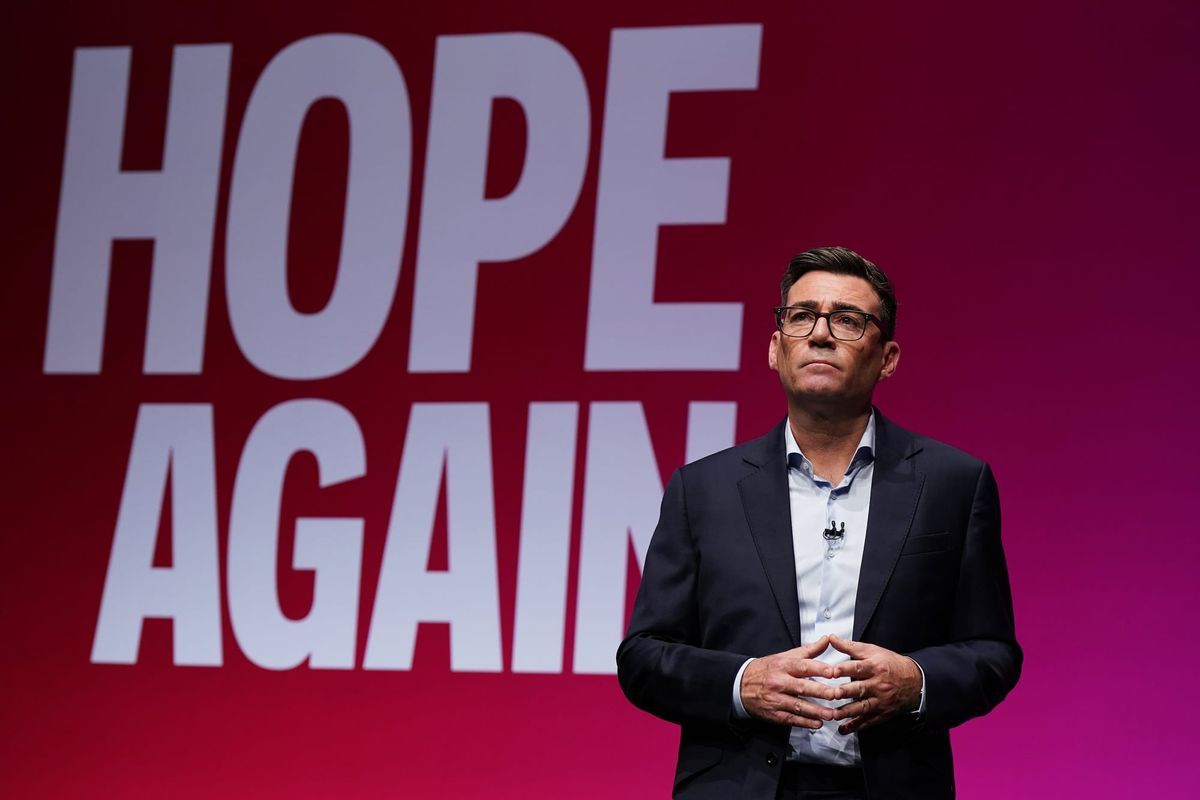
 James Meadway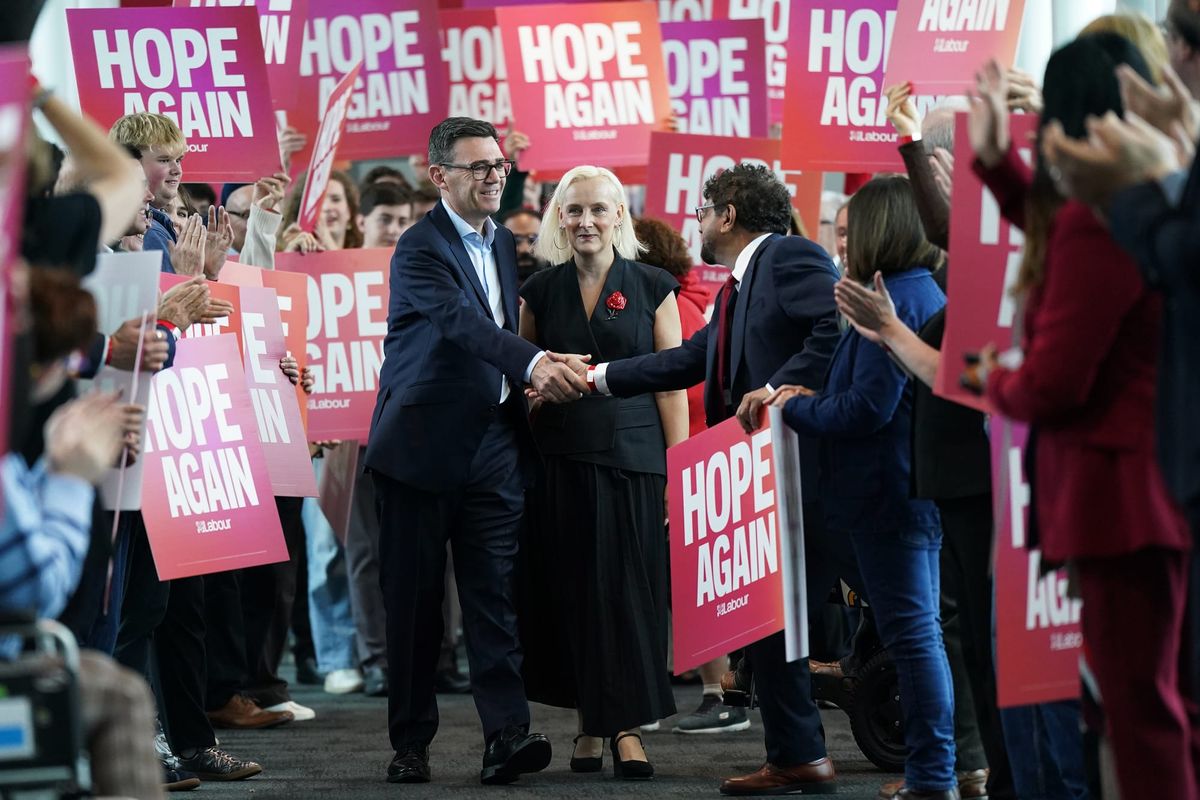
 Sian Norris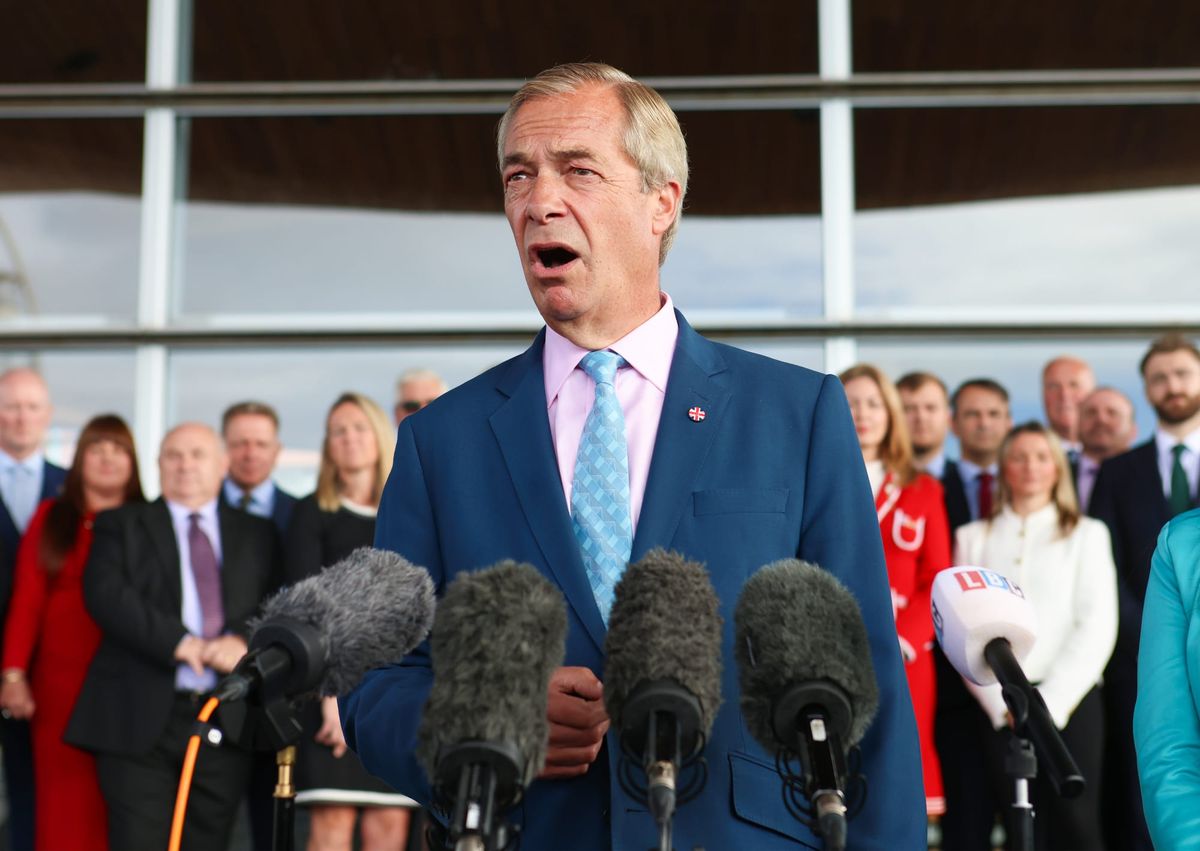
 Sian Norris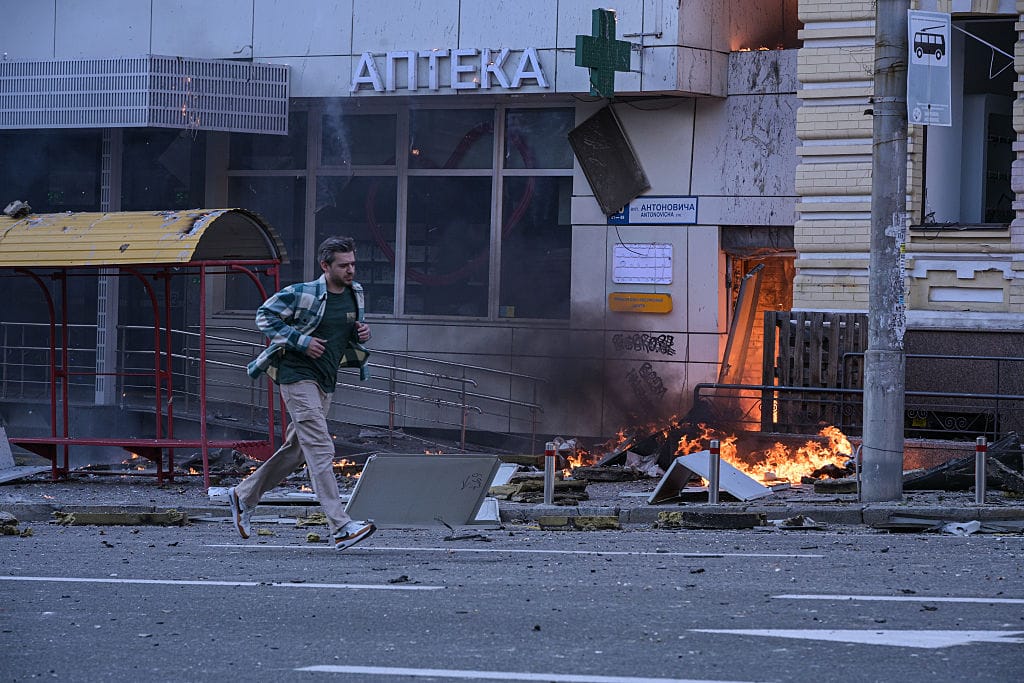
 Aman Sethi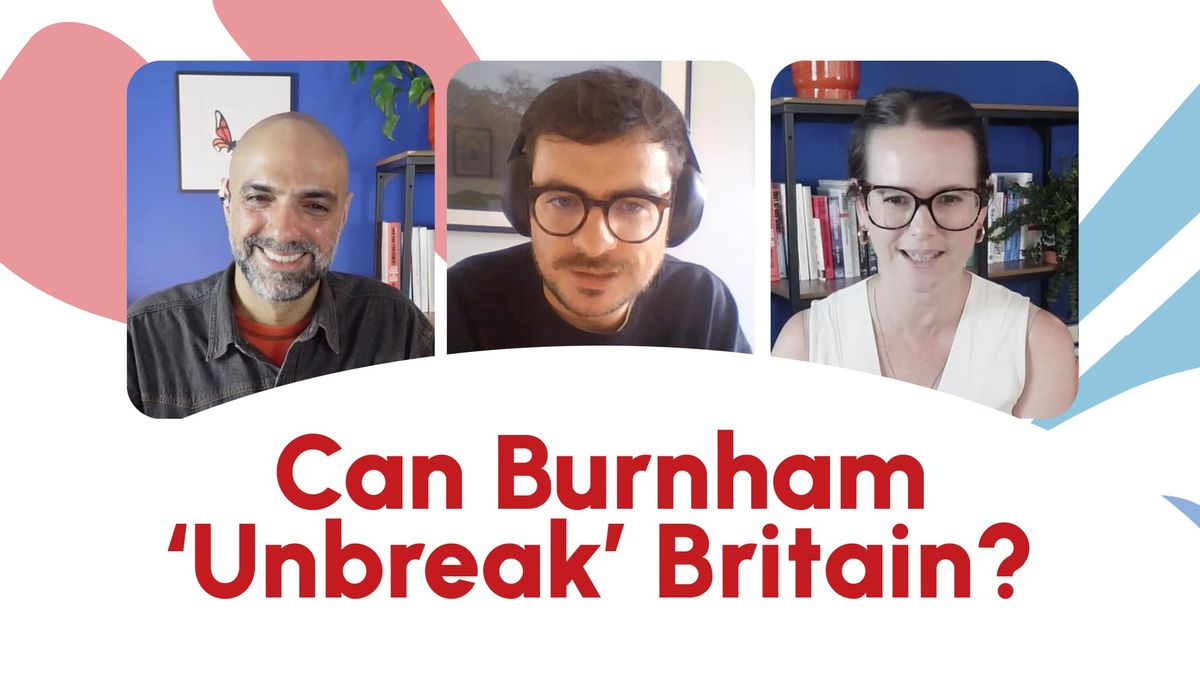
 Guilherme Klein
 Paul Rogers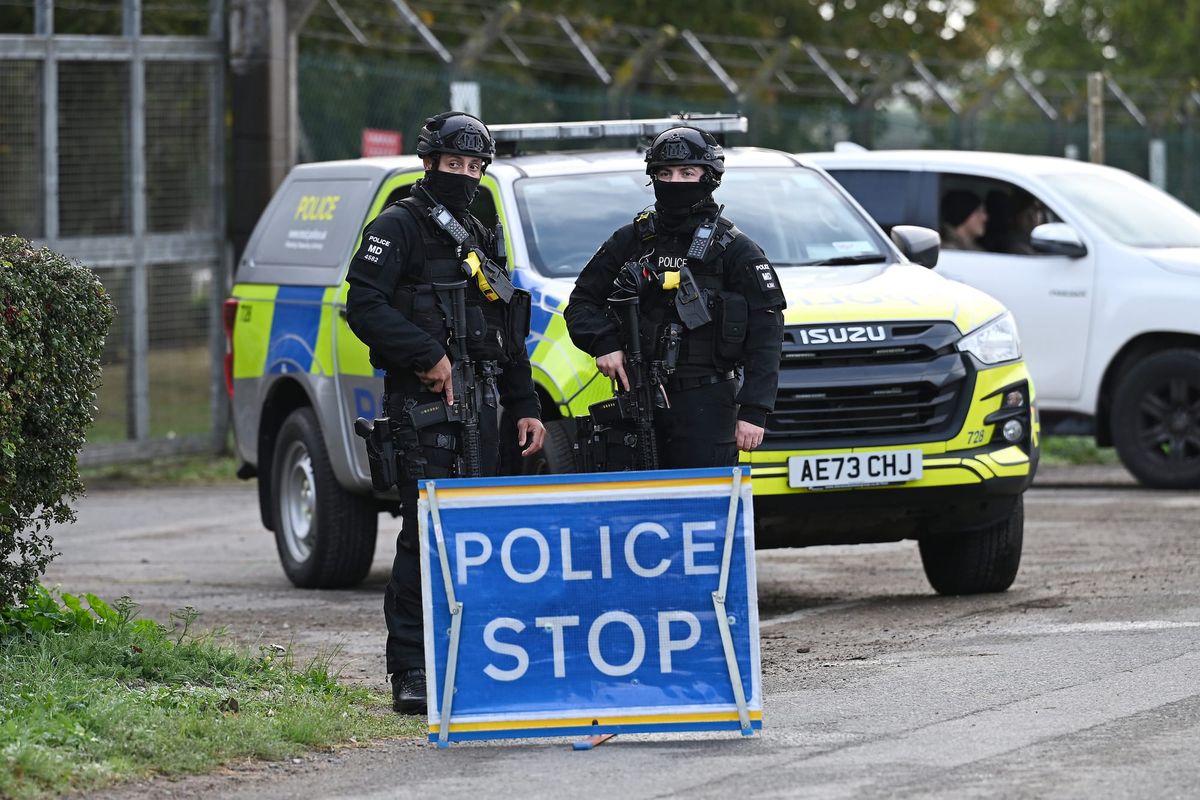
Weekly Poll
How does your opinion compare to the rest of our readership? Take our new look weekly poll and find out. Have thoughts about the topic? Send us an email
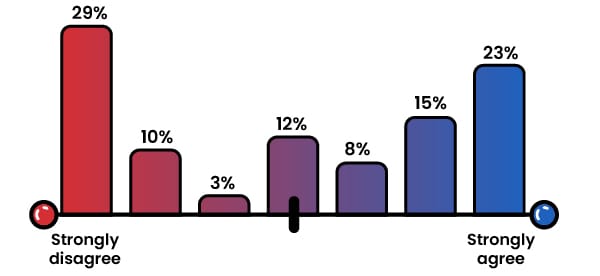
Would you support changes to the pension lock scheme?
Last week's poll results
"The UK should relinquish its claim to the Falklands"
Reader Comments
openDemocracy receives so many carefully considered messages about our work that it seems a shame to keep them to ourselves.
These comments are edited for clarity, accuracy and length, and are not a reflection of openDemocracy's editorial position.
I respectfully disagree with the article's framing. In my opinion, anyone who deliberately commits criminal acts, destroys property and uses unlawful direct action to advance a political cause is employing terrorist tactics. These actions are not victimless. They are designed to create fear, intimidation and uncertainty among those targeted, including employees, contractors and others connected to the organisation.
When people are made to worry that political activists may attack their workplace, damage property or target them because of their association with a particular organisation, that goes beyond protest and becomes coercion.
While supporters may argue that the motives were noble, I do not believe that a cause justifies tactics intended to intimidate others or force political change through fear. For that reason, I regard those involved as terrorists rather than peaceful protesters.
Aston411 | I was sentenced as a terrorist. Now my barrister is on trial for defending me
This week in history
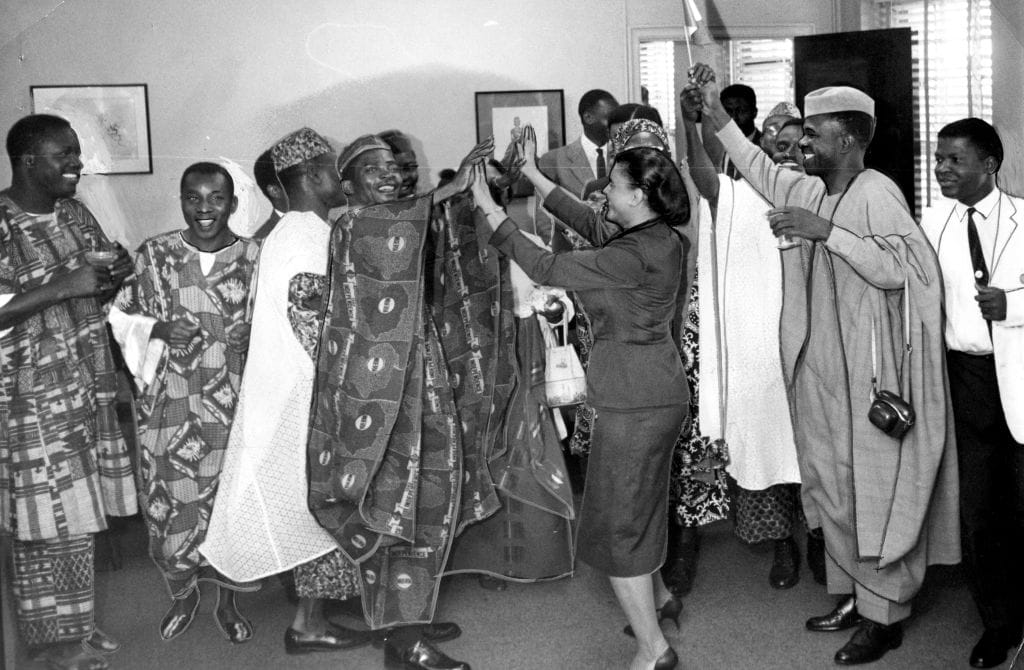
Nigerian independence • 1 October 1960
Nigeria became independent from Britain on 1 October 1960. With over 180 million people today, Nigeria is Africa's most populous nation. Its independence story was shaped by the colonial-era divide-and-rule between ethnic groups, followed by military coups and the Biafran war. Encapsulating both the possibilities and the painful contradictions of African decolonisation.
 Godwin Nnanna

This article is published under a Creative Commons Attribution-NonCommercial 4.0 International licence. If you have any queries about republishing please contact us. Please check individual images for licensing details.


