

In this week’s issue
- How a QAnon-believing Scientologist and ‘personal friend’ of Farage hyped an “anti-woke” cryptocurrency that investors later alleged was a scam
- UK government has ‘no record’ of discussions at AI chief’s secret briefing to elite intelligence firm’s Big Tech clients
- How global security obsession has led governments to manage threats with force and control, rather than tackling root causes
- England’s summer of record-breaking heatwaves and wildfires is pushing fragile food system to brink of collapse
- How a convicted fraudster spun a Balkan web of offshore shell companies, illicit crypto-ATMs, and financial subterfuge to bankroll Reform UK’s elite
- UK firefighters battling wildfires struggle to protect themselves from lethal heatstroke and cancer-causing toxins
“Send me to Montenegro, and the leads will follow,” Sian Norris, openDemocracy’s senior investigative reporter, insisted in an editorial meeting this summer. Turns out she was right.
Our cover this week is Sian’s joint-investigation with The Times into John Mappin, a figure who cuts a familiar silhouette in this age of Reform, crypto-currencies, conspiracy theories, fraudsters, old money and new wealth. Like Posh George, the Faragist Sian previously investigated on her Montenegro trip, Mappin is either extremely known or completely obscure — depending on the circles you move in.
For this story, Sian and investigative journalists at the Times analysed a tranche of leaked messages to uncover how a crypto-currency associated with Mappin and which he promoted online was accused by investors of scamming them out of thousands of dollars. The currency was called “Awoke” or “anti-woke” coin” (you can’t make this stuff up!).
The next election is only three years away, and we are determined to keep exposing Reform and prevent the rise of the far right. To do that, we want to recruit 500 paid subscribers by the end of 2026.
Will you be part of the movement to fight the far right, with a monthly donation today?
Moving from scam to scandal, openDemocracy reporter Ethan Shone reports on the web of connections between Andy Burnham’s new AI advisor, Starmer’s top business advisor, big tech firms and Hakluyt — the secretive advisory firm set up by former MI-6 spooks.
“Documents obtained by openDemocracy offer a rare insight into how the firm courted a rapidly rising star in the civil service, and won special, undeclared access for its elite clientele to one of the most influential officials working on AI safety policy anywhere in the world,” Ethan writes.
This week we kick off a series on the UK and the climate crisis with two perspectives on the current heatwave.
“This is the coolest, most amenable summer we will experience for the rest of our lives. From here, things simply escalate; conditions get hotter and more extreme,” writes farmer Martin Lines, in a frankly terrifying article on what the UK’s farmers are dealing with.
Also read my colleague Indra Warnes’ archive piece on how the UK’s wildfires are putting the immediate and long-term health of firefighters at risk.
As we put this week’s edition together, I found myself marvelling at how a tiny newsroom like ours can break stories that the mainstream media hasn’t. One big reason is readers like you who give our journalists like Sian, Ethan and Indra the space and support to go after the stories that truly matter.
Thank you for supporting our journalism, and do consider becoming a regular supporter if you aren’t one already.
Have a great weekend.
Aman Sethi, Editor-in-Chief
 Sian Norris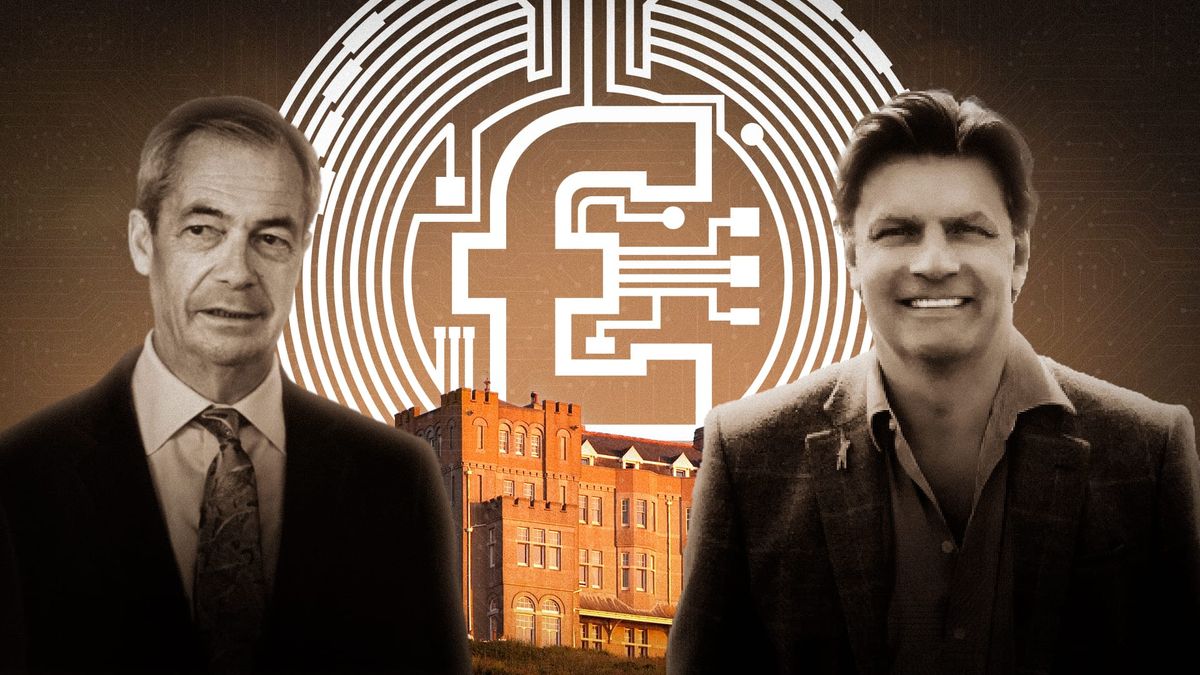
 Ethan Shone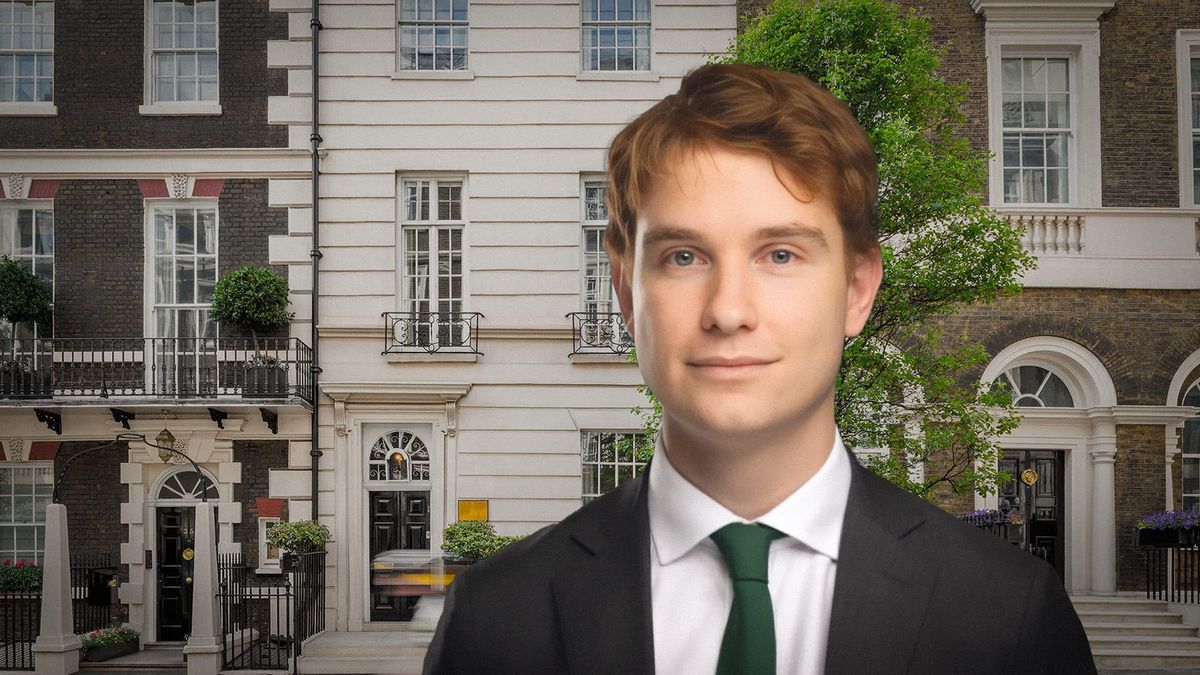
 Paul Rogers
 Martin Lines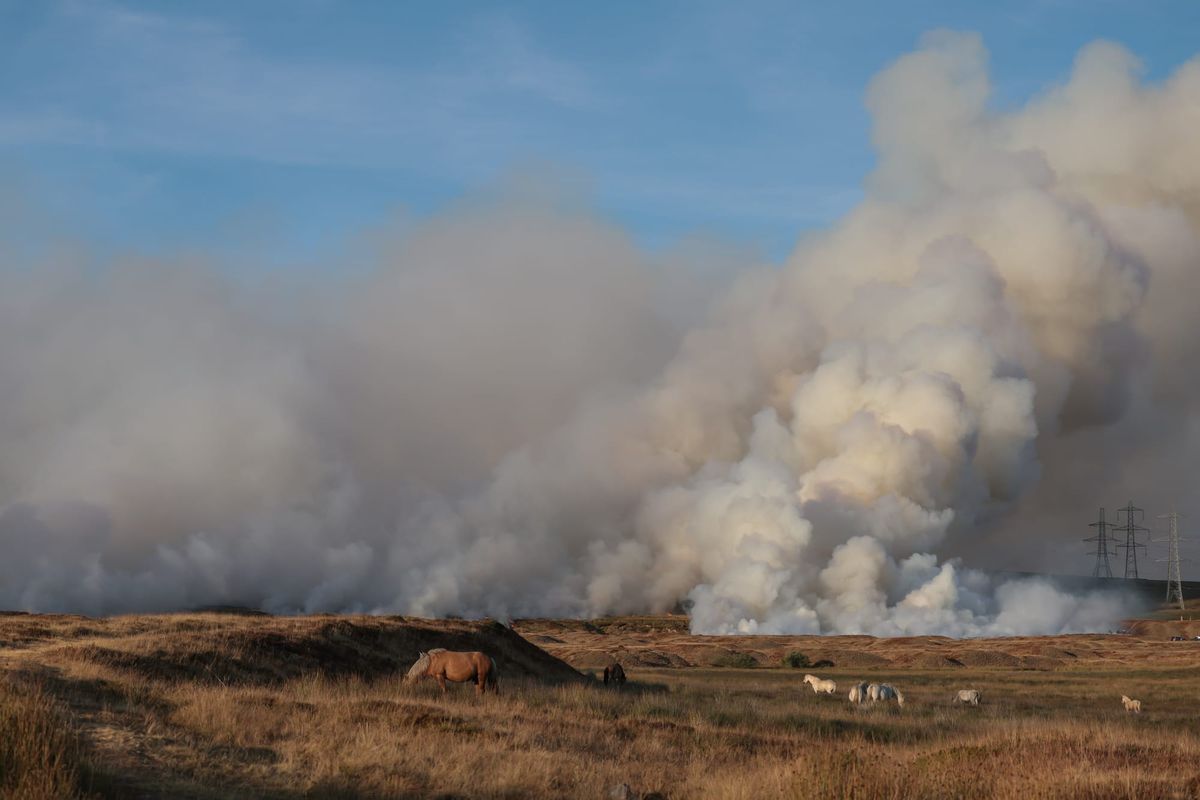
 Sian Norris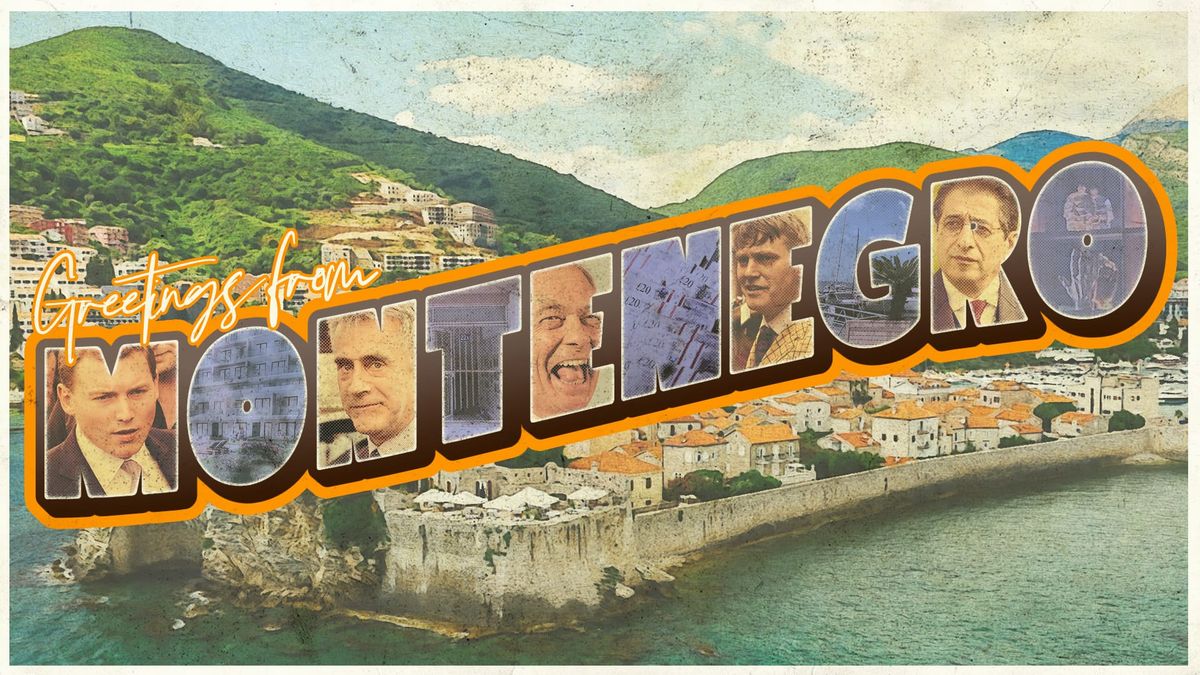
 Indra Warnes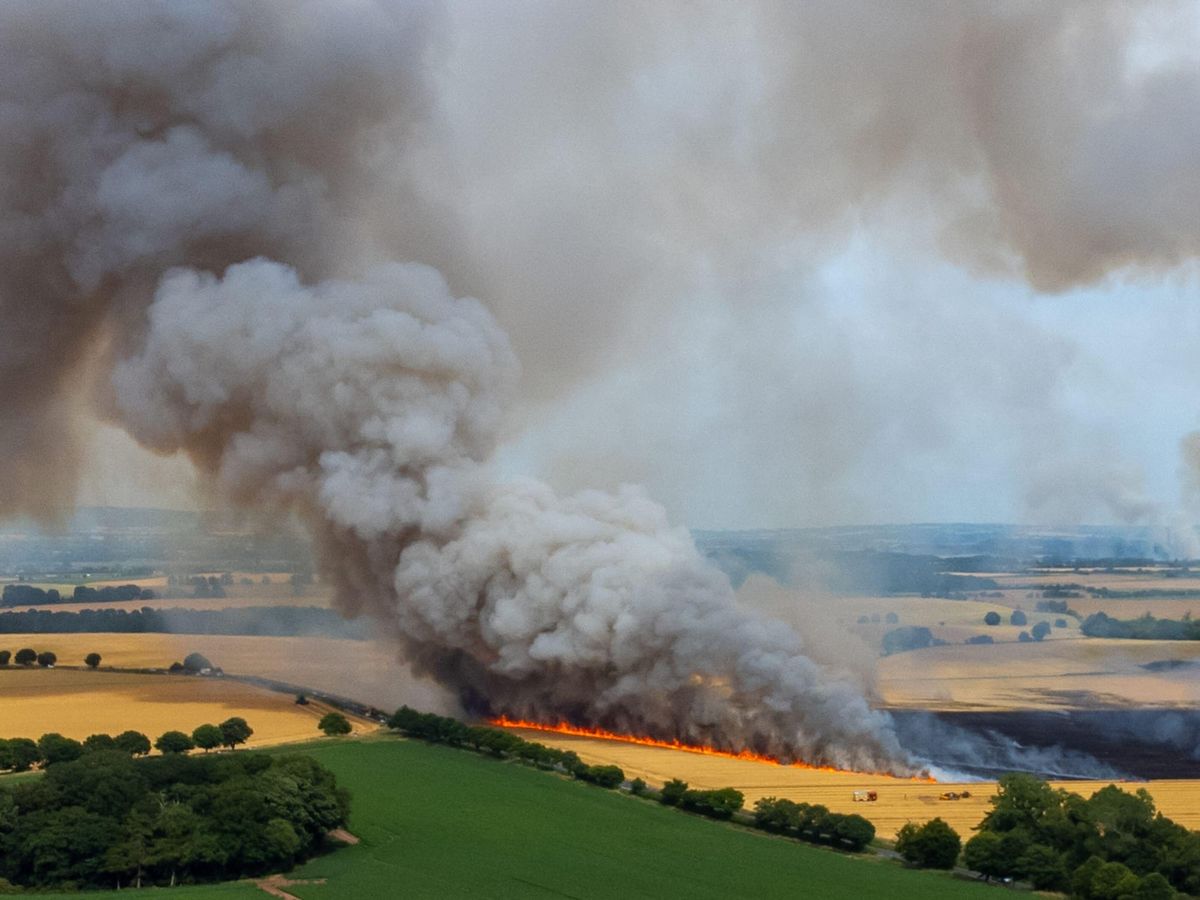
Weekly Poll
Have wildfires affected your community?
Reader Comments
openDemocracy receives so many carefully considered messages about our work that it seems a shame to keep them to ourselves.
These comments are edited for clarity, accuracy and length, and are not a reflection of openDemocracy's editorial position.
Islamic State, 9/11, the Taliban, the Iranian theocracy, the 2017 London Bridge and Westminster Bridge attacks, the 2005 bus and underground train bombings. Given the general public ignorance about Islam, fear and revulsion are predictable results. It is not Islam that fuels the phobia, it is the acts and attitudes it is deemed responsible for.
Islam is not monolithic, it is composed of many strands, mostly benign, but the damage has been done and now all are suspect. The source of the malicious and destructive influences in Islam come from outside the UK, and there is little we can do about them. Internally, education, of the public and at schools, is the only long-term defence. Faith based schools of all religions should be closely regulated, and non-school extremist indoctrination suppressed.
We are in the unfortunate position of having both aggressive Islam and aggressive nationalism, each feeding off feelings of mutual loathing, and both are infectious.
Bring_Aft_the_Rum | Re: What the rise in Islamophobia tells us about modern Britain
This week in history
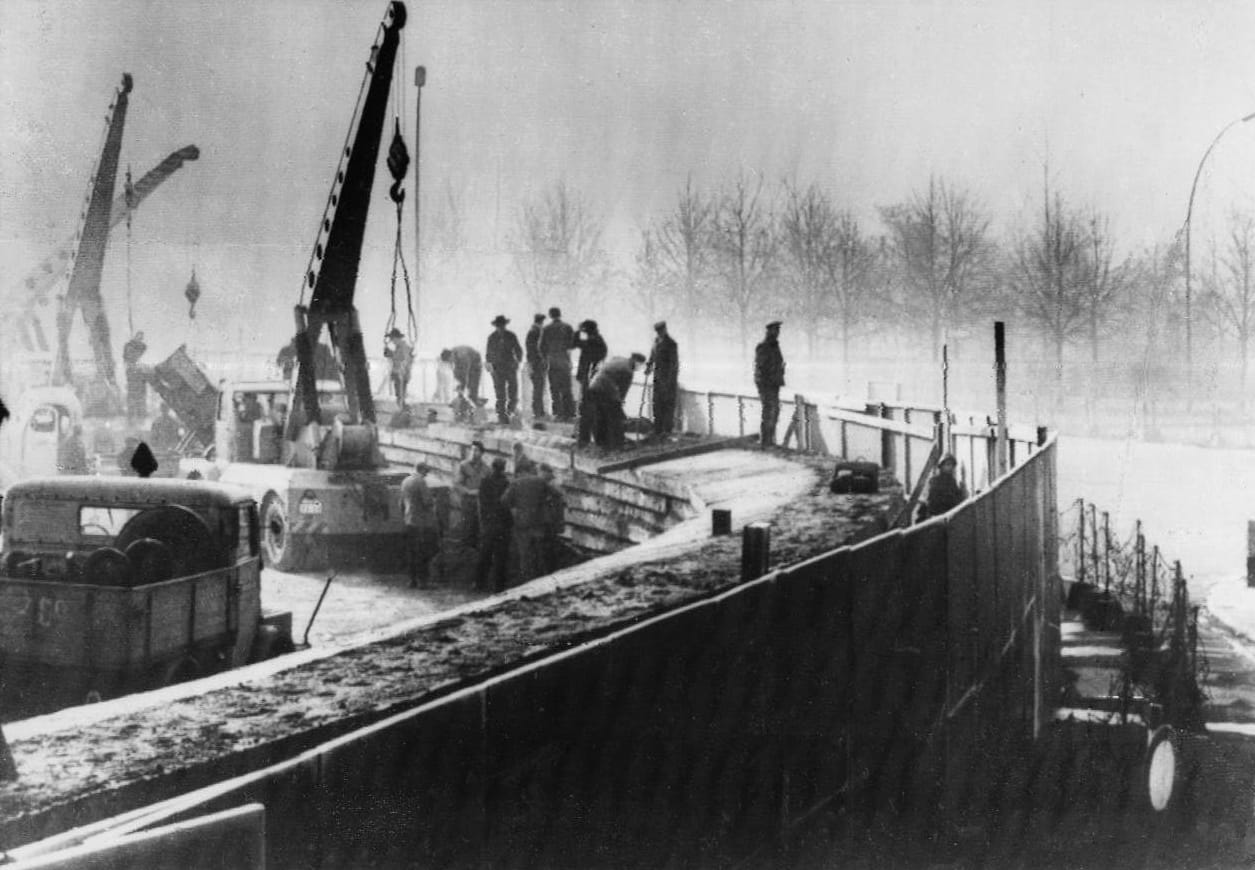
Construction of the Berlin Wall • 13 August 1961
Construction of the Berlin Wall began on 13 August 1961, physically dividing a city and becoming the most potent symbol of the Iron Curtain. Its fall on 9 November 1989 became equally symbolic.
From our archive, we have a piece about the 1989 elections in Poland that preceded the Wall's fall. Examining what workers' hopes were and what happened to them in the neoliberal transformation that followed.
 Krzysztof Bobinski
What we're reading
The Spoiled Heart, Sunjeev Sahota
The Spoiled Heart is one of my favourite books from the last few years. In a way, the premise sounds a bit boring, even wonkish: a British Asian man is set to become the general secretary of his trade union when a challenger candidate emerges: a younger British Asian woman. But this extraordinary novel is much more than a story about union politics. It forces the reader to question their own prejudices, in a stunning and often challenging exploration of race, gender, and class. Sahota explores cancel culture and identity politics, a subject that could be so easily mishandled but which he uses to build a sometimes uncomfortable and always fascinating story. Heart-wrenching, funny, thought provoking: I have recommended this book to so many people, who have all loved it. Sahota’s readable while complex and troubling novel is truly a masterpiece for our age.
Sian Norris, senior investigations reporter


