

Many of us are already feeling the creep of AI into our workplaces.
For some, it’s a useful assistant that speeds up menial tasks; for others, it’s a reminder of their own pending irrelevance.
But what about those employees who are seeing AI deployed not to help with or take over their jobs – but to monitor them and their colleagues?
Our lead story this week is from openDemocracy’s new technology reporter, Evie Breese, who’s dug into leaked Amazon documents that suggest the company is using a shadowy AI tool to surveil staff at its warehouses across the UK, US, and Canada – seemingly with the aim of ‘union-busting’.
Amazon has long said it doesn’t want to stop employees from joining unions. Lawyers told Evie that these documents – and the use of the AI tool – cast doubt on those claims.
“Workers should be allowed to decide if they wish to choose to unionise,” said one employee at an Amazon warehouse in Coventry that the AI flagged as being at particular risk of industrial action. “If you’re then monitoring, you’re undermining a process deliberately and willfully.”
Elsewhere, long-time readers may remember that our former environment reporter, Ben Webster, won Environment Journalist of the Year at the 2024 UK Press Awards for his openDemocracy investigations exposing greenwashing by the gas industry.
The next election is only three years away, and we are determined to prevent the rise of the far right. To do that, we want to recruit 500 new monthly donors by the end of 2026.
Will you be part of the movement to fight the far right, with a monthly donation today?
For Ben, those investigations were the beginning of a long road that has led him to take the UK government to court. Read his article to find out why he believes ministers are short-changing the British public – and what he wants to do about it.
openDemocracy’s senior investigative reporter, Sian Norris, was also up for an award this week for her story examining how the UK’s employment visas push thousands of legal migrant workers into modern slavery. Sian may have lost out on the night, but she’s still a winner in our eyes, and her shortlisted investigation is well worth a read. We’re resharing it in case you missed it.
Plus, regular defence columnist Paul Rogers discusses what Donald Trump’s latest love-in with Vladimir Putin means for Ukraine, while foreign correspondent Luke Harding tells Sian how the US president’s betrayal will affect Ukraine this winter. You can read the highlights from their conversation, or watch in full on our In Solidarity podcast.
Thank you as ever for reading the Weekly; if you like this newsletter, share it with a friend. If you love it, consider making a donation.
Have a great weekend.
Indra
Deputy editor
 Evie Breese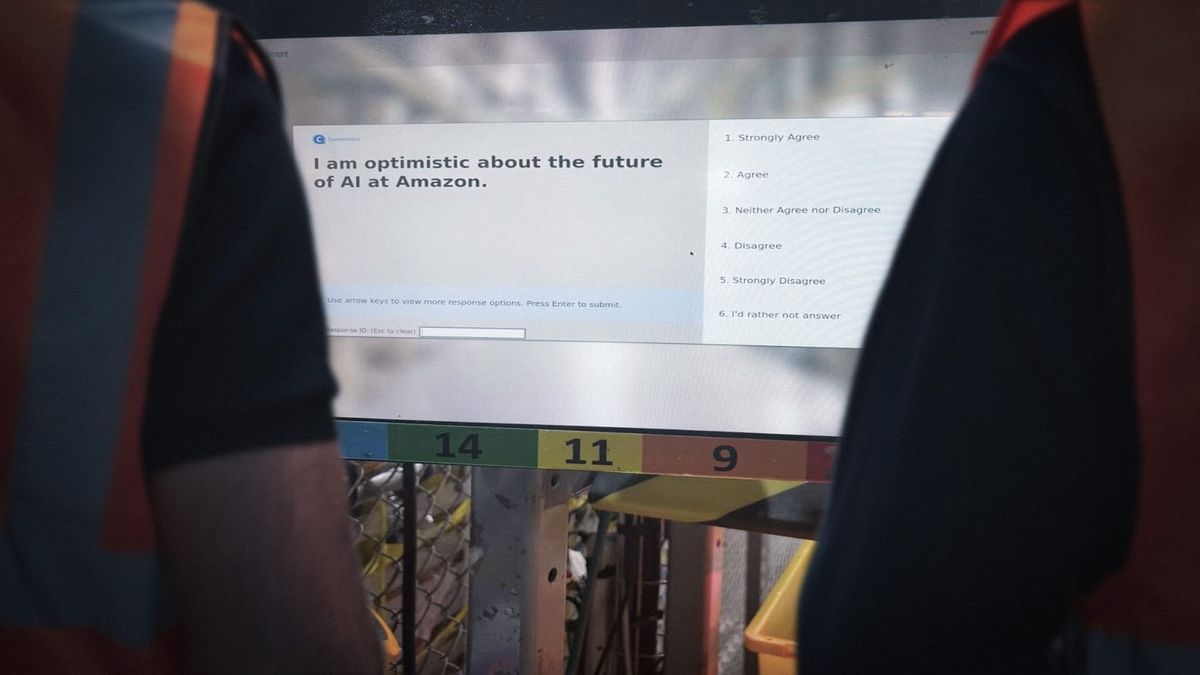
 Ben Webster
 Paul Rogers
 Sian Norris
 Sian Norris
 Sian Norris
Weekly Poll
How does your opinion compare to the rest of our readership? Take our new look weekly poll and find out. Have thoughts about the topic? Send us an email
Do you avoid using Amazon services?
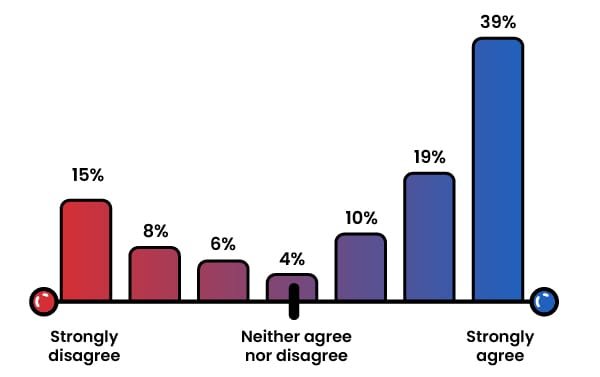
Last week's poll results
Where do you stand on the Green Party’s policy equating Zionism with racism?
Reader Comments
openDemocracy receives so many carefully considered messages about our work that it seems a shame to keep them to ourselves.
These comments are edited for clarity, accuracy and length, and are not a reflection of openDemocracy's editorial position.
I support, wholeheartledly, retaining the triple lock. Robbing Peter to pay Paul is not the way to operate public finances. This argument follows the typical economic framing of the right that every public pound spent is wasteful and only private pounds are productive. The NHS is one of our biggest employers and consumer of goods and services that support more businesses and more jobs than the billionaires have ever 'created' and generates tax revenue. Such benefits of spending are only ever made in relation to tax cuts and wilfully ignored in relation to public spending.
A national care system will create thousands of jobs (which should be ith commensurate pay) and create further demand for goods and services contributing to the economy. Helping people actually makes economic as well as social sense. Taking public money away from people, especially old people, many of whom have no other source of income is socially and economically regressive and jsut panders to the failed economic orthodoxy of the right.
SteveBainbridge | Scrapping pensions triple lock won’t fund social care

This week in history
The Mau Mau uprising, Kenya • October 1952
In October 1952, the British colonial government in Kenya declared a state of emergency in response to the Mau Mau uprising, an armed movement against colonial rule led by the Kikuyu people. British forces detained more than 150,000 Kenyans in concentration camps; thousands were tortured, murdered or died from disease and hunger. The British government suppressed knowledge of these atrocities for decades.
Our archive piece this week looks at the Mau Mau in the broader context of African resistance to colonial rule and examines the complexity of what independence delivered.
 John Lonsdale

This article is published under a Creative Commons Attribution-NonCommercial 4.0 International licence. If you have any queries about republishing please contact us. Please check individual images for licensing details.


