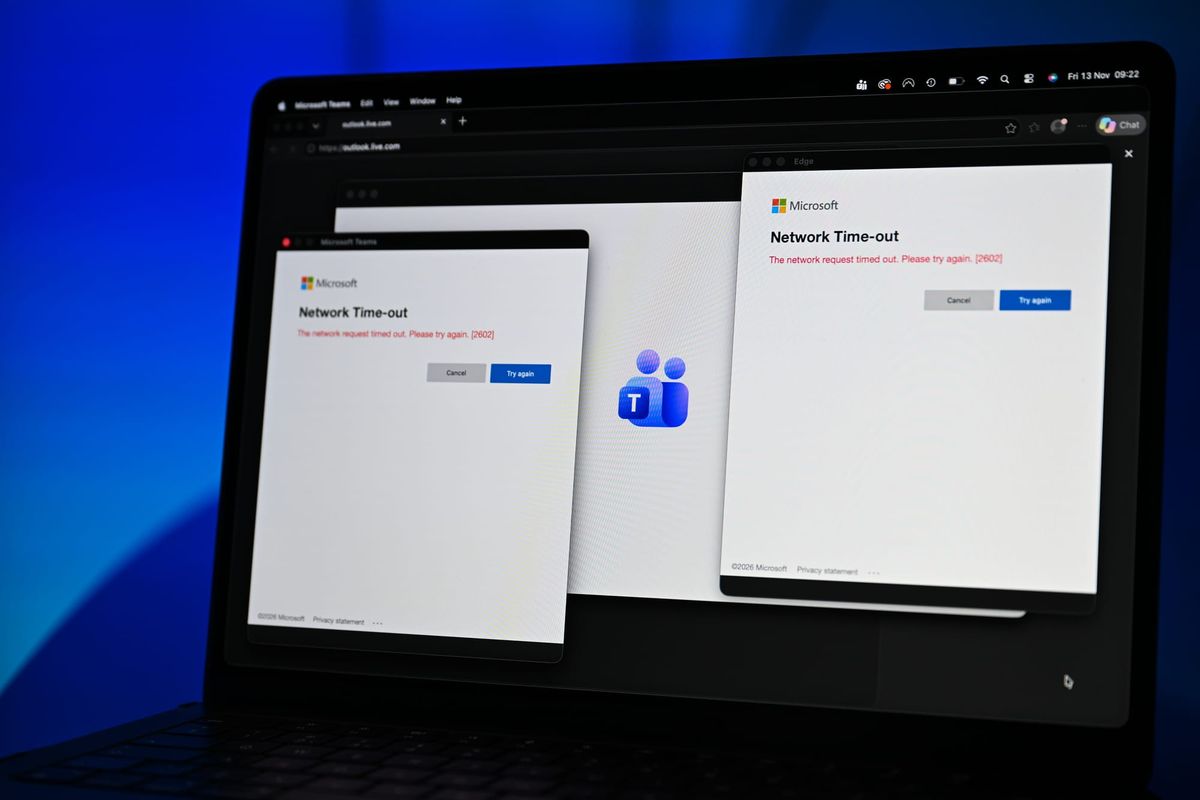
99% of civil servants in the UK, including those in the Ministry of Defence, use Microsoft for communications, writes openDemocracy’s Evie Breese in her report on the ripple effects of the global outage that crippled everything from the NHS to the justice system to small businesses and individual users.
The outage, which came in the same week that the government said the NHS will continue to use Palantir software till 2029 at the earliest, underscores how deeply reliant the UK has become on US Big Tech to run every facet of everyday life. Ian Murray, the minister for creative industries, media, and online safety, sought to reassure nervous parliamentarians by pointing to the £500m earmarked for the sovereign AI fund. For context, that’s a little more than what Microsoft expects to spend every single day in 2026 on AI capital expenditure alone.
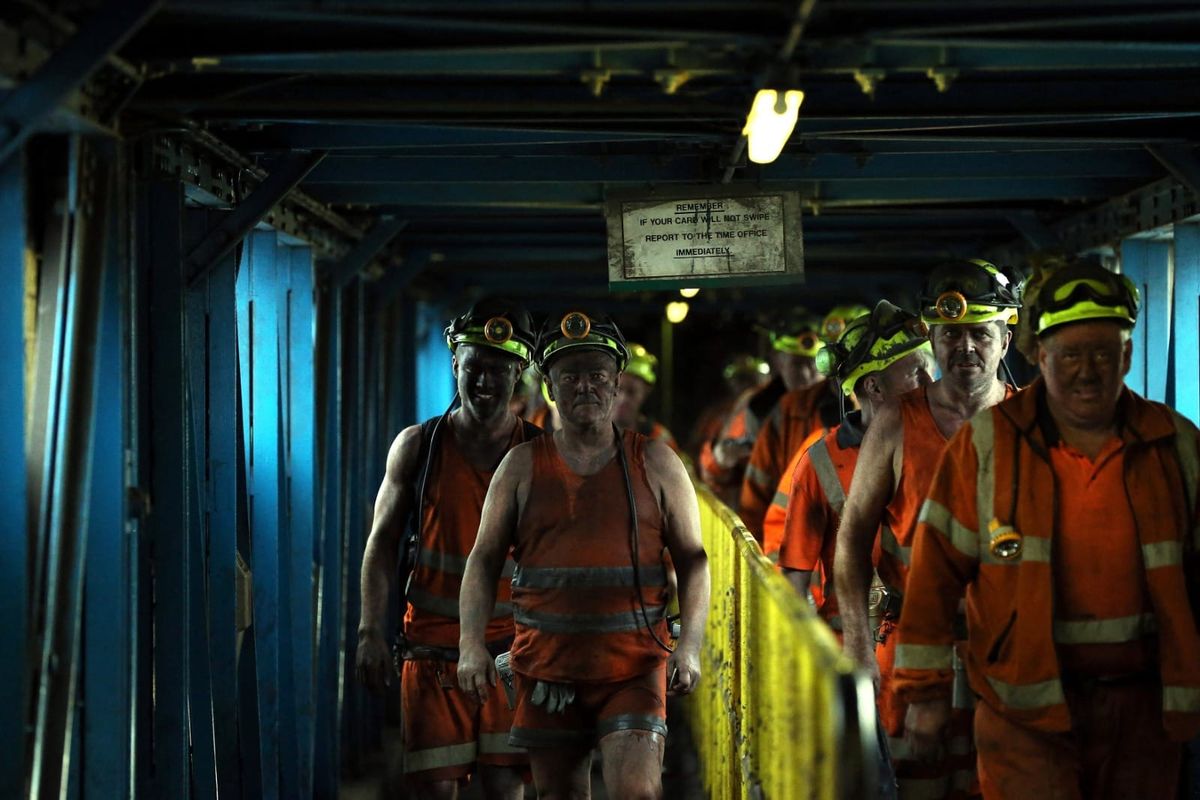
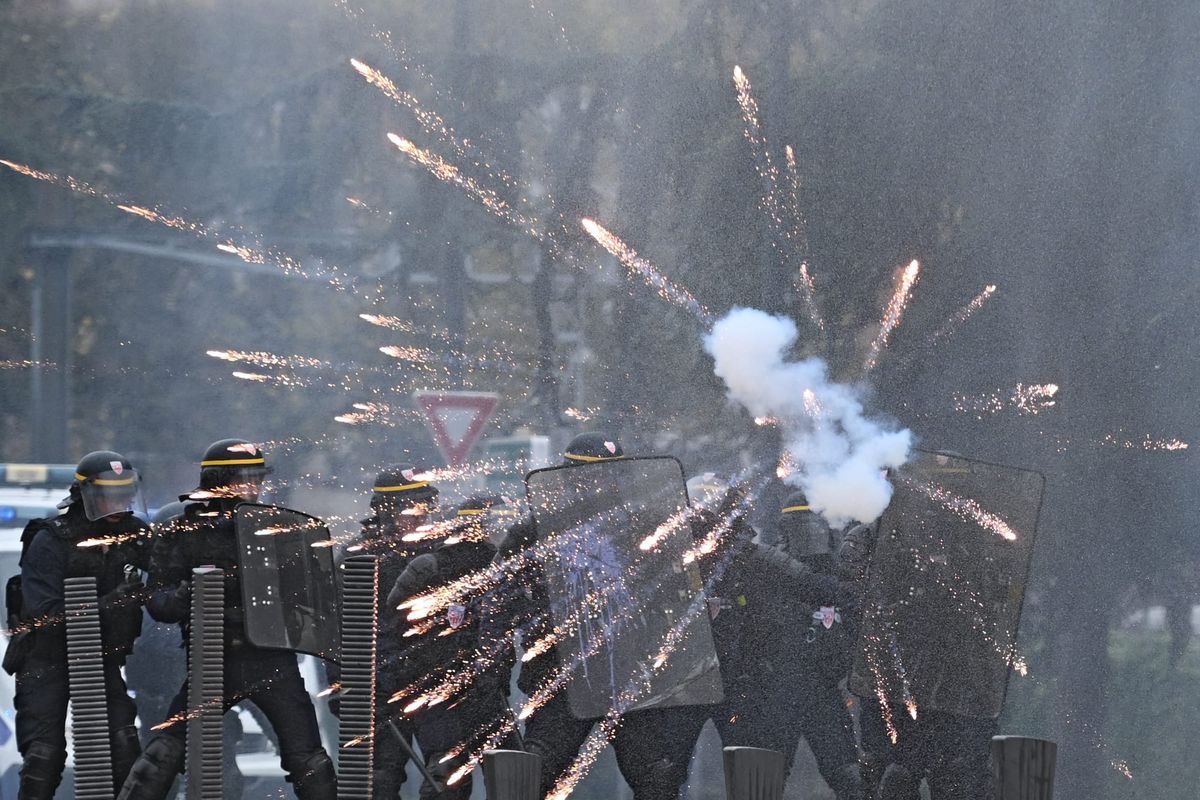
Also in this edition, we bring you a clutch of stories that serve as a coda for the UK’s economic predicament: Ethan Shone continues his coverage of the coal miners’ pension payout, Chaminda Jayanetti and Kate Nightingale bring two perspectives on the Milburn review, while Oscar Berglund writes about why young people here and around the world are taking to the streets to protest a system that seems to serve no one save a tiny minority.
The next election could come any time, and we are determined to expose the flow of dark money in politics before then. To do so, we need to recruit 500 new monthly donors by the end of 2026. We're a third of the way there – but still have a long way to go.
Will you help us fight those funding the politics of hate, with a monthly donation today?
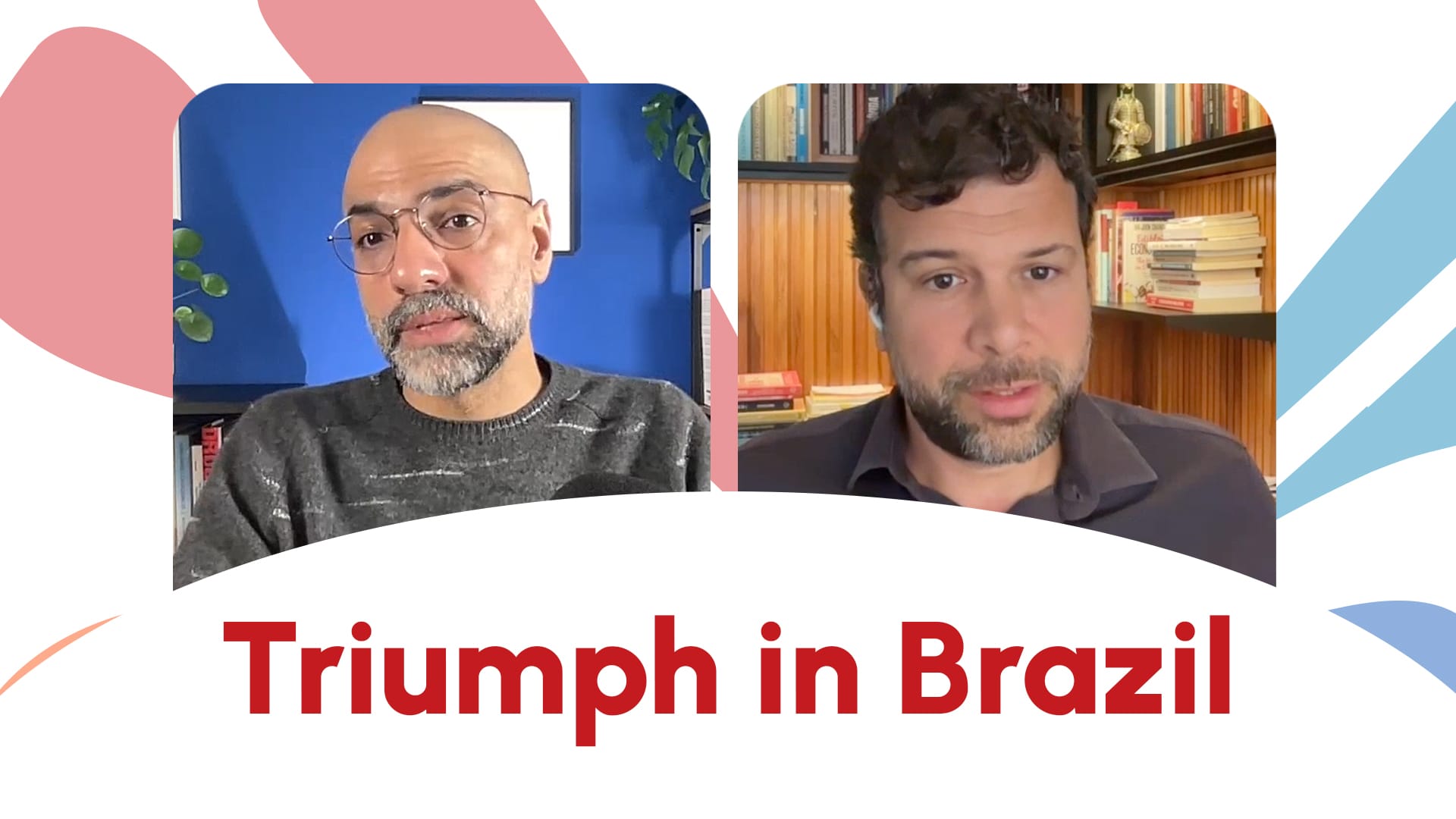
There may be a way out: For our podcast this week, I spoke to Pedro Rossi, an economist and special adviser to Brazil’s president Luiz Inácio Lula da Silva, on how Brazil is trying to create an economy that works for the many, rather than the few. As Pedro told me, “We have to manage the economy – not for the financial market – but for the people. We have to give people hope.”
Thank you as always for reading our newsletter. As the year draws to a close, support our journalism by becoming a regular subscriber.
Have a great weekend,
Aman Sethi
Editor-in-chief
 Ethan Shone
 Chaminda Jayanetti

 Kate Nightingale

 Dr Oscar Berglund
 Amina Khanom

 Paul Rogers

 Aman Sethi
 Evie Breese
Weekly Poll
How does your opinion compare to the rest of our readership? Take our new look weekly poll and find out. Have thoughts about the topic? Send us an email
|
Can Burnham undo the damage caused by Brexit?
Click an option to vote.
|
Last week's poll results
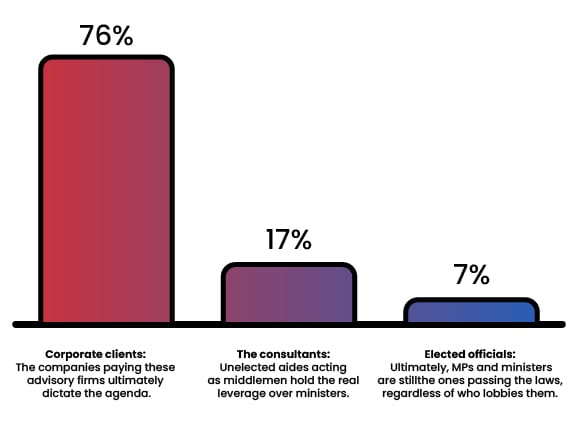
With former government aides taking lucrative jobs at advisory firms to help corporations navigate Westminster, who do you think actually shapes government policy behind closed doors?
Reader Comments
openDemocracy receives so many carefully considered messages about our work that it seems a shame to keep them to ourselves.
These comments are edited for clarity, accuracy and length, and are not a reflection of openDemocracy's editorial position.
When meaning becomes external, it invalidates inner meaning. This, when extrapolated into a world of learnification and LLMs, creates an alienating lived environment. To know something through emotions and cultural connection, becomes a knowing that doesn't belong. That part of ourselves doesn't belong in the workplace or in our study. This gives rise to stress and a form of cultural deprivation that damages our mental health.
This is a form of fascism, gilded with consumerism and a vacuous individualism, insidious in its oppression of the spirit. It culls the cultural diversity that is the reservoir of potential for how we can be, leaving us to face the future with the fatalism of knowing that with the passing of each day under this tyranny, we grow ever more powerless to be anything better.
Franklin | The Right Words in the Right Order
What we're reading
Our Noble Selves, Kate Atkinson
I’ve loved Kate Atkinson ever since I sobbed over Behind the Scenes at the Museum as a teenager, and her new novel is SUCH a delight. Harry Flynn is a journalist who survived a prisoner camp in World War Two Burma, now living in London and helping to organise the Festival of Britain. As with all her novels, Atkinson packs her story with memorable characters (a celebrity chef based on the inimitable Fanny Craddock is a standout) as Flynn gets into a scrape following a date with a woman who disappears. Atkinson weaves in the impact of war on ordinary people, trying to rebuild from trauma and loss.
As for the 1951 festival? I’d never heard of it! But, as one character astutely observes: next year the King will die and all anyone will remember is the coronation. She was right, clearly.
Sian Norris - Senior Investigative Reporter
This week in history
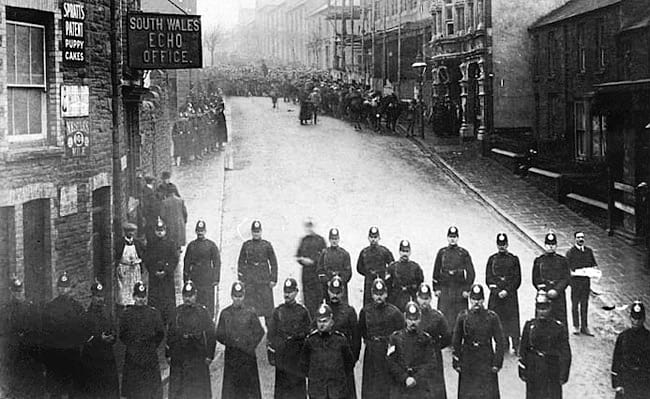
The Tonypandy Riots • 21 November 1910
On the nights of 21 and 22 November 1910, the bitter Cambrian Combine coal dispute in South Wales boiled over into the Tonypandy Riots. After nearly 30,000 miners were locked out by owners over a dispute regarding poverty wages, striking workers moved to shut the local pits down entirely. In response, Home Secretary Winston Churchill deployed the Metropolitan Police and British Army units to crush the strike, resulting in hundreds of injuries and at least one death. Tonypandy shattered the myth that the state was a neutral arbiter in class conflict, severely radicalised the British labour movement, and cemented the necessity of uncompromising trade union power.
The memory of Tonypandy helped forge a unique tradition of radical working-class politics on the Celtic fringes of the UK. Our archival piece explores how the lockout of the Rhondda miners fostered enduring political bonds between the Welsh and Scottish left.
 Leanne Wood