

openDemocracy’s senior investigative reporter Sian Norris was digging into the state of prisons in England and Wales when she made a shocking discovery: potentially thousands of women with criminal records, or in prison, are actually domestic abuse victims sentenced for offences committed under coercion from their abusers.
Sian’s findings, based on months spent combing through prison data and filing dozens of Freedom of Information requests, form the basis for the explosive investigation that leads our newsletter this week.
“The link between domestic abuse and women’s offending has often gone ignored within the criminal justice system,” Sian writes. Or, to quote one of the women she interviewed: “I didn’t realise he was controlling until it was too late.”
After the lull of the summer, we head into a packed political season, both here in the UK, and around the world. Will Brazil be the latest country to fall under the sway of an authoritarian strong man beholden to the US?
We’ll find out this Sunday when the country’s incumbent centre-left president Luiz Inácio Lula da Silva faces off against Flávio Bolsonaro, a Trump ally and the son of former president Jair Bolsonaro, now imprisoned for his role in an attempted coup after losing the 2022 election. “Brazil’s presidential election has become a proxy war for the ‘Donroe Doctrine’,” Pedro Bastos writes in an incisive analysis of just what is at stake.
The next election could come any time, and we are determined to expose the flow of dark money in politics before then. To do so, we need to recruit 500 new monthly donors by the end of 2026. We're a third of the way there – but still have a long way to go.
Will you help us fight those funding the politics of hate, with a monthly donation today?
On Tuesday, Israel goes to the polls with incumbent Binyamin Netanyahu trailing retired General Gadi Eisenkot. Eisenkot has been portrayed as a liberal figure in sections of the press, but Israel’s polity and institutions of state may have shifted too far to the right to make a material difference to the continuing oppression of Palestinians.
A new security policy paper published by an influential Israeli think tank finds “that Israel must pursue permanent war, with no room for any long-term peace settlement,” Paul Rogers notes, concluding that “Israel has altered, like a building that is losing its foundations.”
We are making good progress, but are still some way off our goal of hitting 500 new regular donors by the end of the year. Regular donations make it easier for us to plan and support impactful months-long investigations, allowing our reporters to focus on what really matters – like the tragedy of victims of domestic abuse ending up in prison – and keep the public interest journalism available to everyone, rather than sequestered behind a paywall.
If you aren’t in a position to contribute (everything is so expensive right now!), we would love it if you could forward this email to someone who might. Thank you as always for reading our work.
Have a great weekend
Aman Sethi, Editor-in-chief
 Sian Norris

 Pedro Paulo Zahluth Bastos

 Diana Cariboni

 Paul Rogers

 Elisa Urruela
Weekly Poll
How does your opinion compare to the rest of our readership? Take our new look weekly poll and find out. Have thoughts about the topic? Send us an email
Are you stockpiling food and water, as the UK government's new advisory suggests?
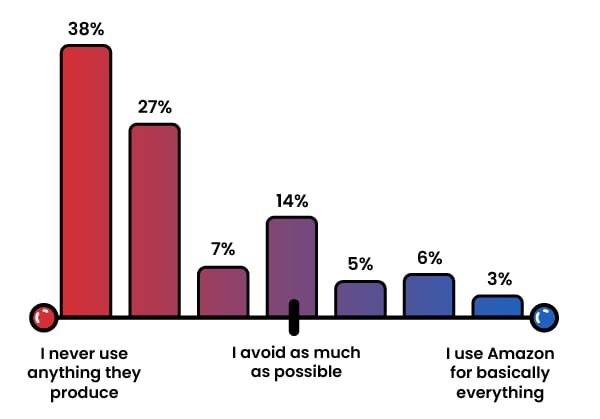
Last week's poll results
Do you avoid using Amazon services?
Reader Comments
openDemocracy receives so many carefully considered messages about our work that it seems a shame to keep them to ourselves.
These comments are edited for clarity, accuracy and length, and are not a reflection of openDemocracy's editorial position.
I have long, long admired Margaret Owen and been proud to stand with her on platforms for freedom and equality ,especially true equality for women and those of all faiths and none. And indeed it was Ed Milliband who asserted publicly that the law proscribing Palestine Action had scarcely been intended to imprison grannies. I leave it that since it would hardly help any cause should I stray into violating the tourniquet readily to hand by indicating my view of those laws.
MalcolmFowler | At 94, Margaret Owen was proud to be arrested for Gaza
This week in history
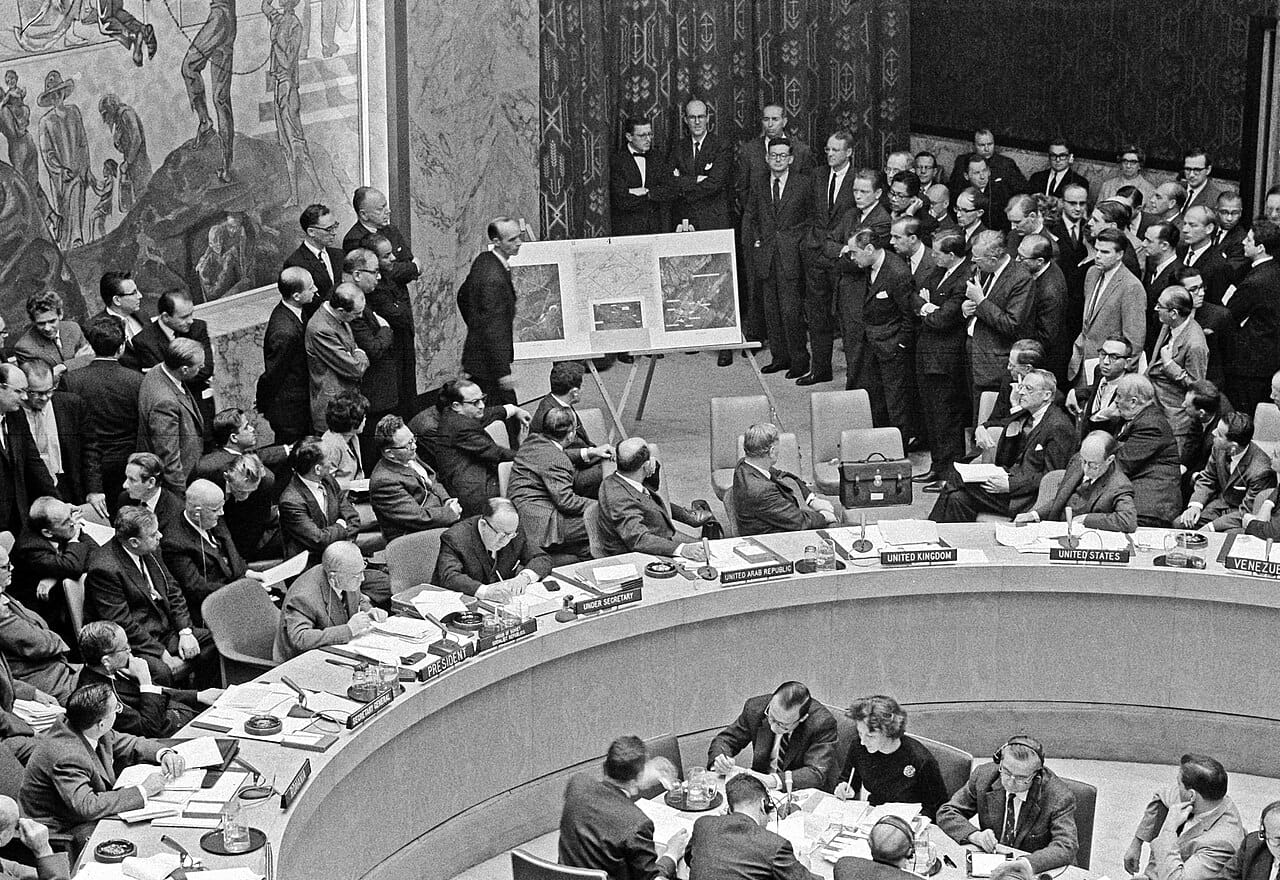
The Cuban Missile Crisis • 16–28 October 1962
For 13 days in October 1962, the United States and Soviet Union came closer to nuclear war than at any other time. The crisis was ultimately resolved through secret diplomacy, including a commitment by the US to remove missiles from Turkey. What is less told is how it looked from Cuba, a small country whose fate was negotiated without its involvement, a sobering lesson in great-power politics.
 Fred Halliday


This article is published under a Creative Commons Attribution-NonCommercial 4.0 International licence. If you have any queries about republishing please contact us. Please check individual images for licensing details.


