

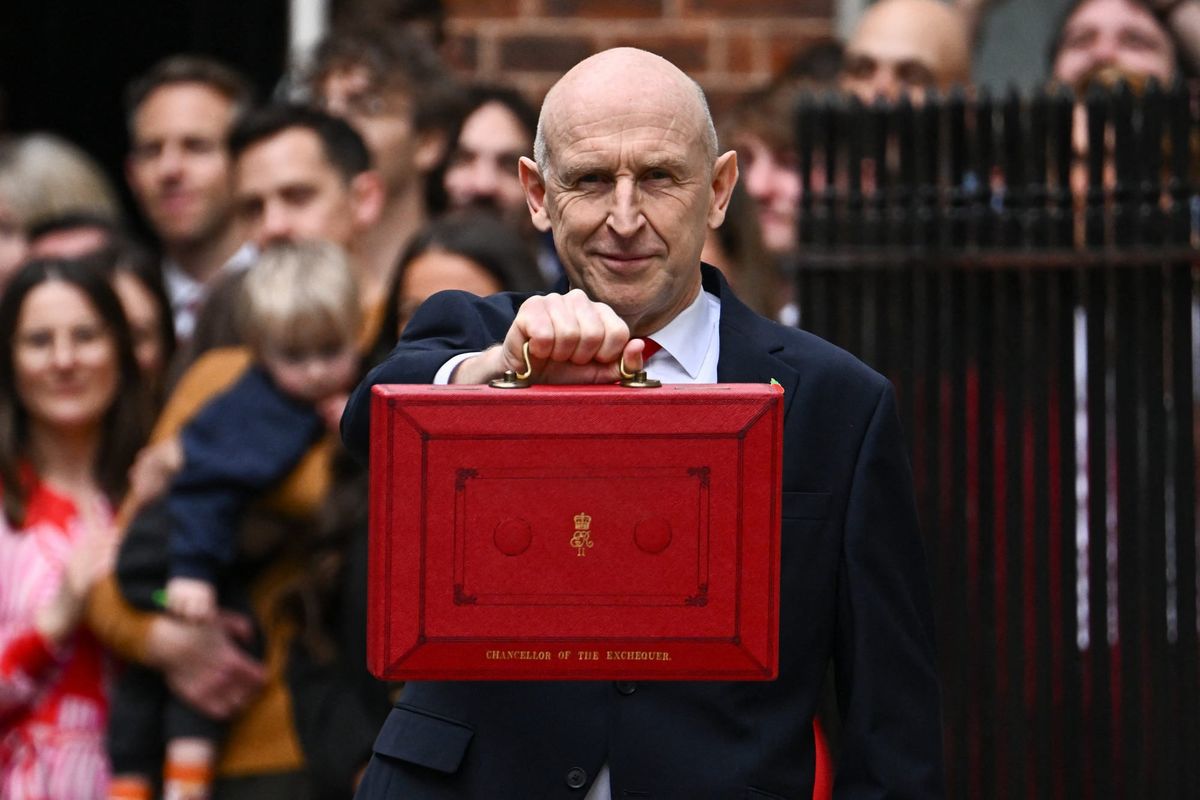
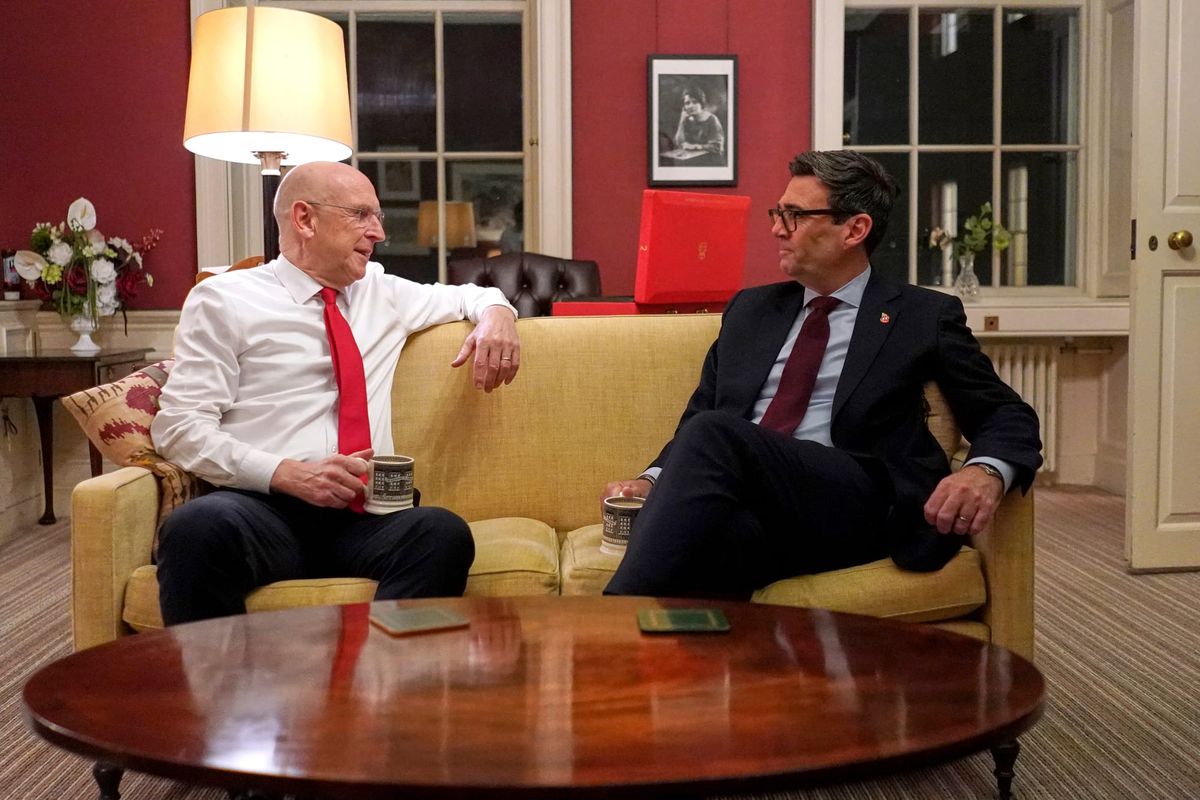
Here we are now Andy, entertain us. The Budget was always going to be the moment that Andy Burnham’s vibes-forward premiership encountered the cold logic of the budget, where we would find out just how progressive, radical, centrist, conservative (take your pick) he really is.
Judging from his post-Budget interview with ITV, even Burnham doesn’t think his Budget was radical enough to meet this moment. To understand what he could have done differently, read our lead story, which features the reactions of a panel of economists, politicians, and campaigners.
Also in this issue of the newsletter, Labour MP Jon Trickett says Burnham’s Budget has failed what he calls the “Makerfield test”. “If the policies unveiled do not work for his constituency, or constituencies like it, they do not work at all,” Trickett says, “And by that measure, the Budget has failed.” While openDemocracy’s Ethan Shone, himself the grandson of a miner, digs into what the Budget means for the ongoing negotiation around the surpluses that have accrued to the miners’ pension scheme.
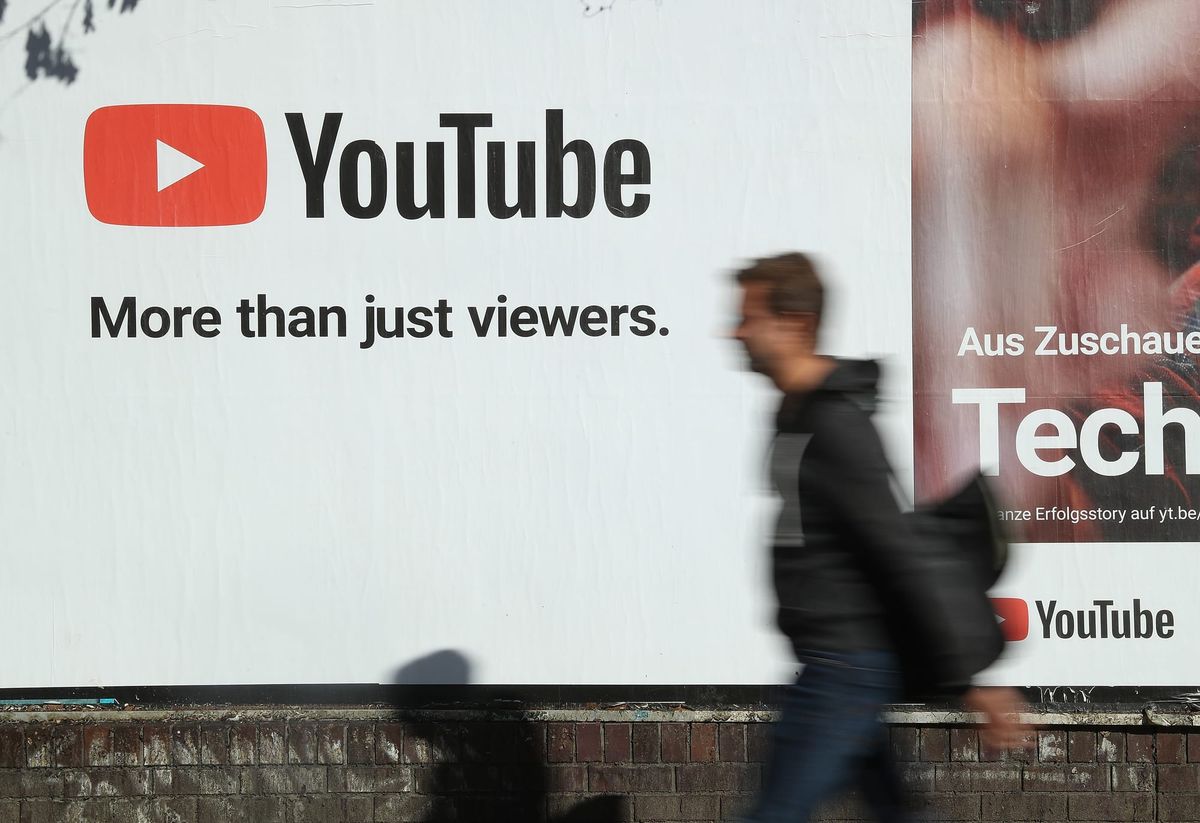
Following a report that YouTube makes millions in profits from showing advertisements against videos pushing hate speech, a group of senior advertising executives have come together to push their industry to do better, openDemocracy’s Evie Breese reports, citing research that shows that “the most lucrative videos target migrants, Muslims and Black communities, often together.” A company spokesperson told Evie that YouTube doesn’t allow hate speech on its platform (to which I thought, do they even watch YouTube?).
The next election could come any time, and we are determined to expose the flow of dark money in politics before then. To do so, we need to recruit 500 new monthly donors by the end of 2026. We're a third of the way there – but still have a long way to go.
Will you help us fight those funding the politics of hate, with a monthly donation today?
A massive thank you to the dozens of readers who signed up to become regular supporters last week. We are making good progress, but still some way from hitting our target of hitting 500 new supporters by the end of the year.
If you aren’t in a position to contribute (especially with this Budget!), we would love it if you could forward this email to someone who might. Thank you as always for reading our work.
Have a great weekend,
Aman Sethi, Editor-in-chief
 Ethan Shone
 Jon Trickett
 Ethan Shone
 Evie Breese
 Sian Norris

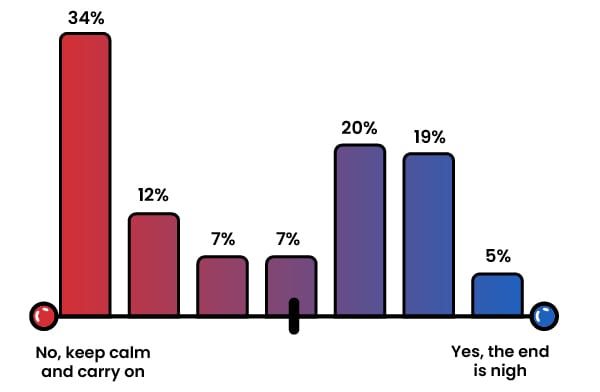
Weekly Poll
How does your opinion compare to the rest of our readership? Take our new look weekly poll and find out. Have thoughts about the topic? Send us an email
What are your thoughts on the budget?
Last week's poll results
Are you stockpiling food and water, as the UK government's new advisory suggests?
Reader Comments
openDemocracy receives so many carefully considered messages about our work that it seems a shame to keep them to ourselves.
These comments are edited for clarity, accuracy and length, and are not a reflection of openDemocracy's editorial position.
I have long, long admired Margaret Owen and been proud to stand with her on platforms for freedom and equality ,especially true equality for women and those of all faiths and none. And indeed it was Ed Milliband who asserted publicly that the law proscribing Palestine Action had scarcely been intended to imprison grannies. I leave it that since it would hardly help any cause should I stray into violating the tourniquet readily to hand by indicating my view of those laws.
MalcolmFowler | At 94, Margaret Owen was proud to be arrested for Gaza
This week in history
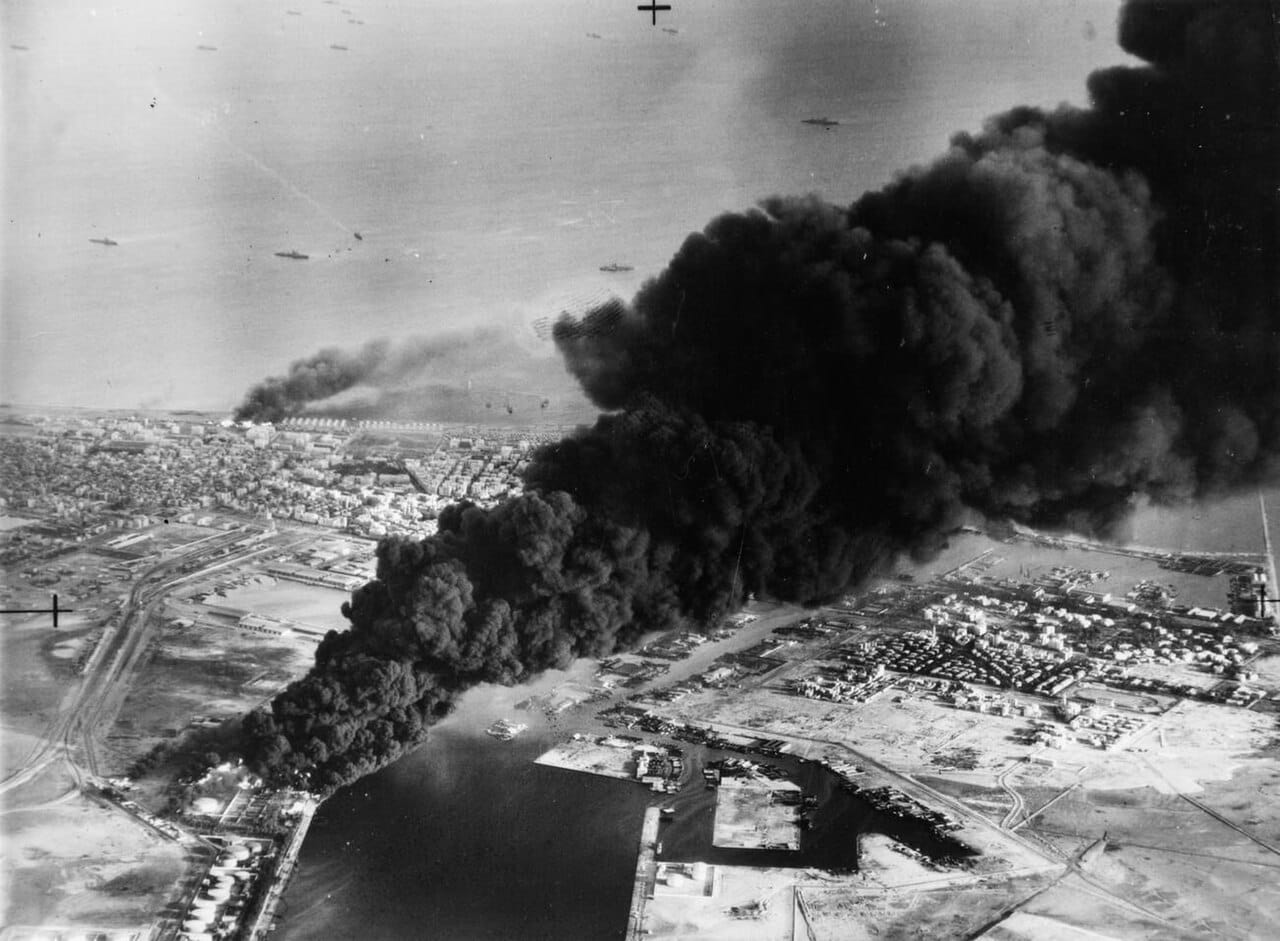
The Suez Crisis • October 1956
In October 1956, Britain, France and Israel invaded Egypt after President Nasser nationalised the Suez Canal. The US forced Britain to withdraw, and the humiliation effectively ended Britain's pretension to great-power status. For Egypt and the Arab world, Nasser's defiance was a defining moment of anti-colonial assertion. The crisis began Britain's slow reckoning with the end of empire.
This week's archive piece is essential context for understanding Suez, using India's partition to illuminate the broader patterns of British imperial exit — divide-and-depart, extracting maximum advantage, leaving behind maximum instability. And.
 Sumantra Bose

This article is published under a Creative Commons Attribution-NonCommercial 4.0 International licence. If you have any queries about republishing please contact us. Please check individual images for licensing details.


