

A month ago, our newsletter considered 9/11 and the long shadow of the war on terror. This week, we mark three years since Hamas insurgents invaded Israel, and the genocide that Israel has since enacted on the Palestinian people.
In my column this week, I try to make sense of why – after dozens of factsheets, UN reports, testimonies, and hours of footage of Israeli forces destroying Gaza – governments around the world are still hesitant to say what people around the world know to be true: that what Israel has done in Gaza is genocide, and it is inexcusable.
But before you get to my column, I urge you to read openDemocracy reporter Sian Norris’ explosive investigation into historical child abuse claims in the British military. This new investigation, co-published in the Guardian this morning, follows up on Sian’s reporting earlier this year.
Also in this edition, read Paul Rogers on the mysterious withdrawal of American B-1B strategic bombers from the RAF Fairford airfield in the UK, Nandini Naira Archer’s inspiring profile of Margaret Owen, the 94-year-old human rights lawyer arrested for holding a banner in support of Palestine Action, and Zack Polanski’s biographer, Russell Warfield, on the recently concluded by-election for Keir Starmer’s former parliamentary seat.
The next election is only three years away, and we are determined to prevent the rise of the far right. To do that, we want to recruit 500 new monthly donors by the end of 2026.
Will you be part of the movement to fight the far right, with a monthly donation today?
This week marks the debut of our newest team member, tech journalist Evie Breese, who writes incisively on the UK’s muddled attempts to regulate so-called AI super-intelligence. As Evie notes in her piece, “UK legislators are caught between two competing priorities: preventing future catastrophe and addressing present harm.” As it turns out, they aren’t doing either at the moment.
Thank you, as always, for supporting our journalism. We are running a campaign to add 500 new regular supporters by the end of the year, so if you appreciate our journalism, please consider making a contribution.
Have a great weekend,
Aman Sethi
 Sian Norris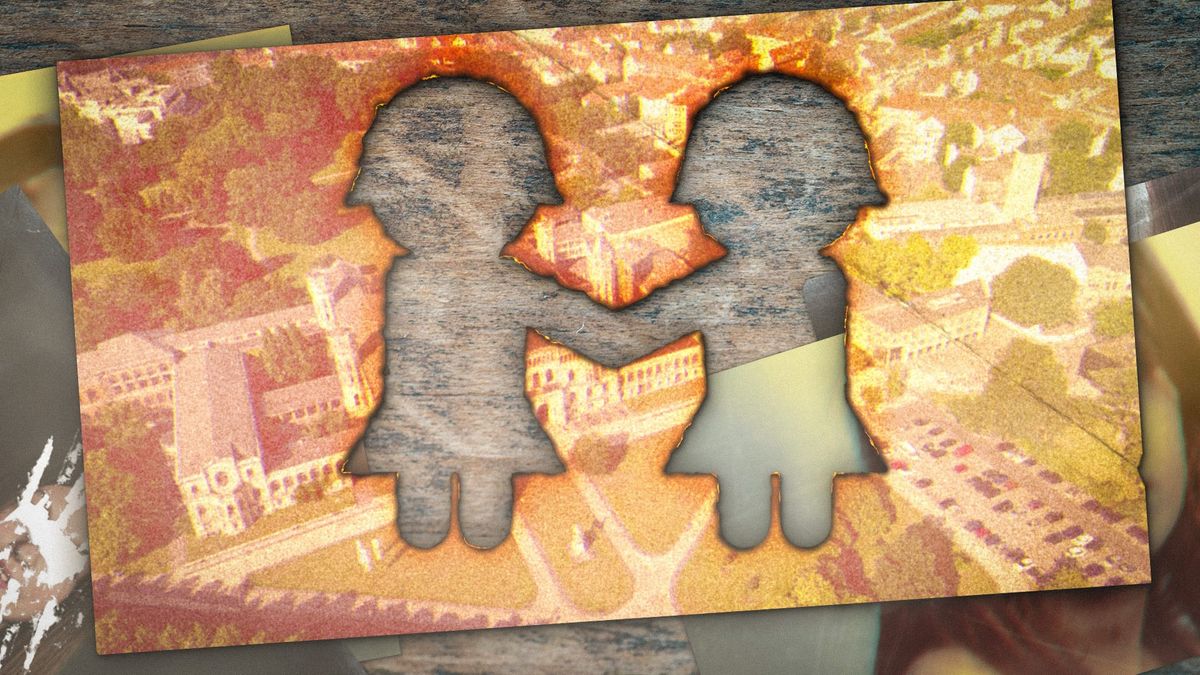
 Aman Sethi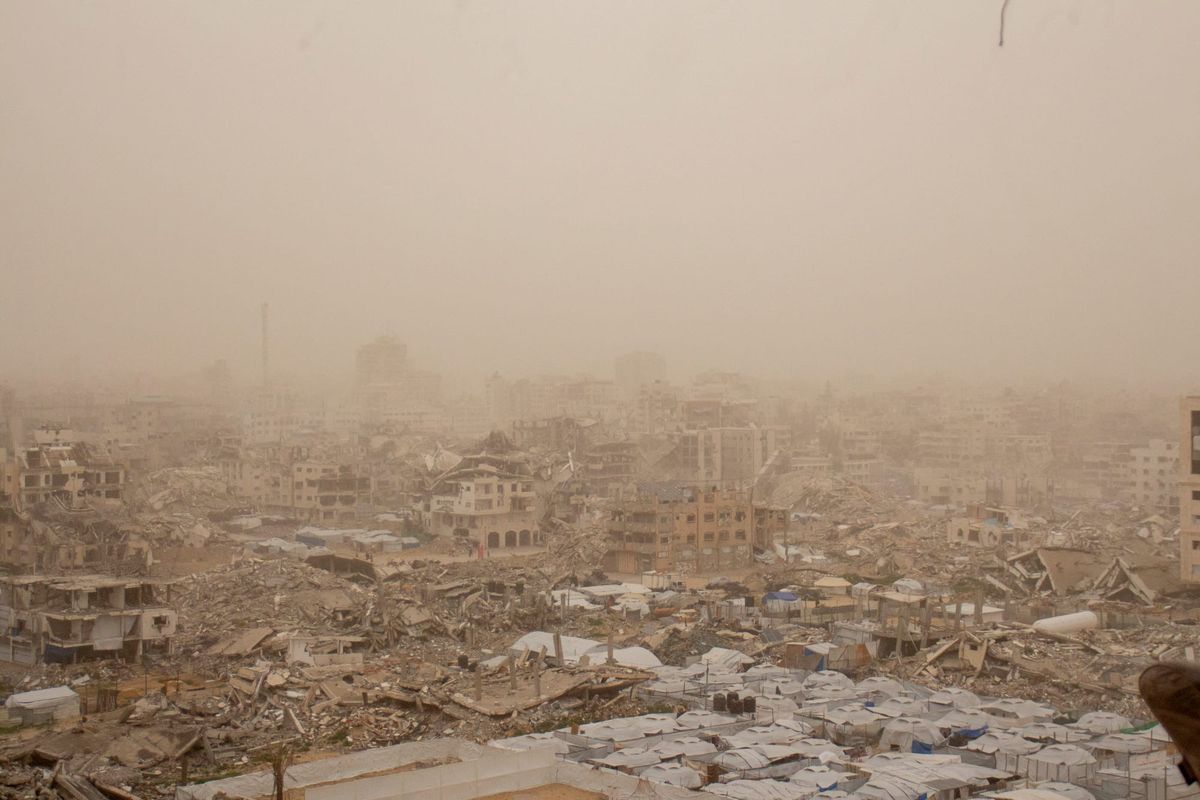
 Paul Rogers
 Andrew Feinstein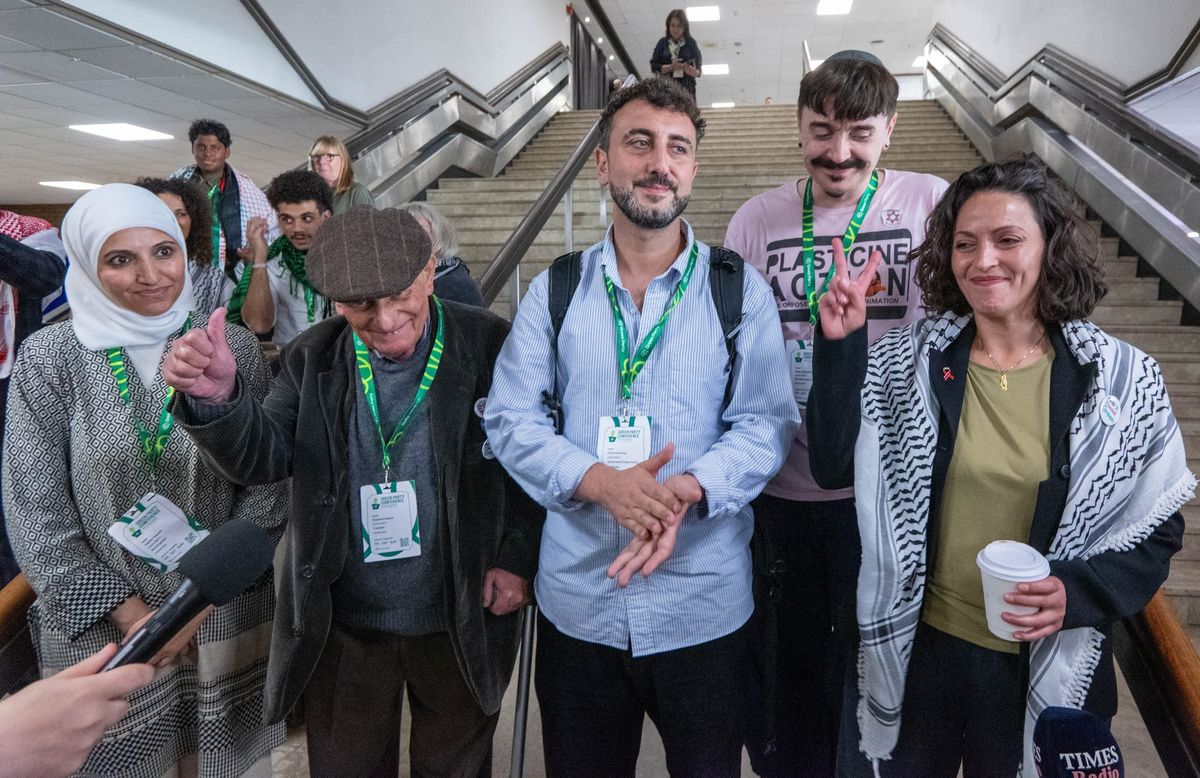
 Russell Warfield
 Nandini Naira Archer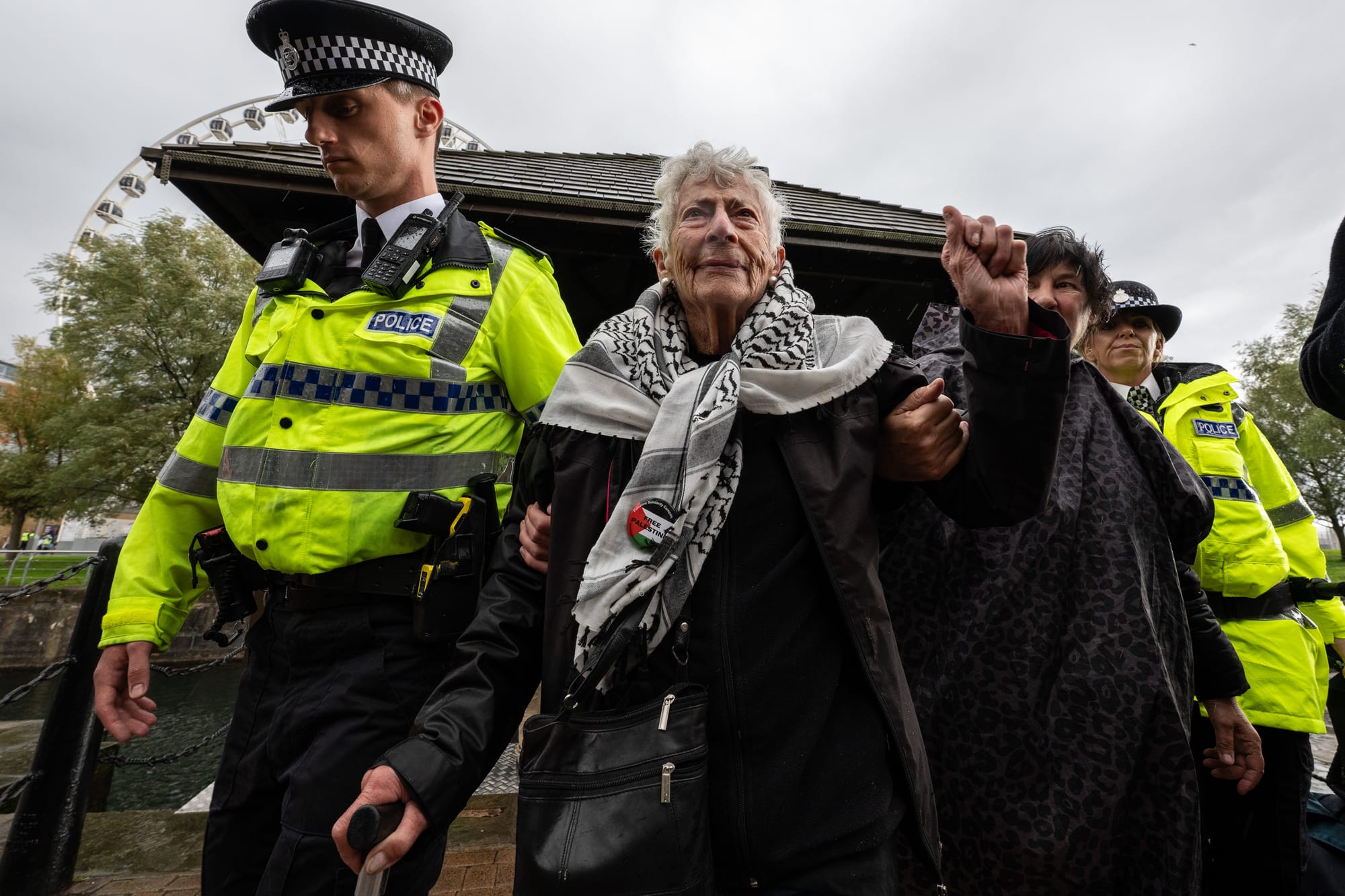
 Evie Breese
 Sian Norris
Weekly Poll
How does your opinion compare to the rest of our readership? Take our new look weekly poll and find out. Have thoughts about the topic? Send us an email
Where do you stand on the Green Party’s policy equating Zionism with racism?
Last week's poll results
Would you support changes to the pension lock scheme?
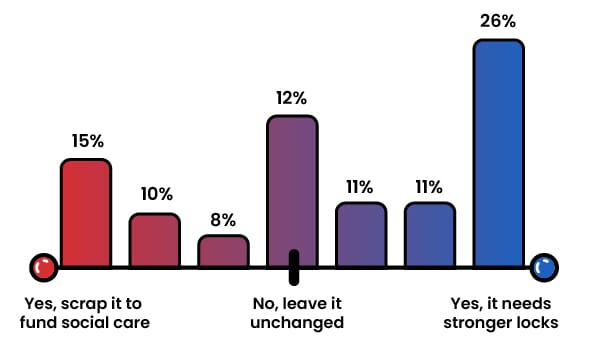
Reader Comments
openDemocracy receives so many carefully considered messages about our work that it seems a shame to keep them to ourselves.
These comments are edited for clarity, accuracy and length, and are not a reflection of openDemocracy's editorial position.
I respectfully disagree with the article's framing. In my opinion, anyone who deliberately commits criminal acts, destroys property and uses unlawful direct action to advance a political cause is employing terrorist tactics. These actions are not victimless. They are designed to create fear, intimidation and uncertainty among those targeted, including employees, contractors and others connected to the organisation.
When people are made to worry that political activists may attack their workplace, damage property or target them because of their association with a particular organisation, that goes beyond protest and becomes coercion.
While supporters may argue that the motives were noble, I do not believe that a cause justifies tactics intended to intimidate others or force political change through fear. For that reason, I regard those involved as terrorists rather than peaceful protesters.
Aston411 | I was sentenced as a terrorist. Now my barrister is on trial for defending me
This week in history
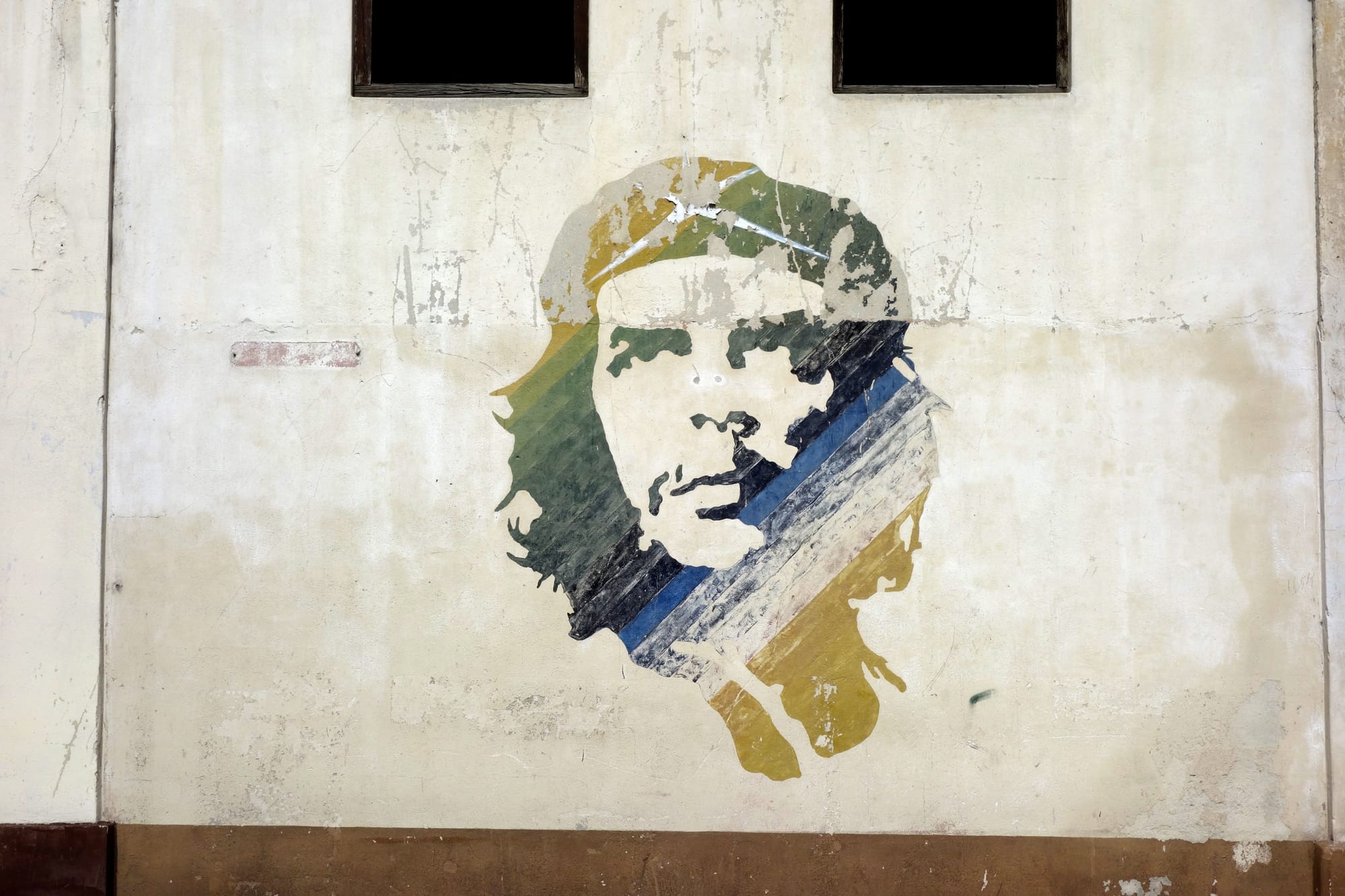
The Bolivian revolution and Che Guevara's death • 9 October 1967
Ernesto "Che" Guevara was captured and executed in Bolivia on 9 October 1967, having led a doomed guerrilla campaign to ignite revolution across Latin America. His death made him a global icon and led to his face being the most reproduced political image of the 20th century.
Our archive piece this week examines how the Zapatistas explicitly rejected the armed vanguard politics associated with Che, and why.
 Ké Huelga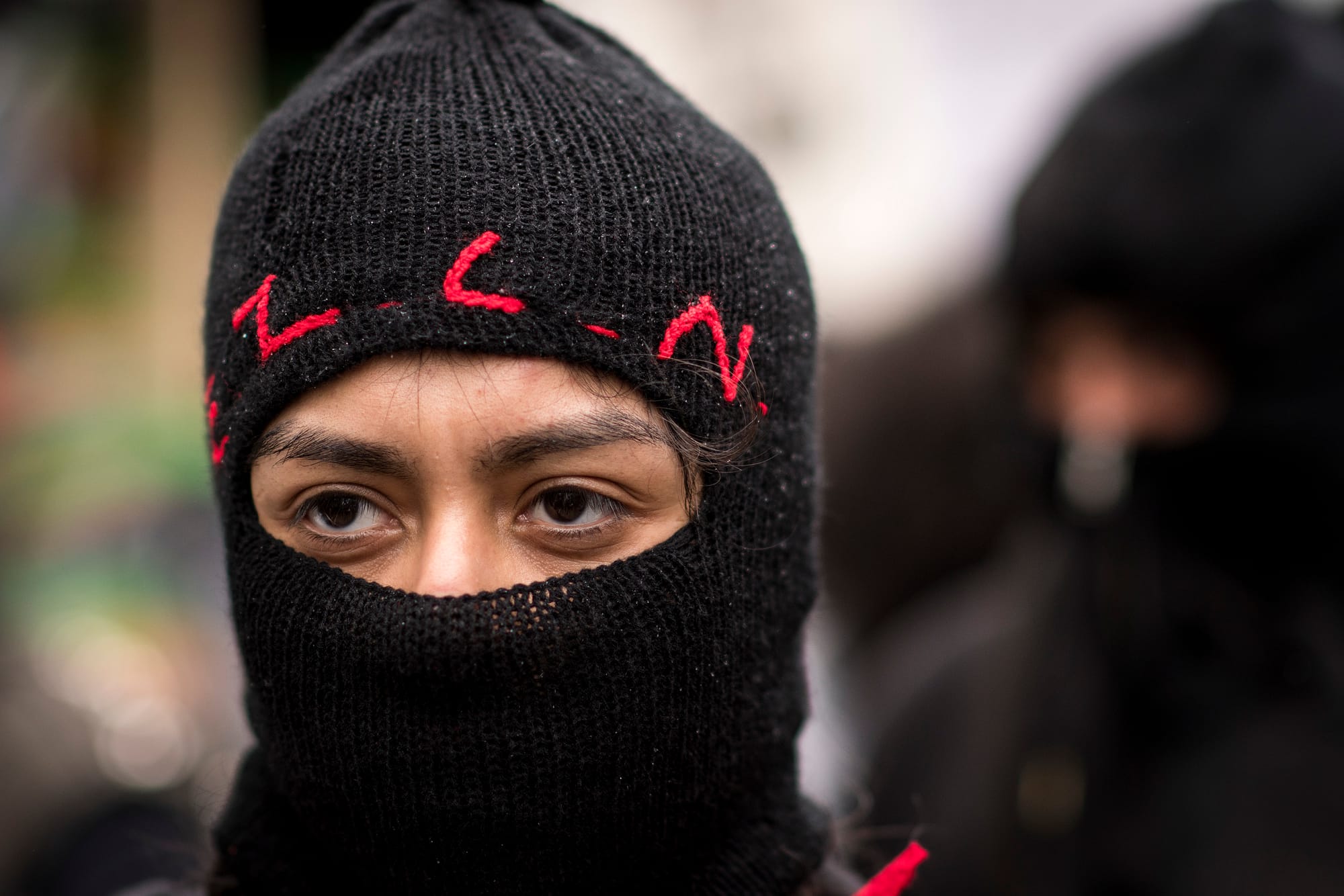

This article is published under a Creative Commons Attribution-NonCommercial 4.0 International licence. If you have any queries about republishing please contact us. Please check individual images for licensing details.


